
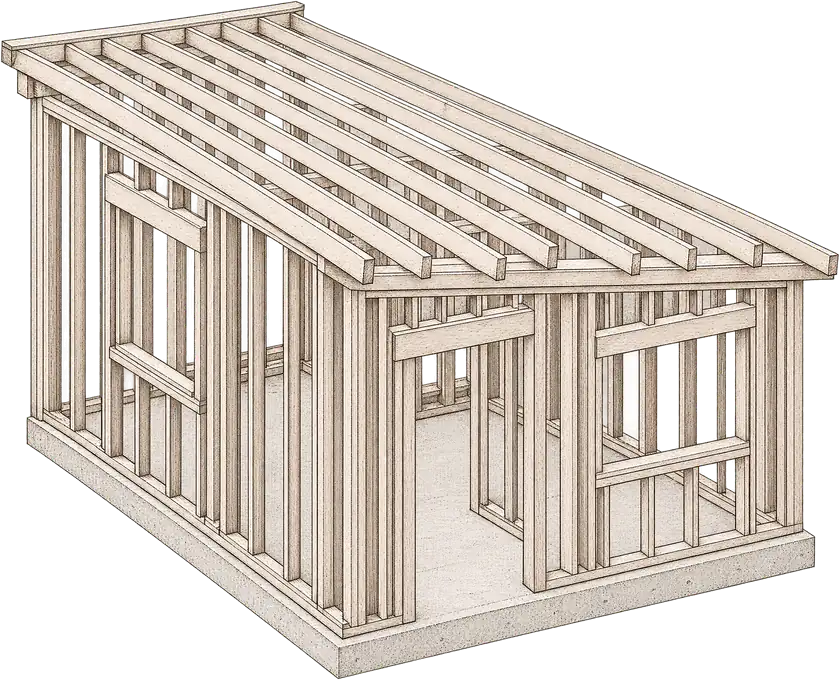
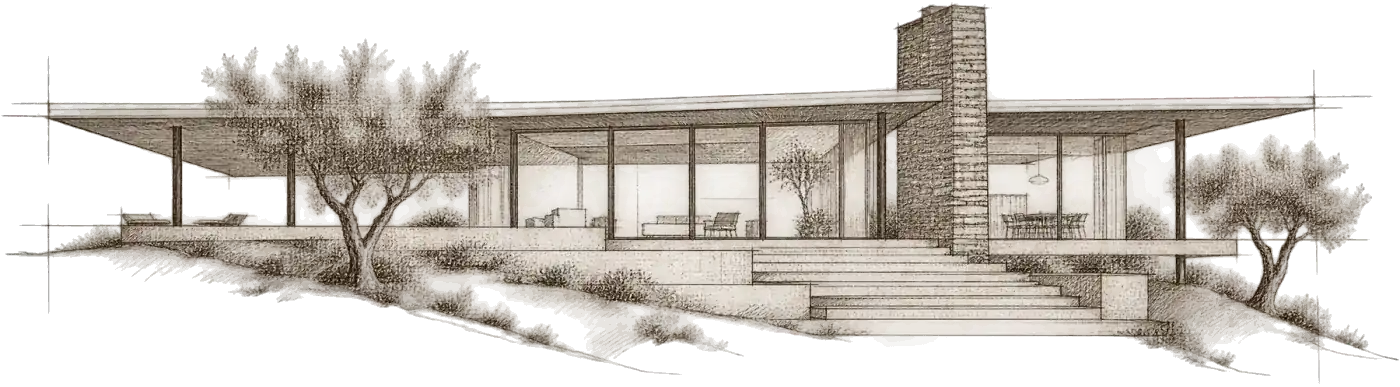
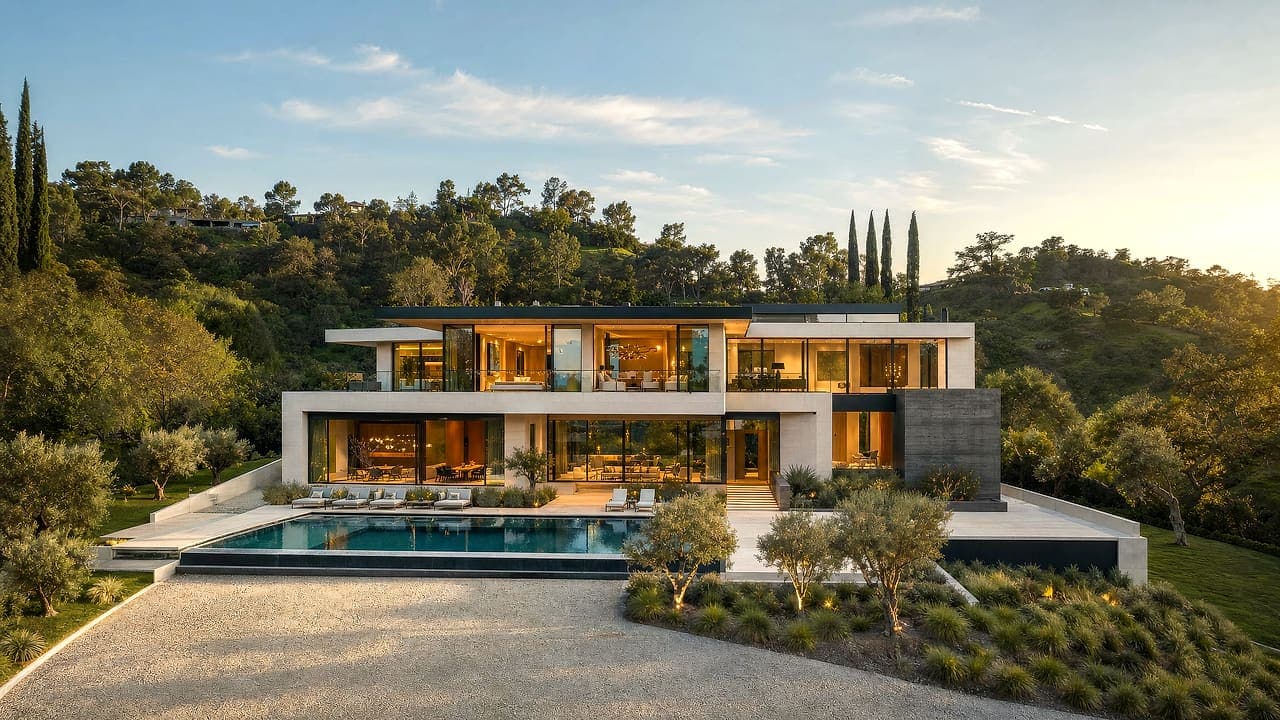
 Illustration
Building a new home in Malibu
Malibu sizes a new house with its own formula, reviews nearly every one under a coastal permit and asks most sites to treat their own wastewater. This page explains the numbers that set the house, the reviews that come before the building permit and how the fires of recent years have changed the way houses here are built.
The formula that sizes the house
Away from the beach, Malibu caps a new house with a total development square footage calculated from the net lot area, which leaves out streets, easements and slopes of 1:1 or steeper. The first half acre allows 17.7 percent of its area plus 1,000 square feet, the second half acre adds 10 percent, the next half acre 5 percent and the remainder 2 percent, and a lot of five acres or more stops at 11,172 square feet. A one-acre net lot comes to a little over 7,000 square feet. The first 1,000 square feet of a basement do not count, and the rest counts at half its area. Beachfront lots are exempt from the formula and are shaped instead by setbacks, stringlines and height.
Impermeable surfaces are capped as well: 45 percent of the net lot area on lots up to a quarter acre, 35 percent up to half an acre and 30 percent above that, to a maximum of 25,000 square feet. Driveways, walks, patios and pool decks count; the pool and spa themselves do not. Parcels with environmentally sensitive habitat can face tighter limits on both figures.
Height, story poles and lighting
The base height limit is 18 feet. With site plan review a house can rise to 24 feet with a flat roof or 28 feet with a pitched one, and many new Malibu houses take that route. Story poles are required for coastal development permits: they mark the proposed height and position, flagged at 18 feet and at each foot above, so neighbors and staff can see the house before it is approved, and for a new house the owner cannot certify the poles.
Outdoor lighting follows the Malibu Dark Sky Ordinance, in effect since October 2018. Fixtures are fully shielded and aimed down, with warm color temperatures, and newly approved construction has to comply from the start. It is simple when it is part of the lighting design and awkward to correct once fixtures are installed.
The coastal permit, septic and the ground
The whole city is in the coastal zone, and Malibu issues coastal development permits itself under the Local Coastal Program certified in 2002. In certain areas, such as land seaward of the first public road, a local decision can still go to the Coastal Commission on appeal. The coastal permit is where the planning questions are settled, from height and coverage to grading and habitat, before building plan check begins.
Most houses in Malibu treat their own wastewater on site, so building new usually means a new system designed for its bedrooms and fixtures and reviewed by the city's environmental health staff. Geology and soils reports are routine on hillside, canyon and bluff lots, and beachfront projects go through coastal engineering review. We bring the septic, geotechnical and civil engineers in before design, because the dispersal field and the foundation often decide where the house can sit.
Fire, salt air and how we work
Malibu has burned repeatedly: the Woolsey Fire in 2018, the Franklin Fire near Malibu Canyon in December 2024 and the Palisades Fire in January 2025 all destroyed homes in the city. The State rates every parcel in the city at its highest fire hazard level, so a new house is built to the California Wildland-Urban Interface Code, and LA County Fire reviews access, water supply and fuel modification around it. Rules for rebuilding after the recent fires have changed often, and we confirm the current path for any lot that lost a house.
We have not built in Malibu yet. Our related work is the Ocean Park Residence in Santa Monica, a renovation and second-story addition in coastal air, and the Woodrow Wilson Residence, a renovation on a Hollywood Hills slope. For a Malibu house we usually join the owner's architect and engineers early, price the site work as carefully as the house, and run the build under a fixed, line-item proposal with one project manager and weekly updates.
General information, checked against official sources in October 2026. Rules change and vary by parcel; we confirm what applies to your property before design begins.
Recent RODO projects
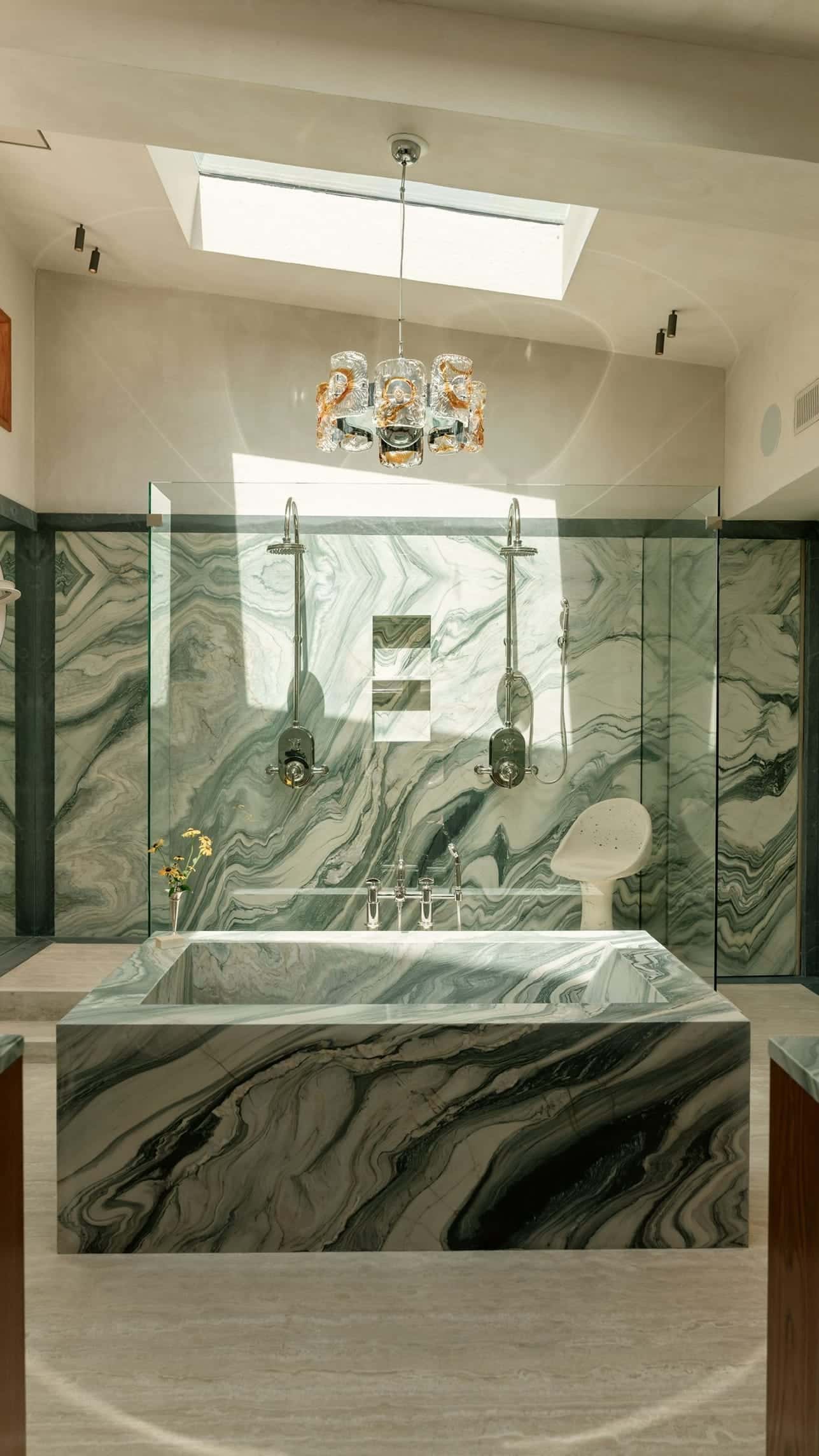
Completed projects in and around Los Angeles; each is labelled with where it was built.
New homes in Malibu: common questions
How large can a new house be on my Malibu lot?
Away from the beach, the city's total development square footage formula sets it from the net lot area, tapering as the lot gets larger and stopping at 11,172 square feet on lots of five acres or more. The first 1,000 square feet of a basement do not count.
How tall can a new Malibu home be?
18 feet by right, measured from natural or finished grade, whichever is lower. With site plan review, up to 24 feet with a flat roof or 28 feet with a pitched roof.
Do I need story poles?
Yes, for a coastal development permit. Poles mark the proposed height and position, flagged at 18 feet and at each foot above, and for a new house the owner cannot certify them.
Will a new house need a new septic system?
Usually. Most Malibu homes use onsite wastewater treatment, and a new house needs a system designed for its size and reviewed by the city's environmental health staff, which can shape where the house goes.
Does the square-footage formula apply to a beachfront lot?
No. Beachfront lots are exempt from the total development square footage formula. Their size is set instead by setbacks, stringlines, height and the coastal permit.
Keep reading
General information only, not legal advice. Building codes, zoning and permit rules change and vary by property; we confirm the current requirements for your home during design.
Custom Homes in Malibu?
What happens next
- 1Call or send the form
- 2Consultation & site visit
- 3A fixed, line-item proposal
 Dolev PopovichFounder & CEO
- License
- CA License #1100805 · Bonded & insured