
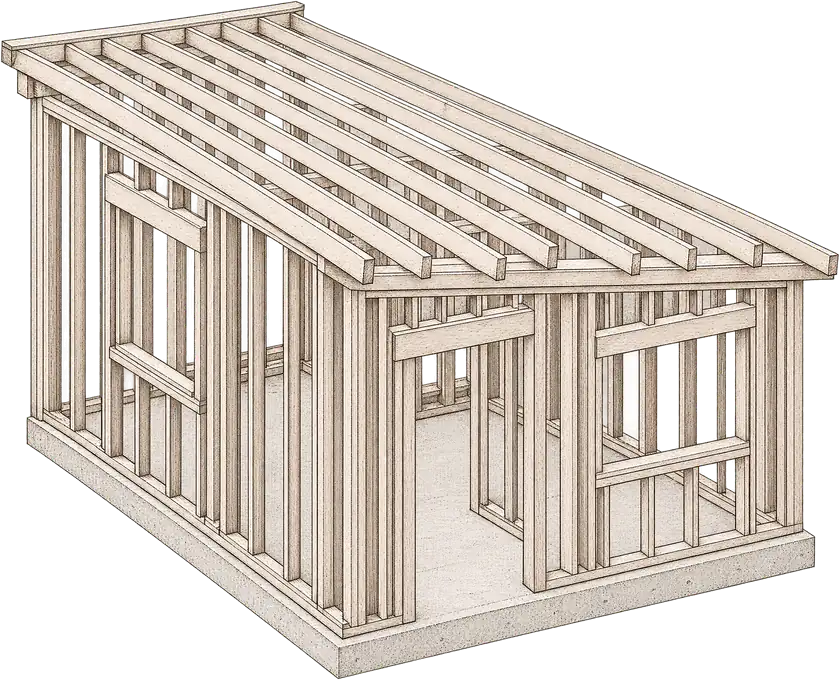
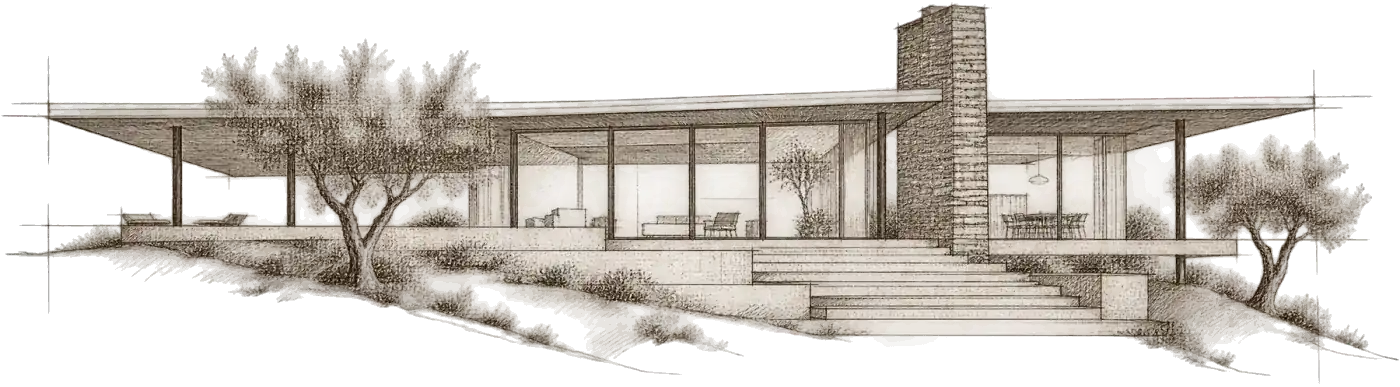
 Illustration
Rebuilding your Pacific Palisades home
Rebuilding after the January 2025 Palisades Fire is new construction with its own rules. This page explains the approval paths the City and State created, what they ask of you, and how we plan a rebuild from a cleared lot to a finished, fire-resilient home.
Where you start: a cleared, documented lot
CAL FIRE counts 6,845 structures destroyed and 975 damaged in the Palisades Fire. For most owners the first phase was debris removal: hazardous materials by the EPA, then ash, debris and the top layer of soil by the Army Corps of Engineers, or by a private contractor working under permit. Plans can be prepared while that work finishes, but a building permit is issued only after debris removal is complete.
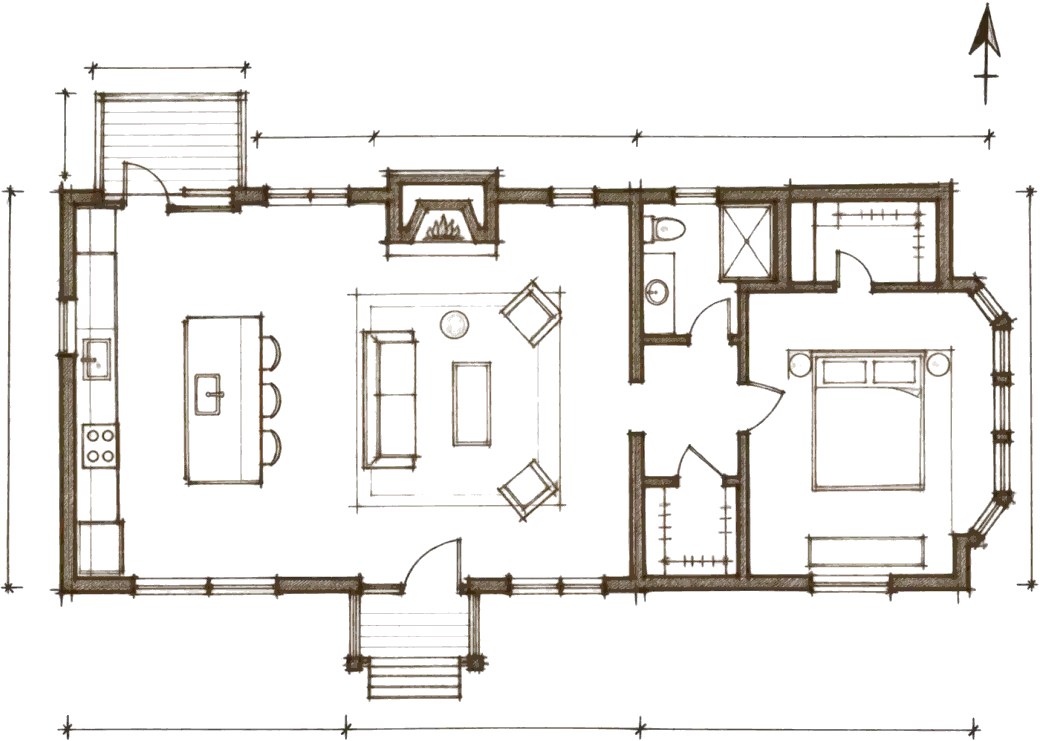
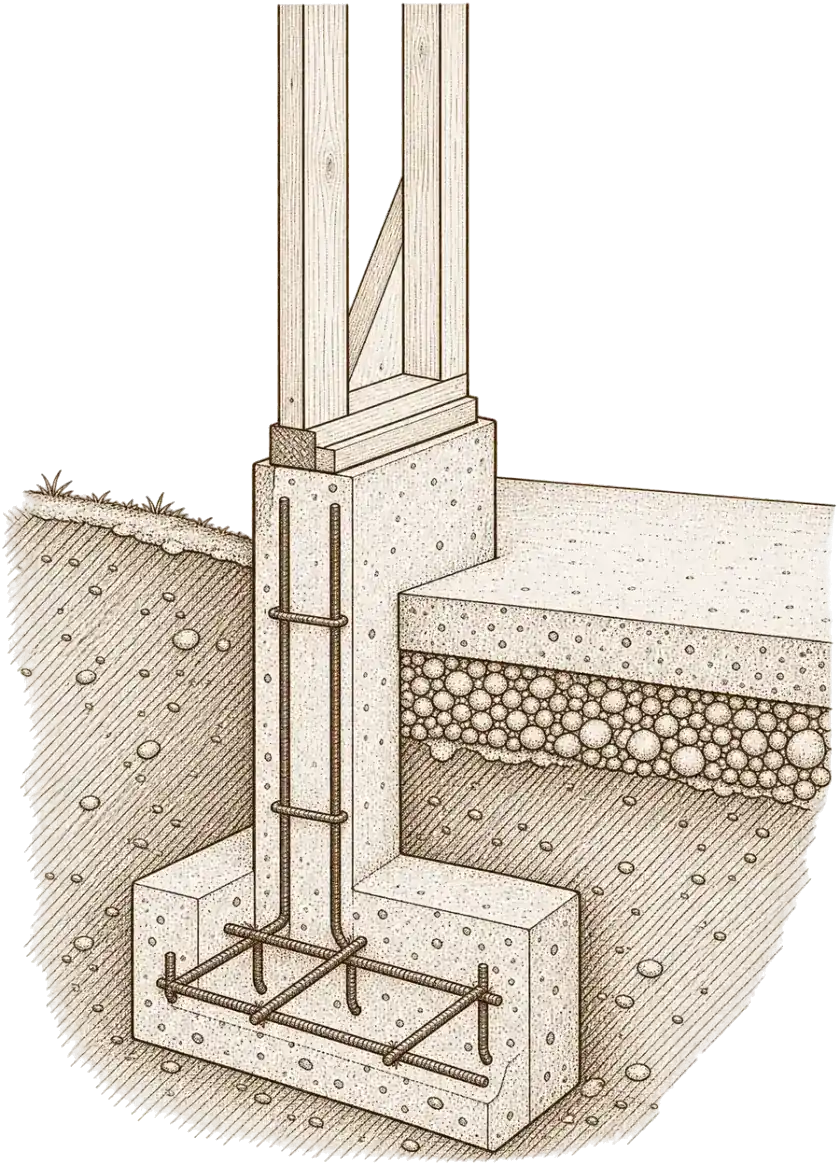
Before design, we document what is left. A new survey confirms the old footprint and height, which matter for the like-for-like path. Engineers assess whether surviving foundations, retaining walls and site utilities can be reused or must be replaced, and hillside or bluff lots get updated geology and soils work. That record becomes the basis for both the design and your insurance conversations.
Three paths: like-for-like, larger, or new
Mayor Bass's first emergency order created the like-for-like path: a home rebuilt in substantially the same location, no more than 110 percent of the previous footprint and height, is exempt from discretionary planning review, and existing nonconforming setbacks may stay. The Governor's orders suspended CEQA and Coastal Act permit requirements for the same kind of rebuild, and a January 2026 order reaffirmed those waivers.
Owners who want more than 110 percent have another route in the coastal zone. A July 2025 order lets single-family rebuilds that exceed 110 percent but comply with current zoning skip coastal, CEQA and Mello Act review if they meet conditions, including canyon and coastal-bluff setbacks and a biological resources screening. A completely new design that does not fit either path follows the standard review process. We lay the options side by side with their trade-offs before your architect commits to a plan.
Fees, filing and the City's recovery rules
The City's One-Stop Rebuilding Center for Palisades recovery is at the LADBS West LA office, 1828 Sawtelle Boulevard, and applications can also be filed online. In 2026 the City adopted a permit-fee waiver for owners of record on January 7, 2025, covering rebuilds up to 110 percent of the original floor area; owners who sell before a certificate of occupancy must repay it. We confirm eligibility with LADBS for your property.
Other emergency measures matter too. The City's all-electric requirement for new homes was suspended for fire rebuilds and replaced with incentives for owners who choose all-electric. SB 9 lot splits are suspended in the Palisades fire zone under a 2025 executive order. Parcels on the unincorporated or Malibu side of the burn area follow Los Angeles County or Malibu rules instead. The orders continue to change, so we check the current version at the start of every project.
Building to the new wildfire code
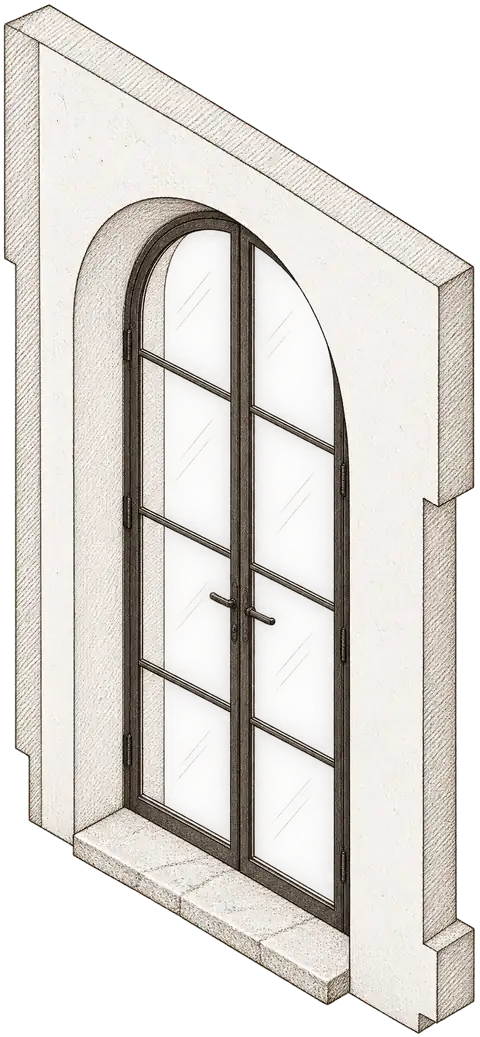
Every rebuild must meet the current building and fire codes, whatever its planning path. Since January 1, 2026, California's wildfire construction requirements live in their own code, the California Wildland-Urban Interface Code. In practice that means a Class A roof assembly, vents that resist ember intrusion, noncombustible or ignition-resistant siding, tempered or dual-pane windows, protected eaves and decks, and materials listed by the State Fire Marshal.
The State Board of Forestry approved "Zone 0" rules for the first five feet around a home in August 2026, withdrew them for corrections and adopted a revised version in November 2026; they were not yet in force when this page was written. We design that zone as ember-resistant anyway: noncombustible paving against the house, no wood fences tying into the walls and planting set back from the foundation. It costs little at the design stage and is hard to add later.
General information, checked against official sources in October 2026. Rules change and vary by parcel; we confirm what applies to your property before design begins.
Recent RODO projects
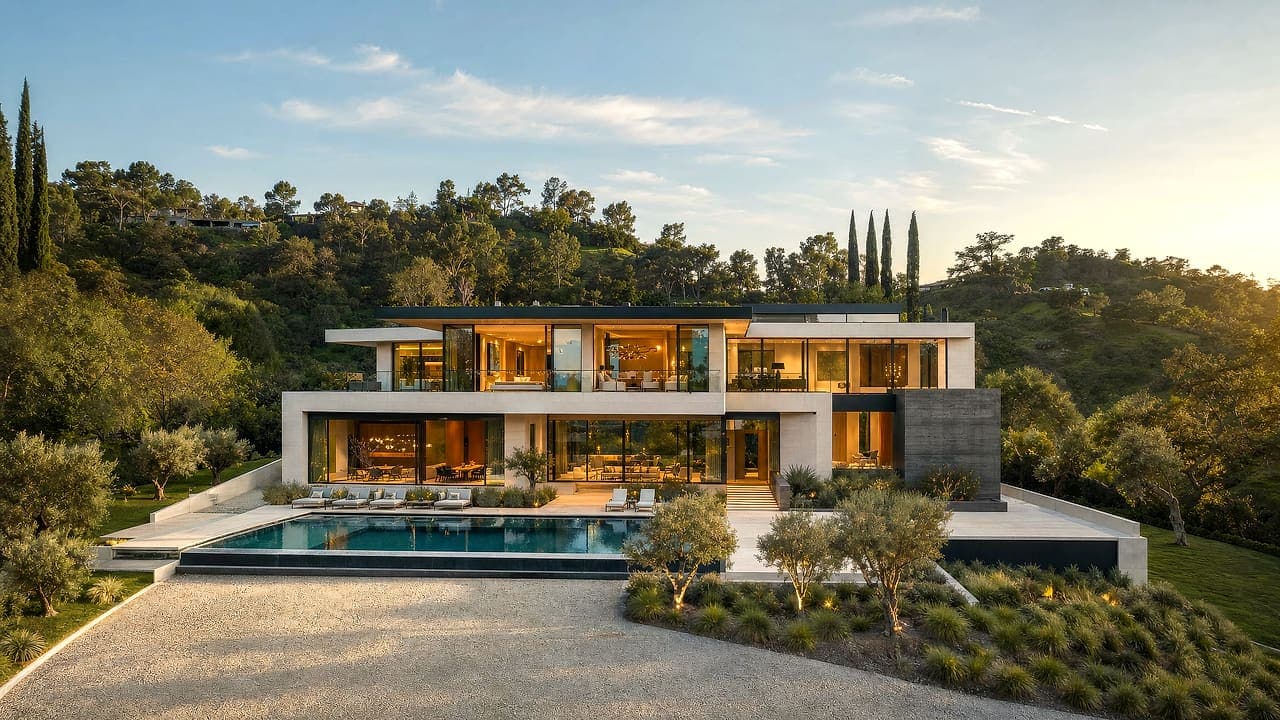
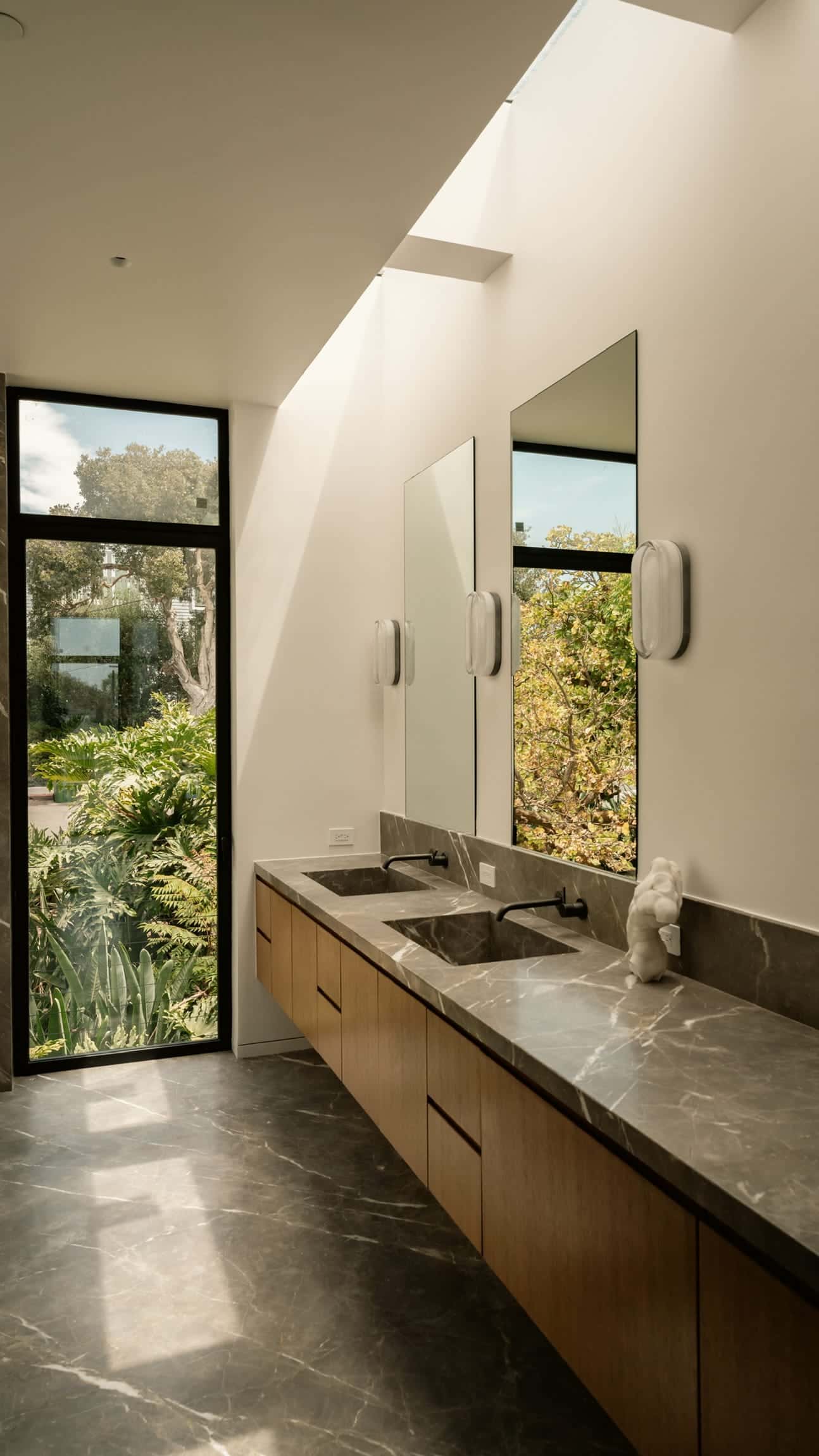
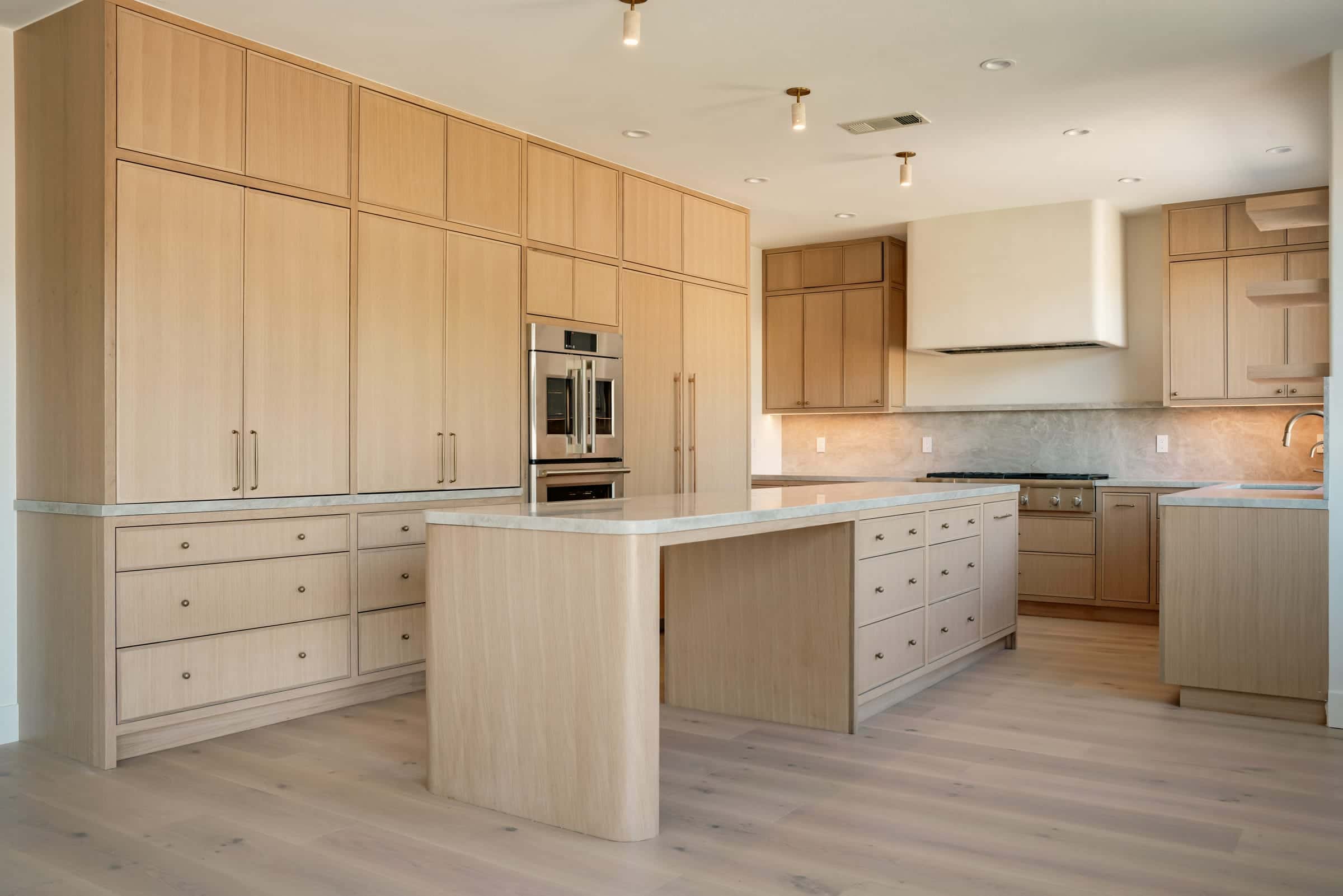
Completed projects in and around Los Angeles; each is labelled with where it was built.
Fire rebuilds in Pacific Palisades: common questions
What counts as a like-for-like rebuild in the Palisades?
A home rebuilt in substantially the same location, no larger than 110 percent of the previous footprint and height. It is exempt from discretionary planning review, though it must meet current building and fire codes.
Can I rebuild larger than my previous home?
Yes. In the coastal zone, a zoning-compliant single-family rebuild above 110 percent can avoid coastal, CEQA and Mello Act review if it meets the conditions in the Mayor's July 2025 order. Otherwise it follows the standard review process.
Do I need a Coastal Development Permit to rebuild?
Not for a qualifying like-for-like rebuild while the Governor's waivers remain in effect, and not for many zoning-compliant larger rebuilds under the City's order. We confirm the current status for your address.
Are permit fees waived for Palisades rebuilds?
The City adopted a fee waiver in 2026 for owners of record on January 7, 2025, for rebuilds up to 110 percent of the original floor area. Selling before the certificate of occupancy means repaying it.
Can I start design before debris removal is finished?
Yes. Survey, design and plan preparation can run in parallel; the building permit is issued once debris removal is complete.
Keep reading
Custom Homes elsewhere in Los Angeles
General information only, not legal advice. Building codes, zoning and permit rules change and vary by property; we confirm the current requirements for your home during design.
Custom Homes in Pacific Palisades?
What happens next
- 1Call or send the form
- 2Consultation & site visit
- 3A fixed, line-item proposal
 Dolev PopovichFounder & CEO
- License
- CA License #1100805 · Bonded & insured