
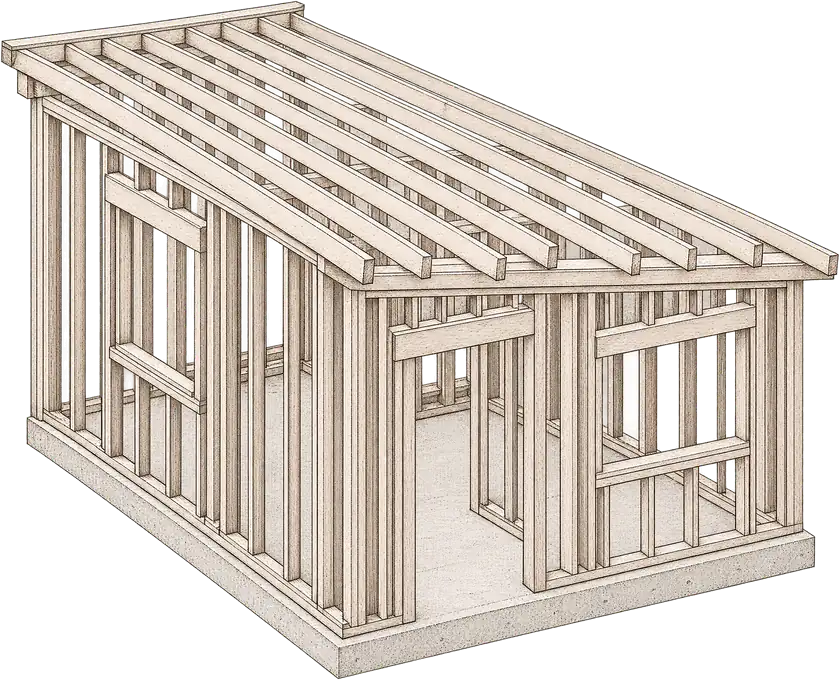
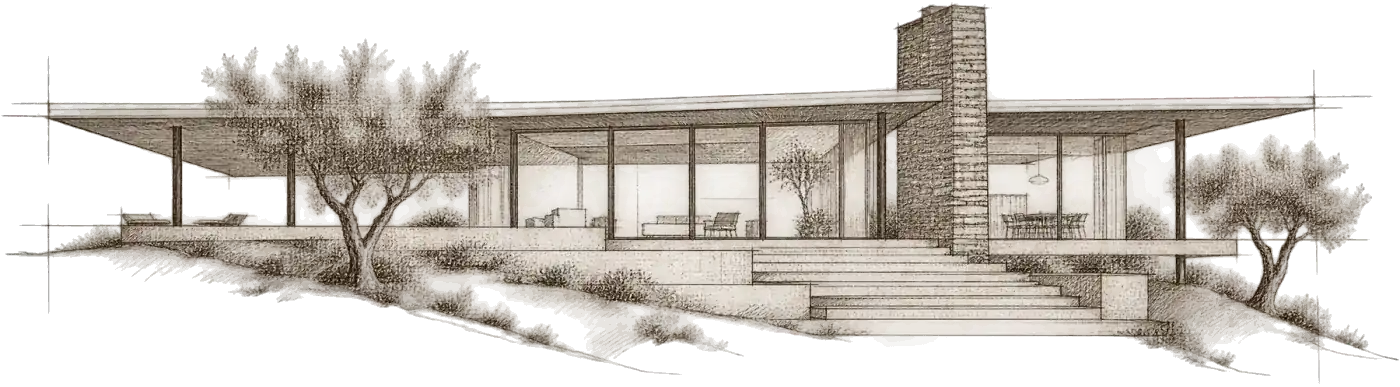
 Illustration
Rebuilding after the Los Angeles fires
Who approves your rebuild depends on where the lot sits: the City of Los Angeles for most of Pacific Palisades, Los Angeles County for Altadena and other unincorporated areas, and the City of Malibu for homes inside its limits. The first decisions are the same in all three: confirm the debris sign-off, document the house you lost, and choose between rebuilding what stood there or designing something new. RODO Development Inc. is a licensed general contractor that plans and builds these homes from a cleared lot, with our own design team or with your architect.
What every 2025 rebuild shares, and what changes by jurisdiction
The Palisades and Eaton fires of January 2025 destroyed 6,845 and 9,419 structures, according to CAL FIRE, and the Franklin Fire had already burned homes in Malibu in December 2024. Some rules apply across the burn areas. The Governor's executive orders lifted CEQA and Coastal Act permitting for a home rebuilt in substantially the same place at no more than 110 percent of its former footprint and height, and a July 2025 order suspended SB 9 lot splits inside the Palisades and Eaton fire boundaries unless the local agency opts back in. Whatever path you take, the new house is built to today's building and fire codes, and construction waits until the debris-removal work on the lot has been signed off.
The details then split three ways. In the City of Los Angeles, LADBS and City Planning handle Palisades rebuilds under the Mayor's emergency orders, with a One-Stop Rebuilding Center at 1828 Sawtelle Boulevard and a permitting support center in the Palisades at 16925 Marquez Avenue. Los Angeles County Public Works and Regional Planning permit Altadena through the One-Stop center at 464 West Woodbury Road, and unincorporated parcels near Malibu through the Calabasas center at 27001 Agoura Road. The City of Malibu runs its own planning, building and coastal permits from its Rebuild Center at 23805 Stuart Ranch Road, and most of its lots also need a septic system reviewed. Our local pages cover each one in depth.
From a cleared lot to a plan you can submit
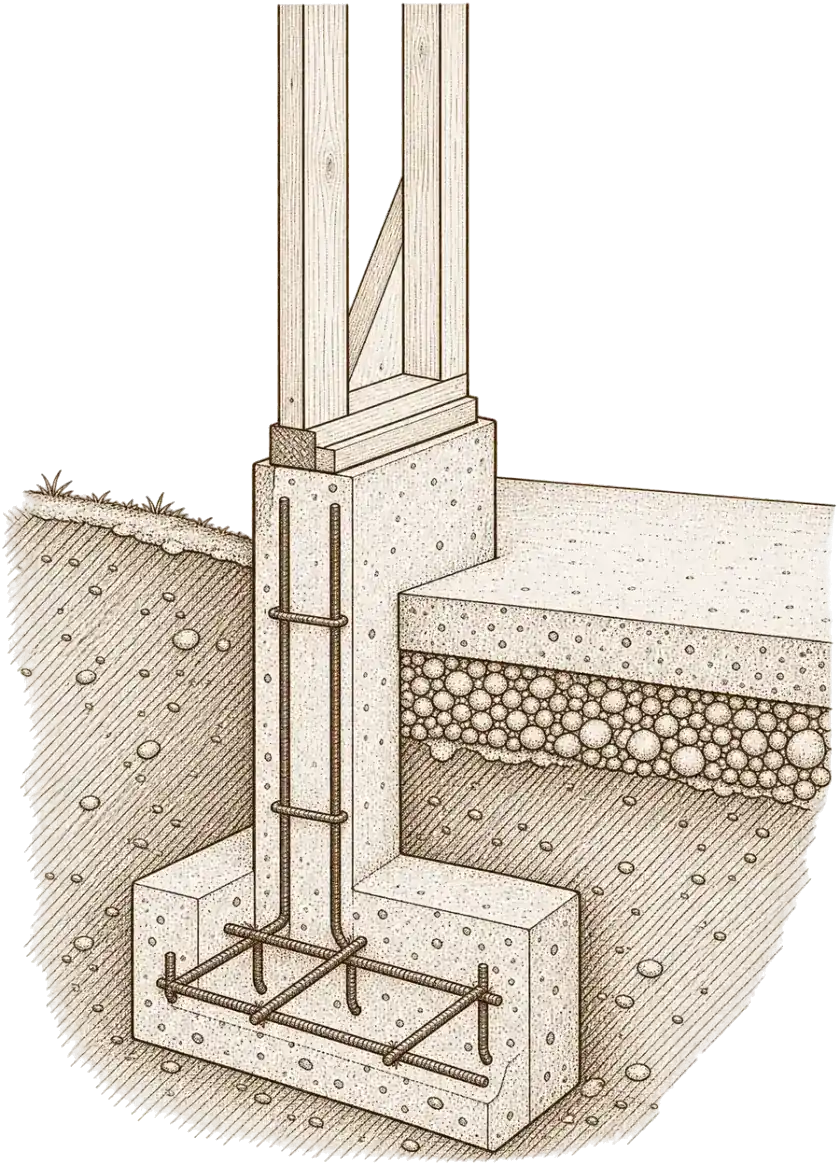
Once the debris sign-off is in hand, the first job is a boundary and topographic survey, followed by a record of what was there before. Old permits, certificates of occupancy, County Assessor data, photographs and aerial LiDAR can all establish the former footprint and height; in the City of Los Angeles, LADBS keeps plans for many houses built after 1978 and releases copies to the owner through an affidavit. A geotechnical engineer then checks the soils, and on slopes the geology, while a structural engineer decides whether a surviving foundation, retaining wall or driveway can be reused. If your street has CC&Rs or an HOA, read them now, because the City does not enforce them and a permit does not mean you comply.
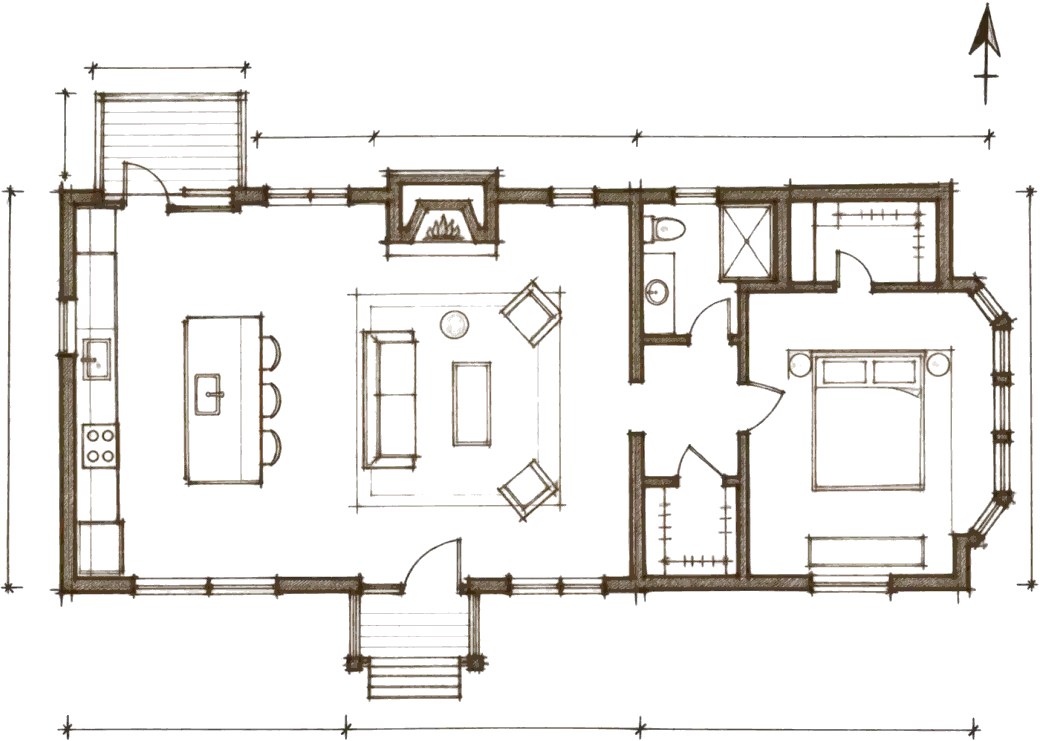
With that record, you can compare three broad paths. A like-for-like rebuild stays close to the old size and location and avoids most zoning questions; in the City it can still add a basement or an ADU and shift the house on the lot. A larger home is possible if it meets current zoning, and in some areas a special path keeps that review short, such as the City's zoning-compliant option in the Palisades coastal zone. A completely new design goes through the normal review for its address. We sketch the house you want against each path before your designer commits to one.
Insurance records, pricing and how we work
We are builders, not insurance advisers or attorneys, so we stay on the construction side of a claim. What we can give you is a written scope of work and a line-item proposal that an adjuster can read line by line, with allowances labelled. We can also list the items current code requires that your old house did not have, such as a Class A roof, ember-resistant vents, tempered glazing, fire sprinklers where the County requires them, or new electrical service. That list helps you ask your insurer how your building code upgrade coverage, often called ordinance or law coverage, applies to the rebuild. How long you have to claim full replacement cost and additional living expenses after a declared emergency is set by state law, and the California Department of Insurance explains it.
RODO Development Inc. works in two ways: as a design-build team that carries the design, engineering and construction, or as the builder alongside the architect you already have. Either way, a fixed, line-item proposal comes before any construction, and a dedicated project manager sends you a written update every week. None of the projects on this site is a fire rebuild; the closest to this work are the Woodrow Wilson Residence, a renovation on a Hollywood Hills slope, and the Ocean Park Residence in Santa Monica, a renovation and second-story addition.
Power, gas and water for the new house
In the City of Los Angeles, the Mayor's first emergency order exempted eligible like-for-like rebuilds from the City's all-electric rule for new buildings, so gas service can return. A later order, in March 2025, asked LADBS to propose a faster permit path for owners who rebuild all-electric and LADWP to review incentives for it. Los Angeles County allows gas but asks for electric-ready and solar-ready construction. Whichever you choose, deciding early on heat pumps, induction cooking, solar and batteries shapes the panel size, the roof and the mechanical spaces.
Each utility has its own steps. In the Palisades, LADWP requires a meter panel that can take either overhead or underground service, up to 400 amps, plus a buried 3-inch conduit running to the front lot line, so the house is ready when the street's lines go underground. In Altadena and other unincorporated County areas, the County's rebuild permit needs an application number from Southern California Edison and, where gas returns, a SoCalGas reinstatement. Water supply and hydrant flow are checked by the fire department before the permit, which matters on hillside streets and in Malibu canyons.
Fire code, Zone 0 and a more fire-resistant house
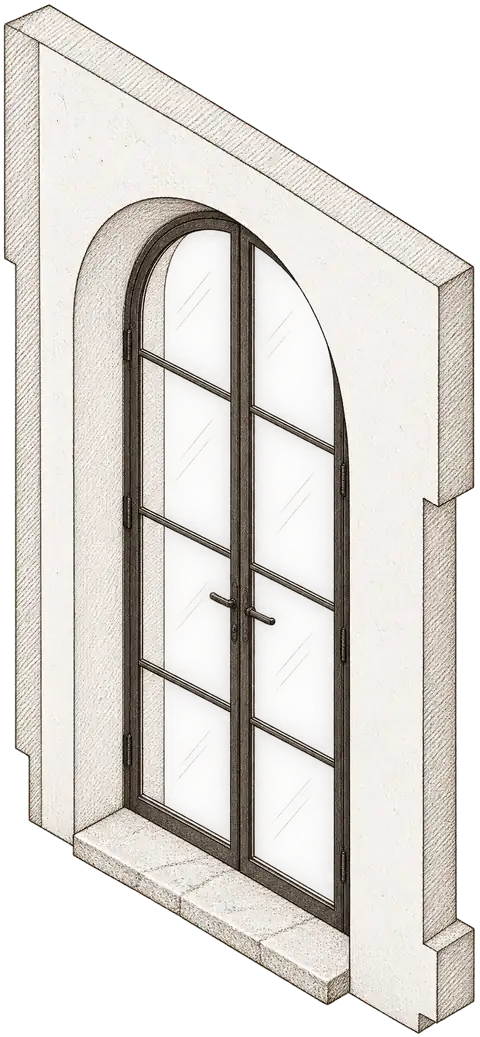
Since January 1, 2026, California's wildfire construction rules have been their own code, the California Wildland-Urban Interface Code, and they apply to rebuilds in the State's fire hazard severity zones. They call for a Class A roof assembly, vents that resist embers, ignition-resistant or noncombustible exterior walls, tempered glazing and protected eaves, decks and attached structures. The "Zone 0" rules for the first five feet around a house are still pending: the State Board of Forestry adopted them in August 2026, pulled them back for corrections in September and adopted a revised version on November 5, 2026, and as of late November they had not taken effect. Once they do, they apply to new construction first.
Code is the floor. A fire-resistant house goes further in the places where homes usually catch: a metal or tile roof with sealed ridges and covered gutters, boxed eaves, noncombustible decking, both panes of every window tempered, and a first five feet of gravel, concrete or pavers with no wood fence touching the wall. Interior fire sprinklers are worth considering where they are not already required, and a garage door with tight seals keeps embers out of the most cluttered room in the house. Most of these choices cost little when they are drawn into the plans and much more once the house is framed.
General information, checked against official sources in October 2026. Rules change and vary by parcel; we confirm what applies to your property before design begins.
Recent RODO projects
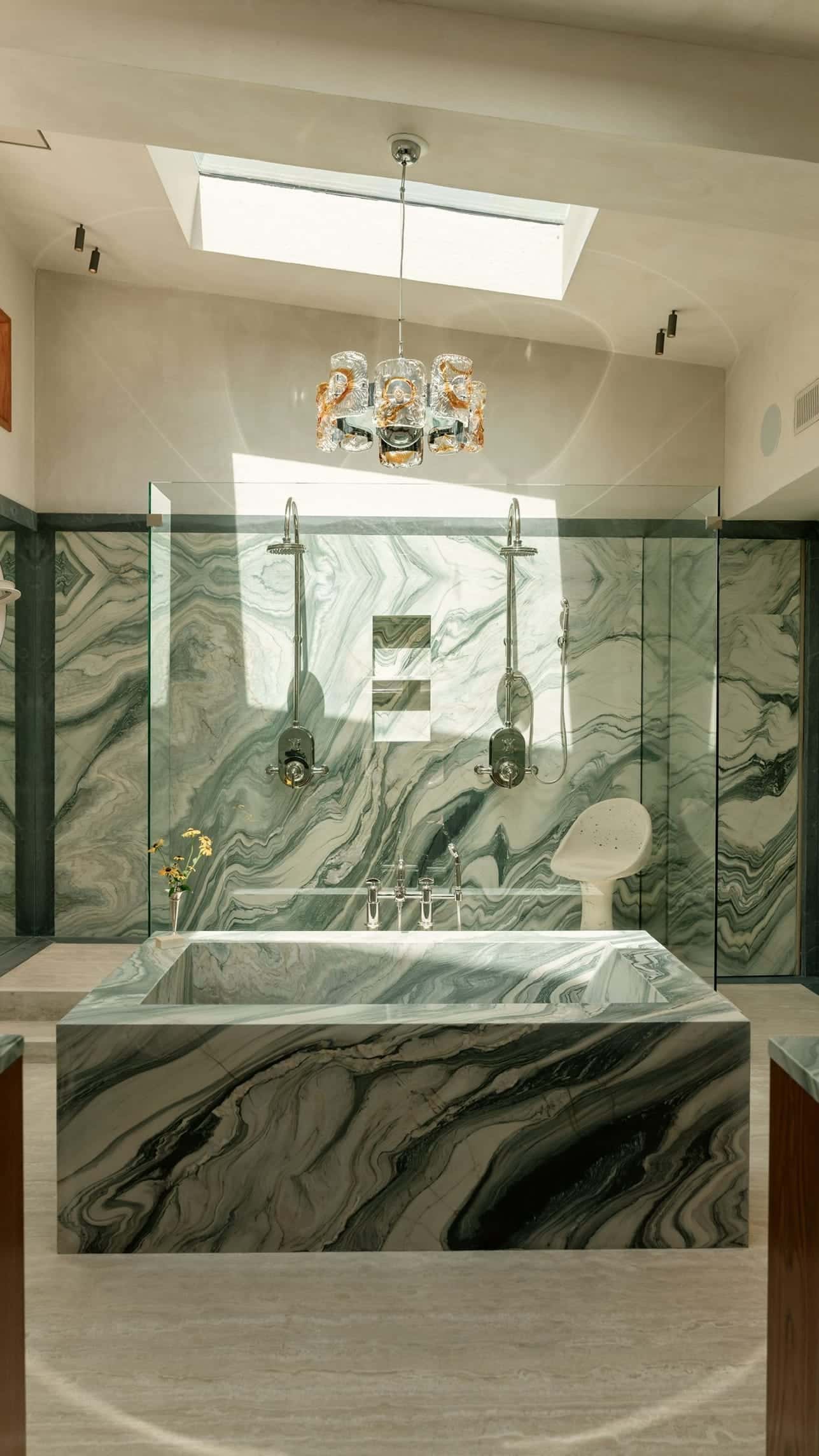
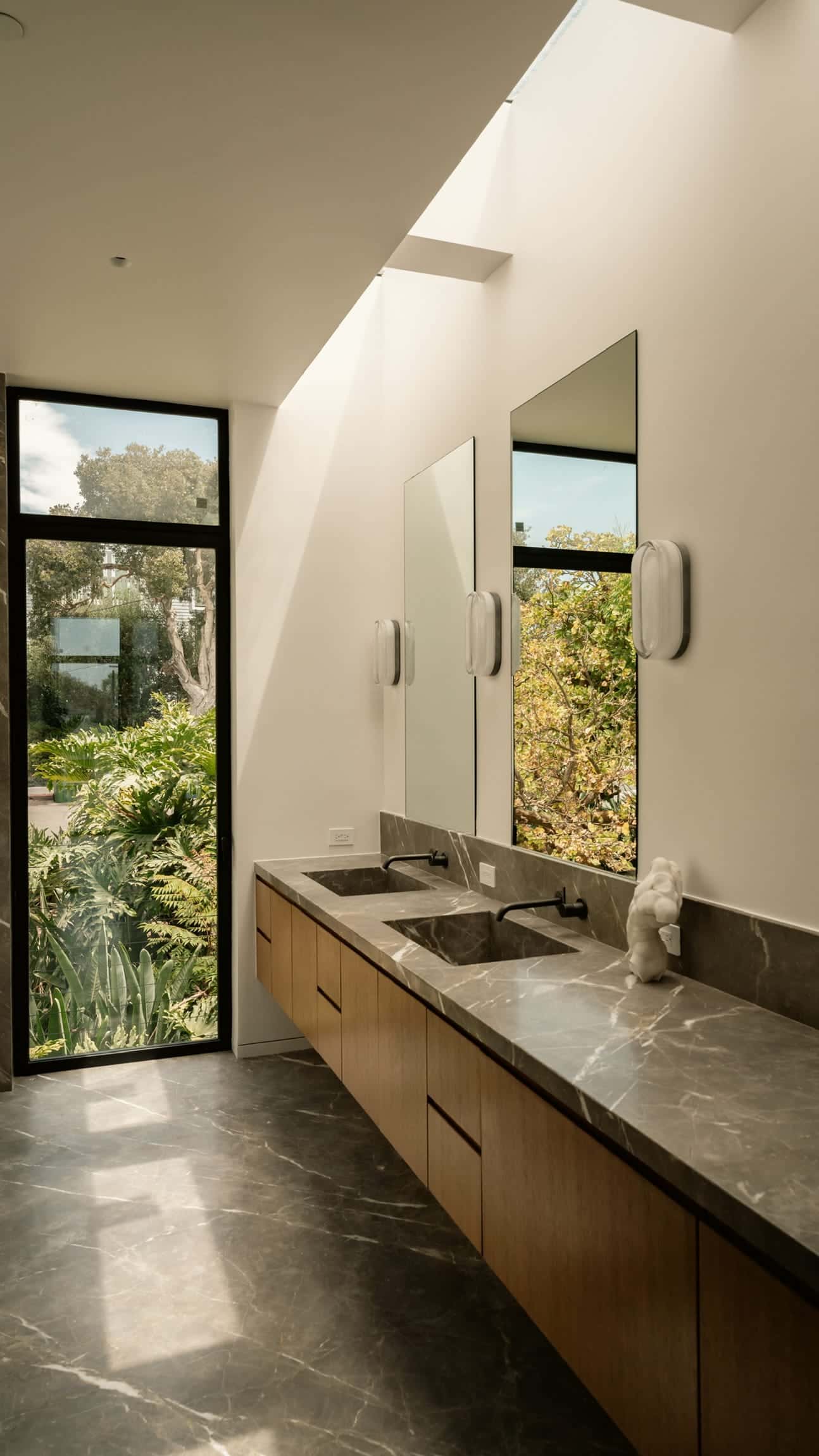
Completed projects in and around Los Angeles; each is labelled with where it was built.
Fire rebuilds in Los Angeles: common questions
Who issues the permit for my fire rebuild?
It depends on the parcel. The City of Los Angeles (LADBS and City Planning) covers most of Pacific Palisades, Altadena and other unincorporated areas are Los Angeles County, and homes inside Malibu's limits are permitted by the City of Malibu. Your property tax bill or the County's parcel map confirms which one you are in.
What counts as a like-for-like rebuild?
Each agency defines it differently. The City of Los Angeles allows up to 110 percent of the old footprint and height, Los Angeles County allows an extra 10 percent or 200 square feet in the Eaton Fire area, whichever is greater, and Malibu applies the Governor's 110 percent rule to Palisades Fire homes and its own limit of 10 percent more floor area, height or bulk to Franklin Fire homes. All require roughly the same location and current building and fire codes.
Can I build a larger house than the one I lost?
Usually, if the new design meets current zoning. That brings in today's setbacks, height limits and floor area rules, and in coastal areas it can bring coastal review. The Palisades has a streamlined option for zoning-compliant single-family homes in the coastal zone.
Does a like-for-like rebuild have to meet the new wildfire code?
Yes. A like-for-like rebuild keeps its size and position, not its old construction. In a fire hazard severity zone it is built to the 2025 California Wildland-Urban Interface Code, in force since January 1, 2026.
Can you help with my insurance claim?
We can document the construction side: a written scope, a line-item proposal your adjuster can review, and a list of the code upgrades the new house needs. Questions about coverage, limits or disputes belong with your insurer, a licensed public adjuster or an attorney.
Do I need my own architect, or can you design the house?
Either works. Our design team can take the house from survey to permit set, or we can join your architect early to price the drawings and plan the build. In both cases you get one fixed, line-item proposal before construction starts.
Keep reading
Rebuilding by area
General information only, not legal advice. Building codes, zoning and permit rules change and vary by property; we confirm the current requirements for your home during design.
Custom Homes in Los Angeles?
What happens next
- 1Call or send the form
- 2Consultation & site visit
- 3A fixed, line-item proposal
 Dolev PopovichFounder & CEO
- License
- CA License #1100805 · Bonded & insured