
Home additions & second stories in Santa Monica
RODO Development Inc. is a licensed design-build contractor that builds home additions and second stories in Santa Monica, where our Ocean Park Residence is a complete renovation with a new second story. Santa Monica writes its own single-family code, and this page explains how it shapes an addition, from the height envelope to the coastal zone and historic review.
A code that favors adding on
Santa Monica's single-family code deliberately favors keeping an existing house. A project that adds to a house without demolishing it is allowed more floor area than a new house on the same lot, and additions get some flexibility on setbacks and stepbacks. For an owner with a sound Craftsman bungalow in Sunset Park or a traditional house north of Montana, that difference often makes an addition the better route than starting over.
Santa Monica is its own city, with its own zoning code, plan check and inspectors, separate from the City of Los Angeles. Applications and drawings are submitted electronically, and the Permit Services Center on Main Street handles questions and appointments. We prepare the drawings and calculations, answer plan-check comments and meet the inspectors through final.
How a second story fits the R1 envelope
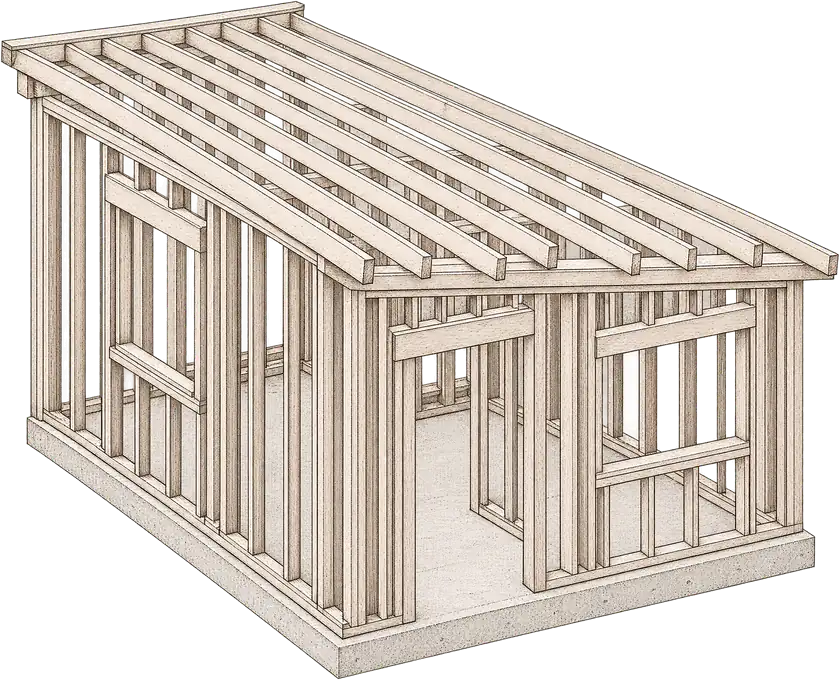
On most single-family parcels the code allows two stories and 28 feet, with exterior walls held to 23 feet; gables and dormers can rise above that only where the upper story steps back. From 23 feet at the minimum side setback, a 45-degree daylight plane slopes inward, and the second story must step back from the front and sides by set shares of the parcel's depth and width. The result is an upper floor that sits inside the lower one, and resolving that is the main design task for a Santa Monica second story.
Setbacks are 20 feet at the front unless the city's districting map says otherwise, 15 feet at the rear, and side yards tied to lot width, with a larger combined side yard for two-story houses on wider lots. Upper-floor balconies and decks are each capped at 3 percent of the parcel or 300 square feet, whichever is less, and larger rear decks are set in from the side lines for privacy. We test the addition against each of these limits before the floor plan is fixed.
The coastal zone and historic review
Parts of Santa Monica lie in the California Coastal Zone. Improvements to an existing single-family house are generally exempt from a coastal development permit, but additions and some exterior changes can need one, and in Santa Monica those permits come from the Coastal Commission rather than the city. Near the beach, we check the coastal zone line for your parcel before design, so the permit path is known from the first meeting.
The city also has designated landmarks, historic districts such as the Third Street Neighborhood and the 11th Street Bungalow district, and a Landmarks Commission that can review significant changes to older homes. An addition on a house in one of those layers is shaped as much by how it sits beside the original as by the zoning numbers, so we confirm the property's status before an architect draws the new rooms.
Building it, and our Santa Monica work
A second story means opening the roof, so before design our structural engineer checks whether the existing foundation and walls can carry a new floor and where new footings and shear walls are needed. Lots are compact and neighbors are close, and the city bars construction before 8 a.m. and after 6 p.m. on weekdays, so deliveries and the structural work are planned around those hours. Near the water we specify corrosion-resistant hardware and window and door systems suited to salt air.
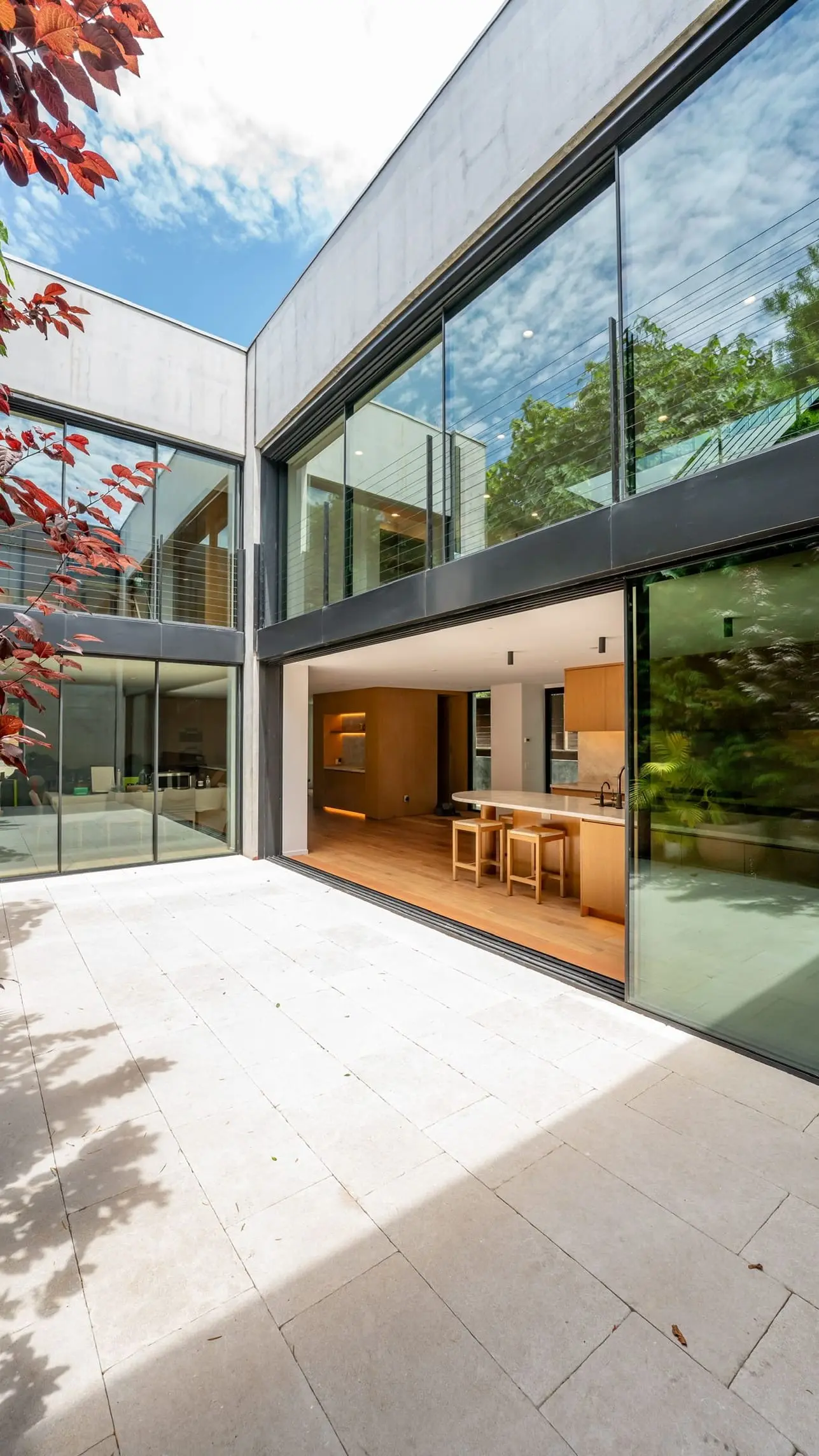
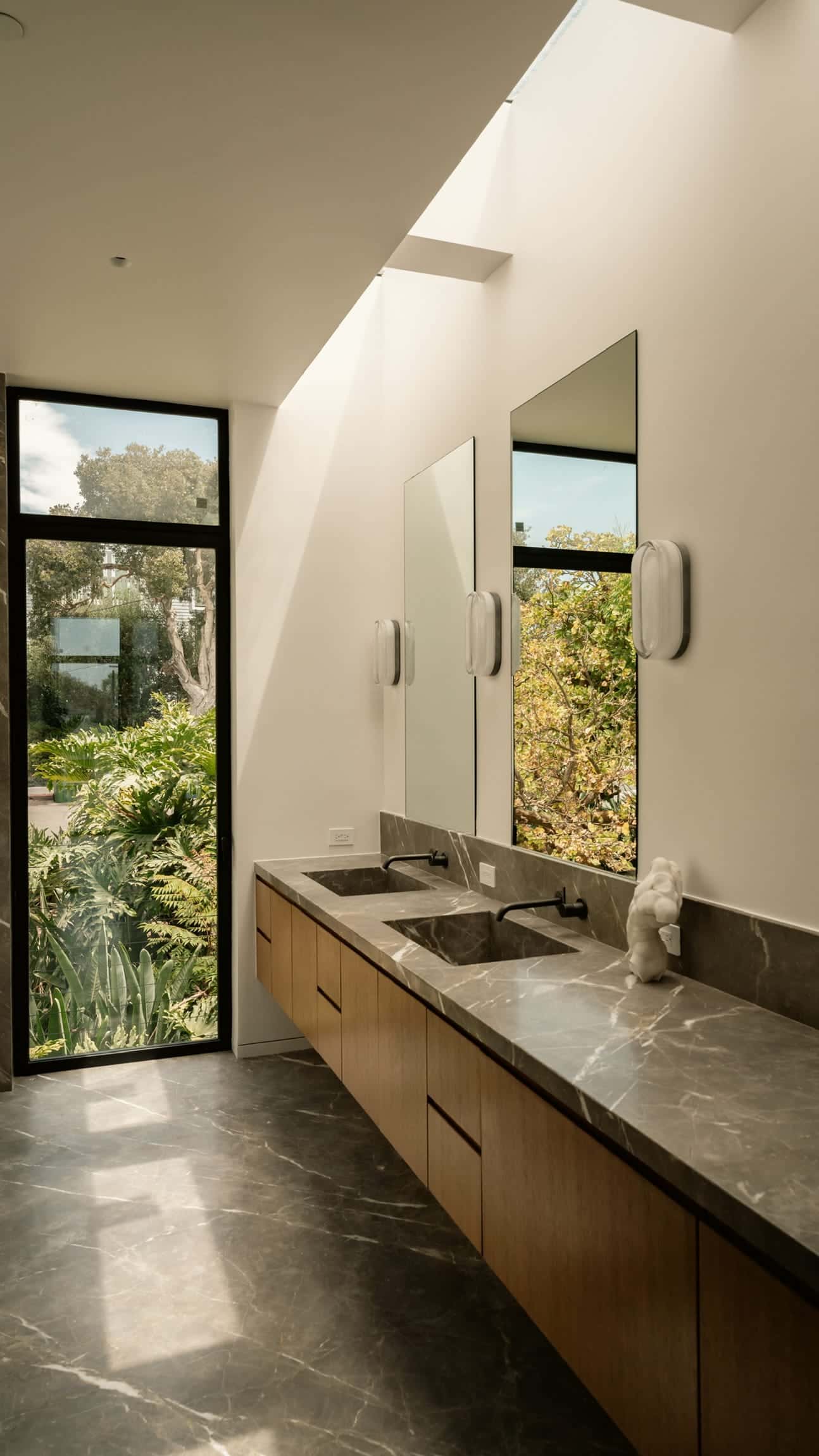
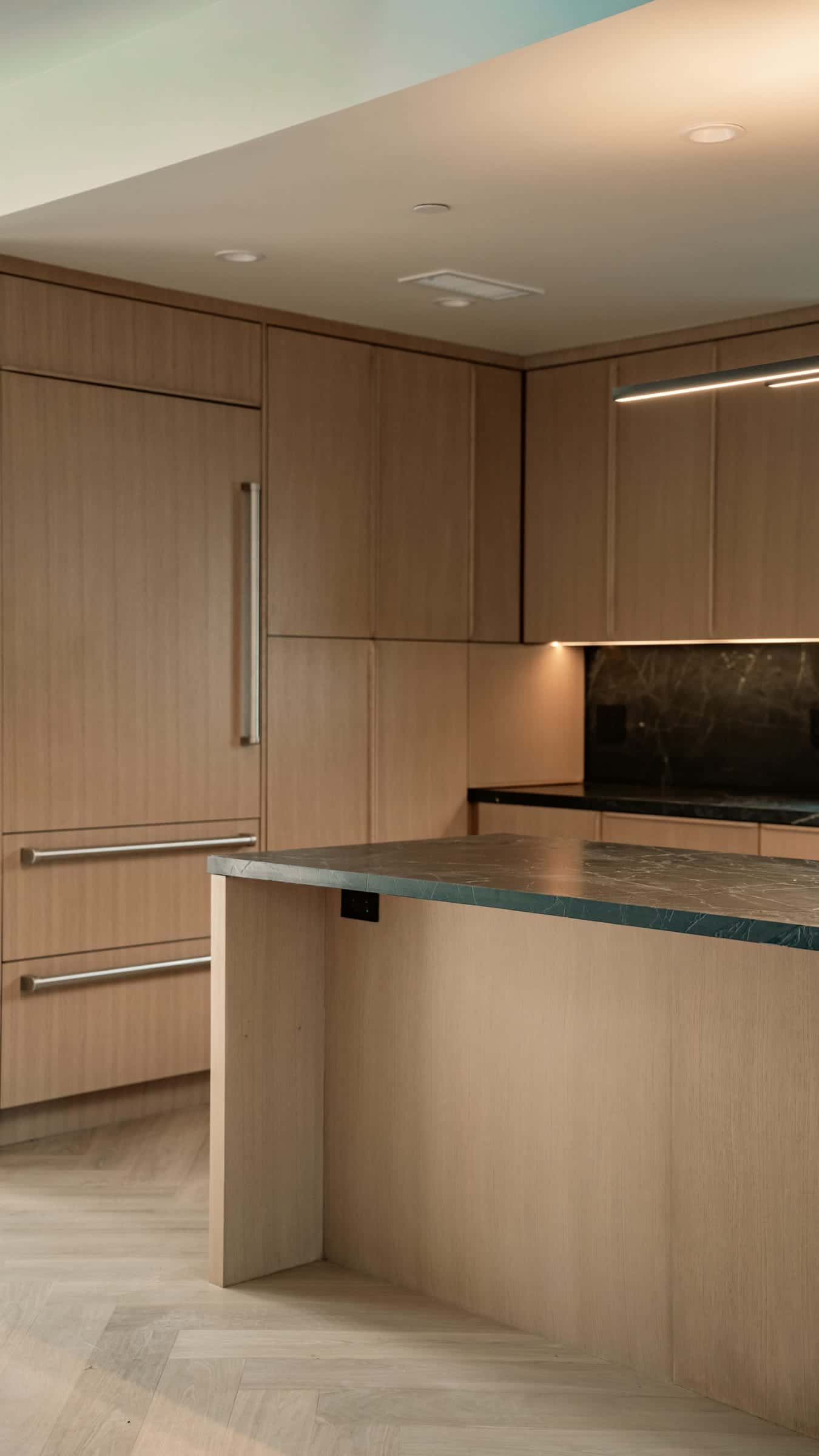
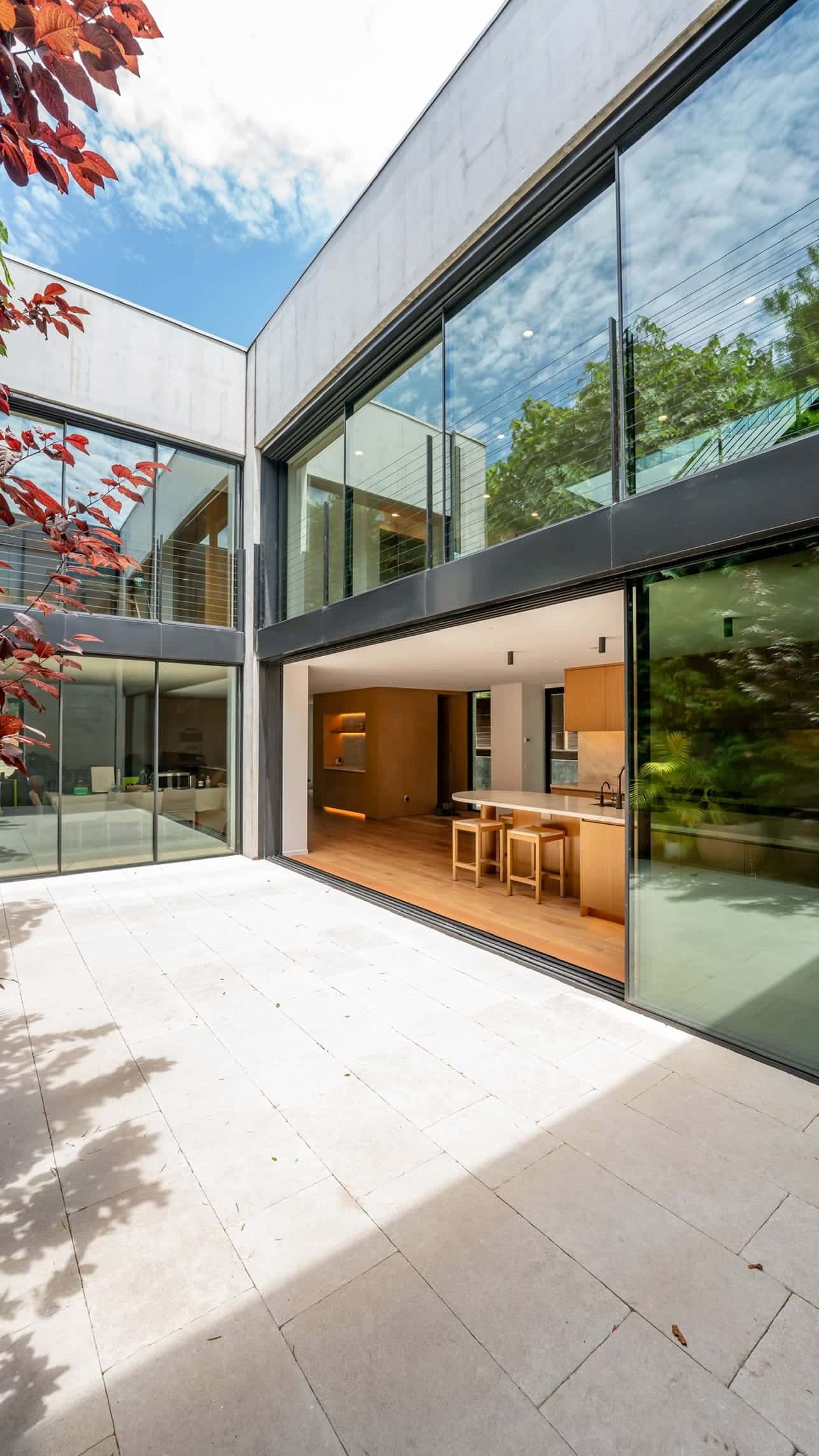
Our Ocean Park Residence, on Ocean Park Boulevard, is a complete renovation and second-story addition designed with EYRC Architects. It passed through the same city plan check and inspectors your addition will, and it shows how we tie a new upper floor into an older house: rooms that open to a courtyard through full-height glass, rift oak millwork and a primary bath clad in stone.
General information, checked against official sources in October 2026. Rules change and vary by parcel; we confirm what applies to your property before design begins.
Recent RODO projects
Completed projects in and around Los Angeles; each is labelled with where it was built.
Home additions in Santa Monica: common questions
Who issues permits for a home addition in Santa Monica?
The City of Santa Monica, through Planning and Building & Safety, not LADBS. Plans are submitted electronically, and the Permit Services Center at 1685 Main Street handles appointments and questions.
How tall can a second-story addition be in Santa Monica?
On most R1 lots, 28 feet and two stories, with exterior walls held to 23 feet and a 45-degree daylight plane above that. The second story also steps back from the front and sides, so it sits inside the floor below.
Does Santa Monica treat an addition differently from a new house?
Yes. The code allows more floor area when an existing house is added to without demolition, and gives additions some flexibility on setbacks and stepbacks. For a sound older house, that can make adding on the better choice.
Will my addition need a coastal development permit?
It can, if the lot is in the coastal zone. Work on an existing house is generally exempt, but additions and some exterior changes can need a permit, which in Santa Monica comes from the Coastal Commission. We check your parcel first.
Have you built a second-story addition in Santa Monica?
Yes. Our Ocean Park Residence on Ocean Park Boulevard is a complete renovation and second-story addition designed with EYRC Architects, shown with photographs on our projects page.
Keep reading
Home Additions elsewhere in Los Angeles
General information only, not legal advice. Building codes, zoning and permit rules change and vary by property; we confirm the current requirements for your home during design.
Home Additions in Santa Monica?
What happens next
- 1Call or send the form
- 2Consultation & site visit
- 3A fixed, line-item proposal
 Dolev PopovichFounder & CEO
- License
- CA License #1100805 · Bonded & insured