
Home additions & second stories in Manhattan Beach
RODO Development Inc. is a licensed design-build contractor that builds home additions and second stories. In Manhattan Beach, the area district your lot sits in decides how far up an addition can go, and the city's own coastal, tree and construction rules shape the rest. This page explains each of them.
The area district decides how far up
Manhattan Beach divides its residential land into four Area Districts. In single-family zones, Area Districts I and II, the larger-lot inland neighborhoods, allow 26 feet and two stories, so a one-story house there can usually gain a second floor but not a third. Area Districts III and IV, which take in the beach area, allow 30 feet and three stories. Sand, Tree and Hill Section are neighborhood names rather than zoning districts, so the parcel's Area District is what we confirm first.
Height is measured from the average of the four property corners, so on a sloping lot a precise survey is the first document we commission. An existing house that already sits close to the limit leaves little room for a new floor, and the survey shows that before any design time is spent. Manhattan Beach is its own city, with its own Community Development Department for planning and building permits.
Floor area, basements and roof decks
Floor area comes from the city's buildable floor area formula, which multiplies lot area by a factor that varies by district, and the existing house counts against it along with the addition. Parking and qualifying basement space are partly excluded, which is one reason some owners here add space below rather than up. We calculate what remains on your lot before design, because a basement changes the structural, waterproofing and shoring scope.
Roof decks are allowed, with conditions. A deck can sit above the second story in 26-foot areas or the third story in 30-foot areas, its surface must be at least nine feet below the height limit, and it needs extra setbacks from the side and rear property lines. A second-story addition is often the moment to add one, because designing it in from the start keeps it inside the height limit.
The coastal permit and front-yard trees
The city's Local Coastal Program was certified in 1994, so Manhattan Beach issues its own Coastal Development Permits. If your property is in the coastal zone and the addition involves significant changes, a coastal permit may be required, and in a band about 300 feet inland from the beach those local decisions can be appealed to the Coastal Commission. We confirm the coastal status of your address during early planning.
Inland, the city's tree ordinance applies to residential lots in Area Districts I and II and protects qualifying trees in the front yard. That can decide whether an addition can extend toward the street or move a driveway, so we record those trees on the survey before the site plan is set.
Building a few feet from the neighbors
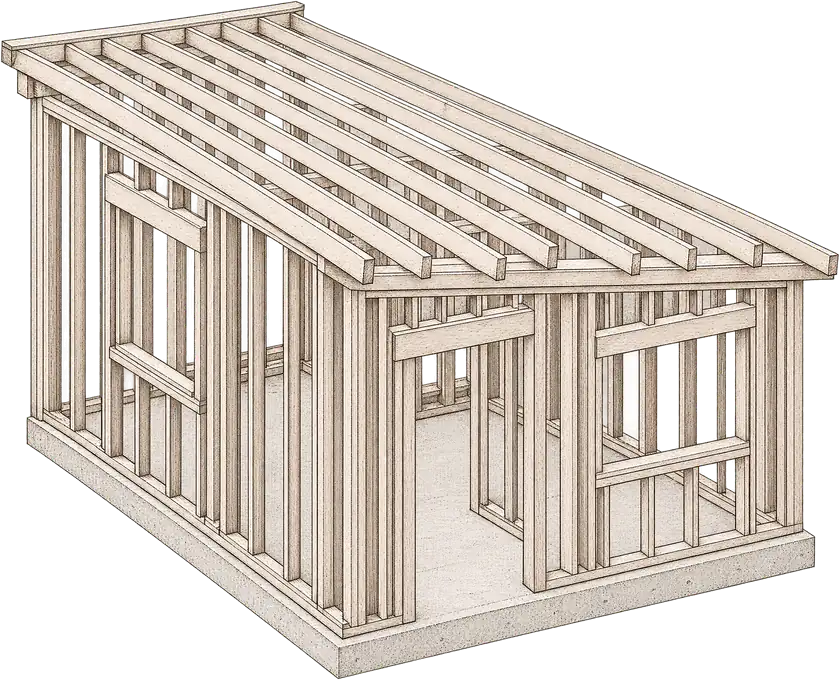
Near the water, many Sand Section lots are about 30 by 90 feet, so an addition is built a few feet from the house next door. Where excavation runs close to the property line, shoring gets its own plan check and permit, and state law requires notice to the neighbors before excavating near their foundations. Before design, our structural engineer checks whether the existing foundation and walls can carry a new floor.
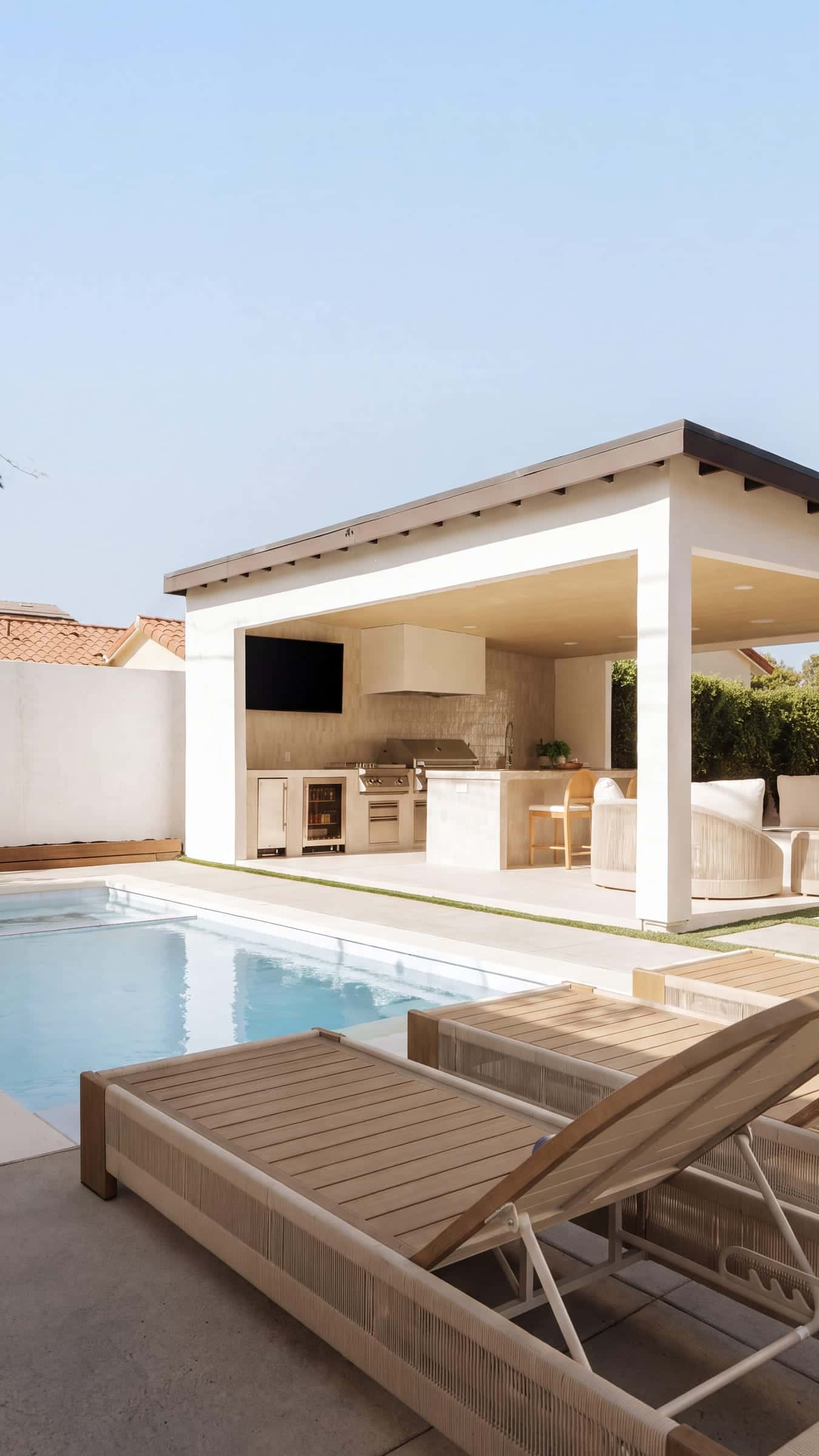
Work hours are fixed by the city: 7:30 a.m. to 6 p.m. on weekdays and 9 a.m. to 6 p.m. on Saturdays, with no work on Sundays or city holidays. We haven't listed a Manhattan Beach project on our site yet. Our closest second-story addition is the Ocean Park Residence in Santa Monica, a complete renovation designed with EYRC Architects, and in the South Bay we built a pool, pavilion and outdoor kitchen on Linda Dr. in Torrance.
General information, checked against official sources in October 2026. Rules change and vary by parcel; we confirm what applies to your property before design begins.
Recent RODO projects
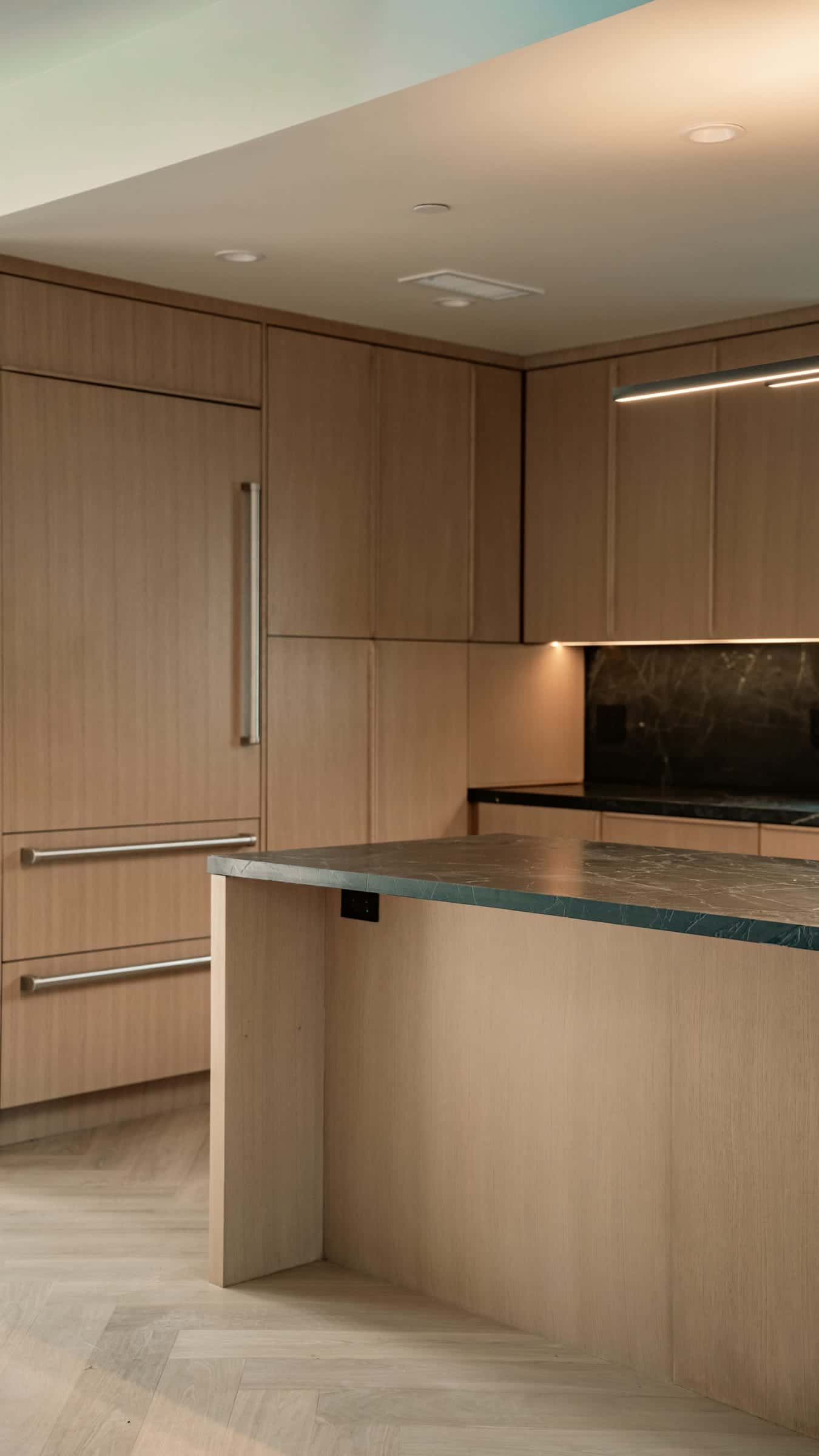
Completed projects in and around Los Angeles; each is labelled with where it was built.
Home additions in Manhattan Beach: common questions
Who issues permits for a home addition in Manhattan Beach?
The City of Manhattan Beach, through its Community Development Department, which covers planning and building and safety. Coastal Development Permits are issued by the city as well.
Can I add a second or third story in Manhattan Beach?
In single-family zones, Area Districts I and II allow 26 feet and two stories, and Area Districts III and IV allow 30 feet and three stories, measured from the average of the four lot corners.
Can my addition include a roof deck?
Yes, if it meets the city's conditions: the deck sits above the top story, its surface is at least nine feet below the height limit, and it has larger side and rear setbacks than the house itself.
Will my addition need a Coastal Development Permit?
If the property is in the coastal zone and the addition involves significant changes, it may. The city issues the permit under its certified Local Coastal Program, and decisions within about 300 feet of the beach can be appealed to the Coastal Commission.
What hours can construction run?
Weekdays from 7:30 a.m. to 6 p.m. and Saturdays from 9 a.m. to 6 p.m. No work is allowed on Sundays or city holidays.
Keep reading
Home Additions elsewhere in Los Angeles
General information only, not legal advice. Building codes, zoning and permit rules change and vary by property; we confirm the current requirements for your home during design.
Home Additions in Manhattan Beach?
What happens next
- 1Call or send the form
- 2Consultation & site visit
- 3A fixed, line-item proposal
 Dolev PopovichFounder & CEO
- License
- CA License #1100805 · Bonded & insured