
Home additions & second stories in Pasadena
Pasadena measures a house against its neighbors, protects its landmark districts closely and treats second stories with particular care. This page explains how the city's single-family standards size an addition and which approvals come before a building permit.
Sized against the street
Pasadena's single-family standards, revised in 2021, start from the neighborhood rather than the lot alone. A house may be up to 35 percent larger than the median house size within 500 feet. On top of that sits an absolute maximum: 30 percent of lot area plus 500 square feet on lots under 12,000 square feet, 20 percent plus 1,700 square feet on lots up to 24,000 square feet, and 25 percent plus 1,000 square feet on larger lots. Your addition has to satisfy both.
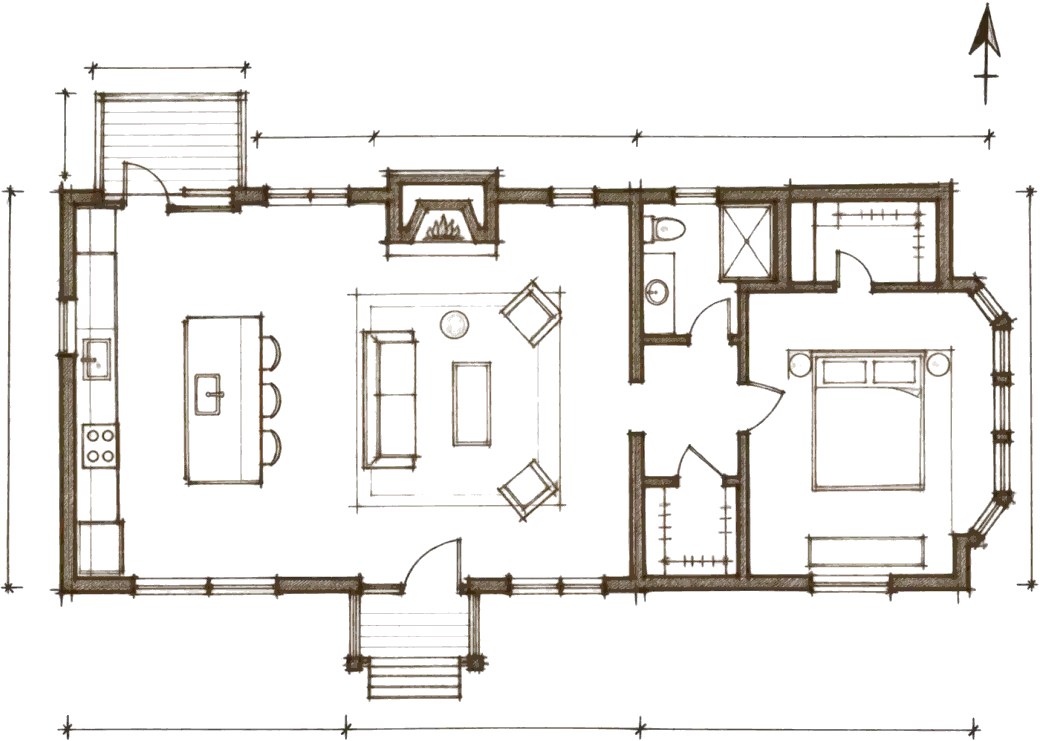
Small additions get a simpler path. An addition of up to 500 square feet that is not visible from the street is exempt from the compatibility test. For many families a rear primary suite of that size is the most straightforward way to add space without a public process.
Going up: plate heights, story poles and notice
Second stories are where Pasadena's process is most distinctive. Maximum height is 28 feet on lots narrower than 75 feet and 32 feet on wider lots, inside an encroachment plane, and the code limits top-plate heights: ten feet for the first story and 20 feet for the second, or 23 feet in historic districts and overlays. Lot coverage is limited to 35 percent on lots between 7,200 and 12,000 square feet, with a little more allowed for single-story area.
Exceeding the compatibility limit requires a Single-Family Compatibility Permit. For an upper-story addition, that means story poles on the house and a three-dimensional visual analysis, with notice mailed to properties within 500 feet for at least 14 days. A hearing is held only if someone requests one. Good neighbor conversations before the poles go up make this step far smoother, and we help you prepare for them.
Landmark districts and historic homes
Pasadena's landmark districts protect the character of whole streets of Craftsman bungalows, period revival houses and post-war homes. Bungalow Heaven, the city's first landmark district, was designated in 1989 and later listed on the National Register. An addition in a landmark district needs a Certificate of Appropriateness: staff decide minor projects, and major ones go to the Historic Preservation Commission.
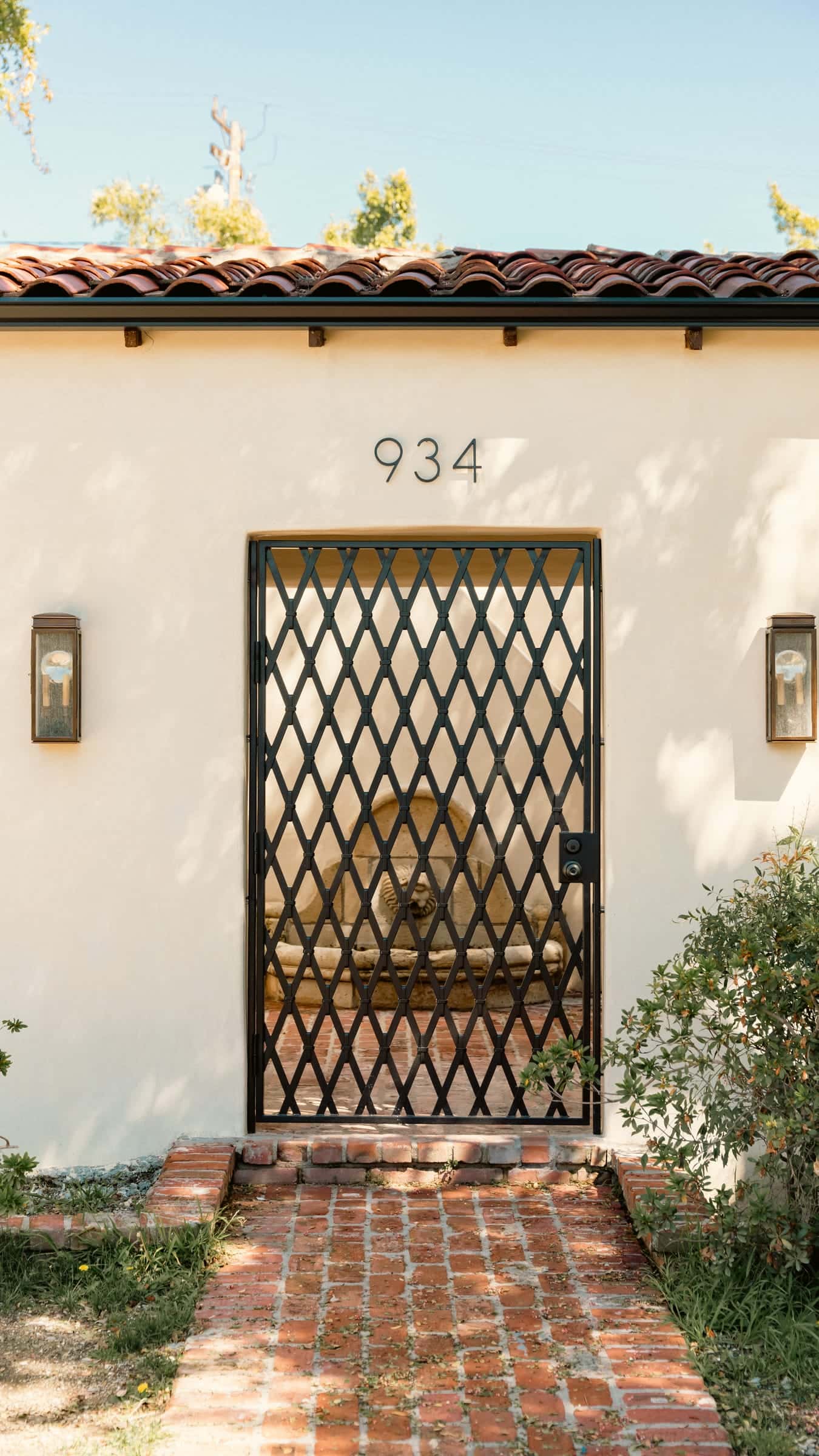
The additions that pass most easily are the ones that defer to the original house. A second story set well back from the front wall, roof pitches and eave details borrowed from the existing house, windows with matching proportions and materials that are compatible without imitating age all help. Our Orlando Ave. project in West Hollywood, a Spanish Revival renovation and addition, was built on the same principle: the new work should read as part of the house.
Hillside lots, trees and the fire recovery
Properties in the city's Hillside Development overlay need a Hillside Development Permit for additions over 500 square feet, with height capped at 28 feet and lot coverage at 35 percent. Trees are protected under the city's tree ordinance: native and specimen trees in the setbacks of single-family lots, landmark trees and public street trees. Work nearby needs a tree protection plan, with a protection zone extending four feet beyond the dripline.
The Eaton Fire destroyed 185 structures within Pasadena, mostly in northern neighborhoods such as Upper Hastings Ranch, Victory-Rose and Dundee Heights, and the city adopted a rebuild ordinance that eases some standards for those properties. If your home was lost, the process is a rebuild rather than an addition; our page on rebuilding in neighboring Altadena explains how those projects work. Applications are submitted online, and Pasadena Water and Power reviews any upgrade to electrical service that a larger house needs.
General information, checked against official sources in October 2026. Rules change and vary by parcel; we confirm what applies to your property before design begins.
Recent RODO projects
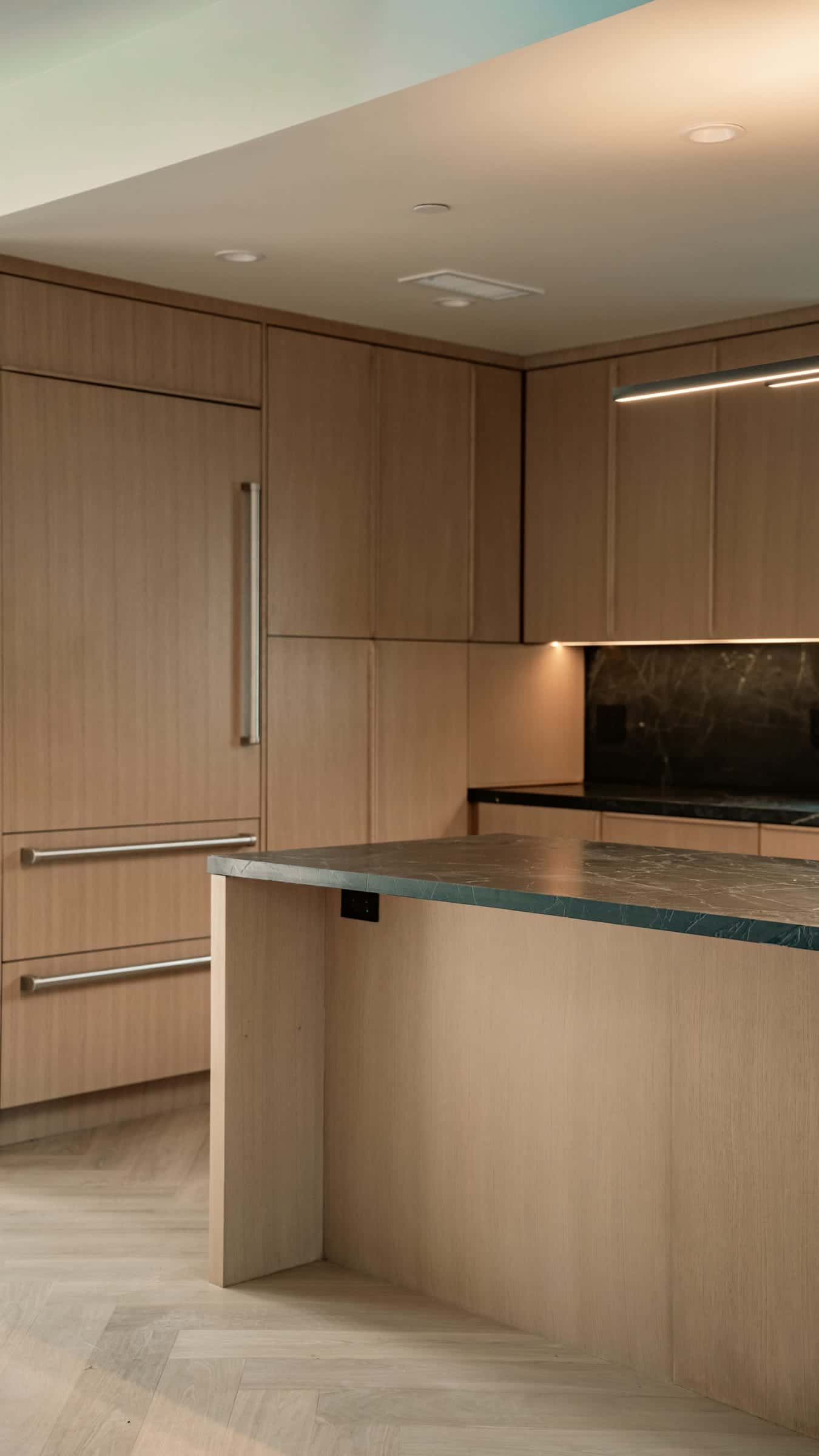
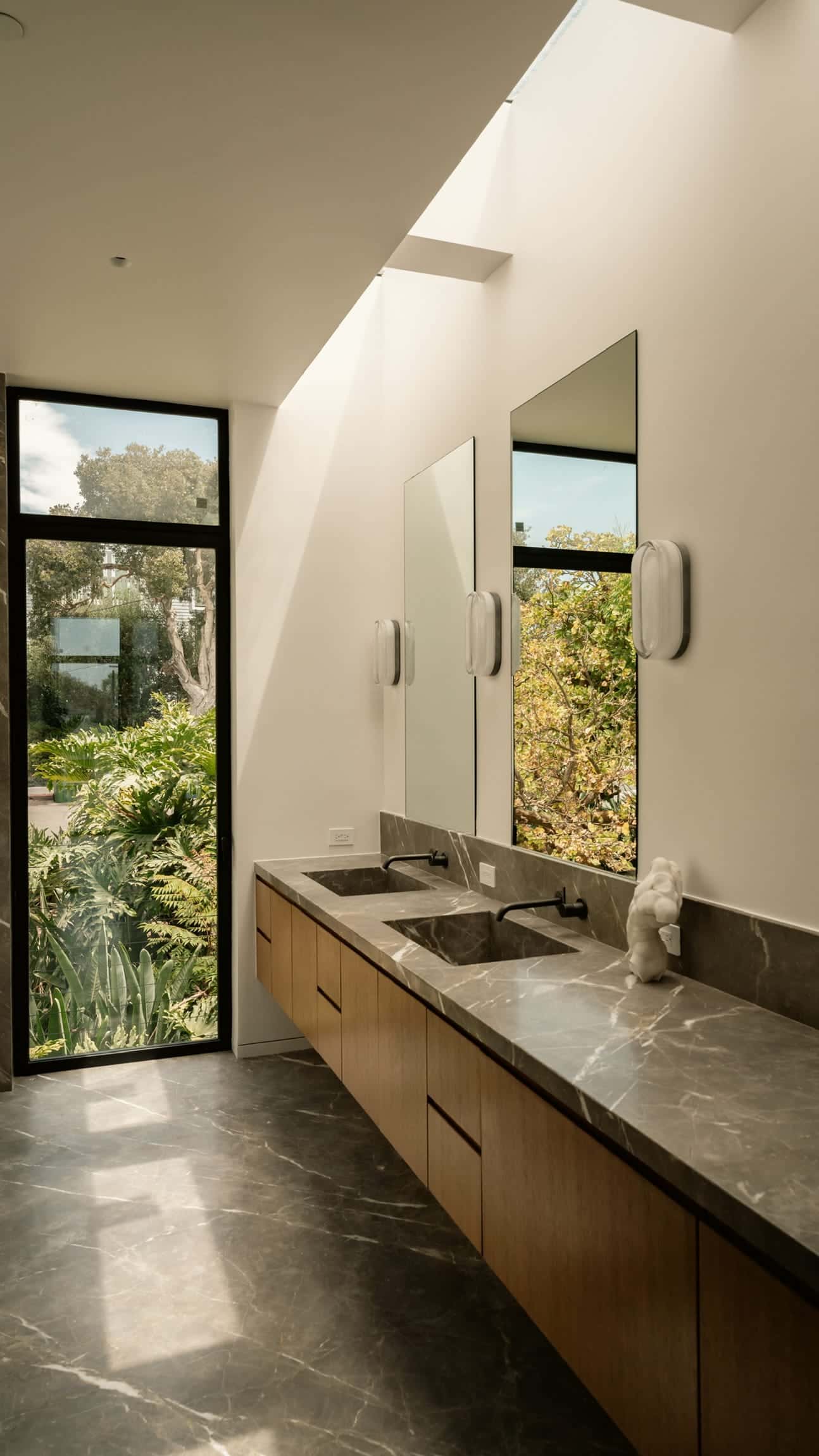
Completed projects in and around Los Angeles; each is labelled with where it was built.
Home additions in Pasadena: common questions
How large can my Pasadena addition be?
The finished house can be up to 35 percent above the median house size within 500 feet, and no larger than the absolute cap for your lot size, such as 30 percent of lot area plus 500 square feet on lots under 12,000 square feet.
Do I need story poles for a second story?
If the addition needs a Single-Family Compatibility Permit, yes. Upper-story additions under that permit require story poles and a three-dimensional visual analysis, and neighbors within 500 feet receive notice.
Can I add on to a house in a landmark district?
Yes, with a Certificate of Appropriateness. Staff review minor work and the Historic Preservation Commission reviews major projects, so a design that respects the original house is the fastest path.
Is there a size of addition that avoids the compatibility review?
Additions of up to 500 square feet that are not visible from the street are exempt from the compatibility test. Other standards, such as setbacks and height, still apply.
What if there are mature trees near the addition?
Native and specimen trees in the setbacks of single-family lots are protected, along with landmark and street trees. Work nearby needs a tree protection plan covering the dripline plus four feet.
General information only, not legal advice. Building codes, zoning and permit rules change and vary by property; we confirm the current requirements for your home during design.
Home Additions in Pasadena?
What happens next
- 1Call or send the form
- 2Consultation & site visit
- 3A fixed, line-item proposal
 Dolev PopovichFounder & CEO
- License
- CA License #1100805 · Bonded & insured