
Whole-home remodels in Manhattan Beach
RODO Development Inc. is a licensed design-build contractor that remodels whole homes. In Manhattan Beach, where many owners weigh a remodel against a rebuild, the city's rules for older houses decide how far a remodel can go before it is treated as new construction. This page explains those rules.
Remodel or rebuild: the question most owners start with
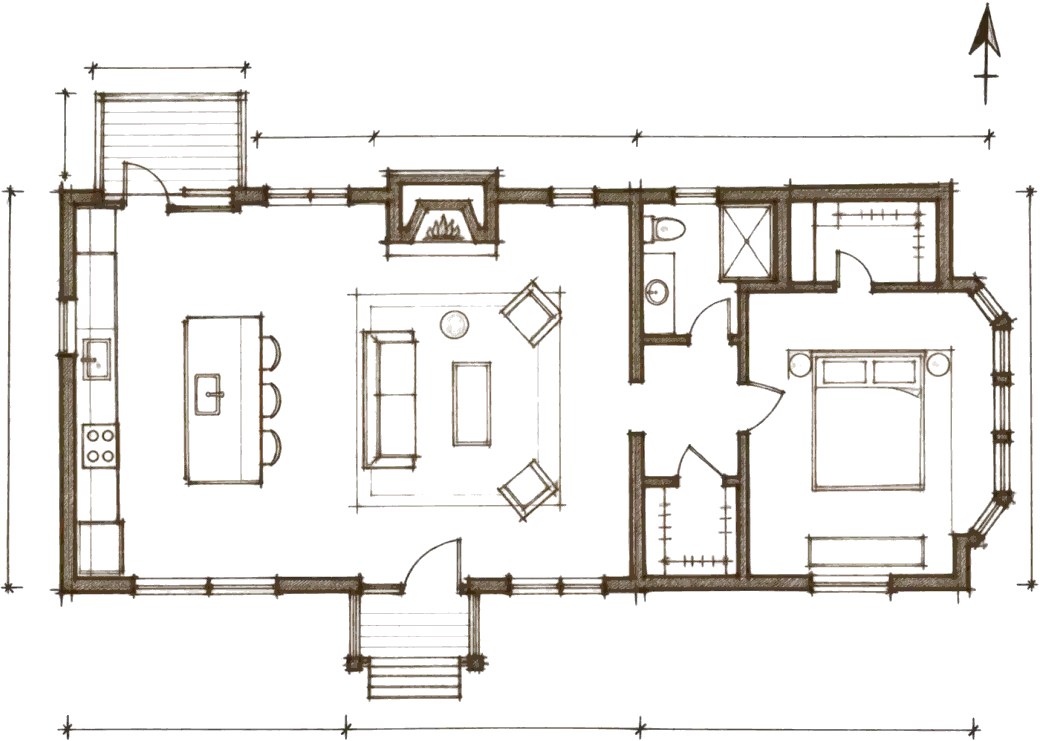
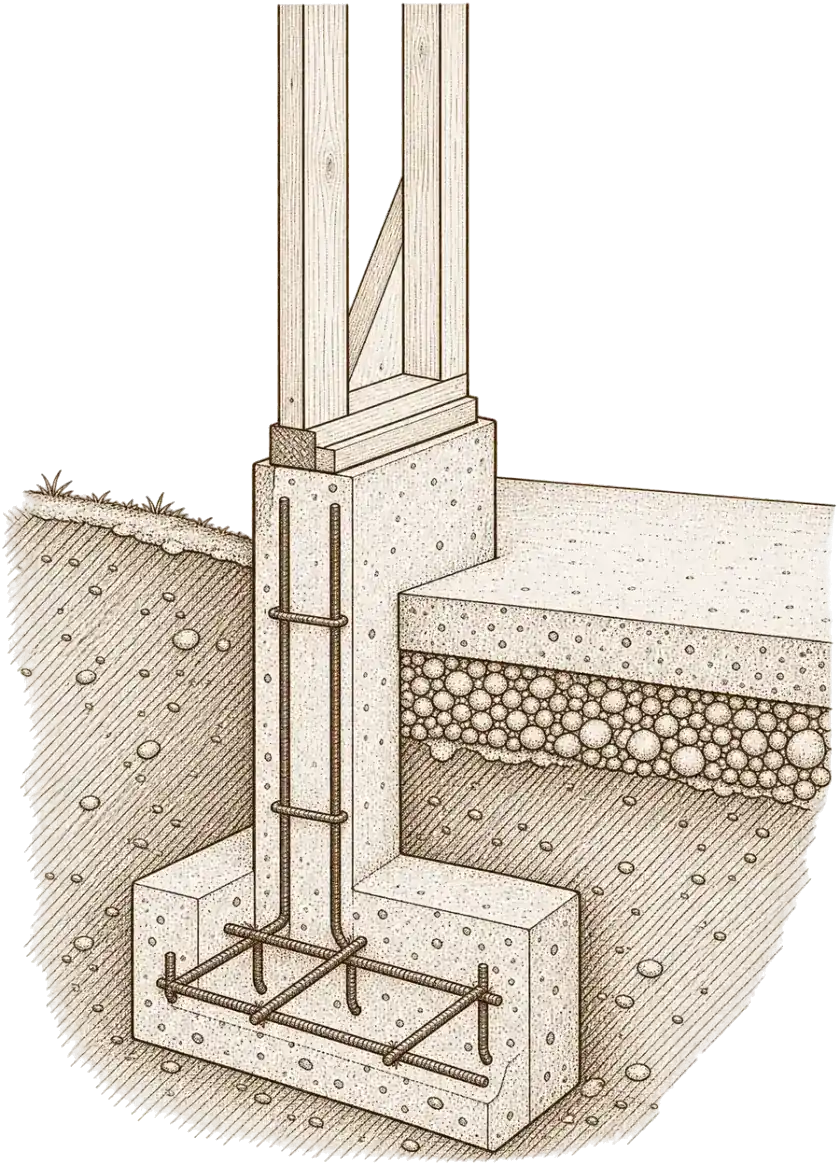
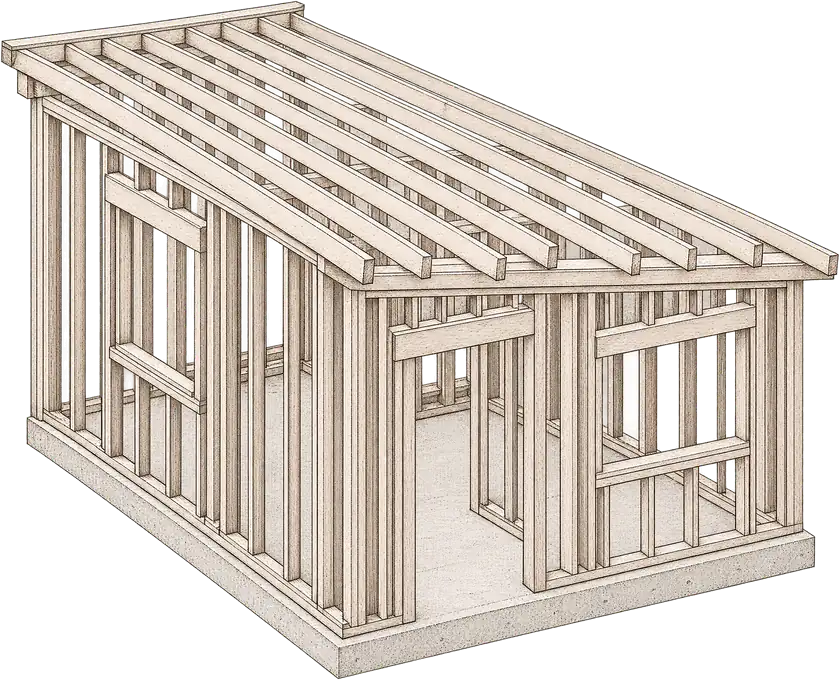
Much of Manhattan Beach has been rebuilt lot by lot, so the first conversation is often whether to keep the house at all. A whole-home remodel keeps the foundation and much of the framing and spends the budget on the plan, the kitchen, the baths and new systems. A rebuild starts from an empty lot and must meet every current standard. Our custom homes page covers the height, floor-area and roof-deck rules for a new house; this page covers what changes when you keep the one you have.
Many older houses here were built under earlier rules, so they sit closer to the property lines, rise higher or leave less open space than the code now allows. The city calls them nonconforming. That status lets the house stay as it is, but it also limits how much of it can be rebuilt, and that limit shapes almost every whole-home remodel in the city.
The 50% rule for older houses
Under the city's nonconforming rules, a house that doesn't meet current yards, height, distance between buildings, driveway or open-space standards can't be altered or enlarged once the cost of the work, plus any permits pulled in the previous 60 months, exceeds 50 percent of what it would cost to rebuild the whole structure. Work that brings the house into conformance is the exception. The city values the work the same way it values building permits and asks for a valuation worksheet and a signed 50% rule acknowledgment with remodel plans.
There are narrow exceptions, such as a single substandard yard that isn't touched by the work, and a Minor Exception process that lets some remodels and modest additions go ahead while keeping existing walls in place. It comes with conditions: the remaining nonconforming walls must still have at least half of the required setback, part of the existing structure has to be kept, and the house may not take further additions later unless it is brought fully up to code. Whether your house qualifies depends on its floor area, its area district and the coastal zone, so we run the numbers on your survey before design.
When a remodel becomes a new building
The line between remodel and new construction is drawn in the field as well as on paper. The city's building code treats major demolition, removing framing or wall and ceiling coverings to extend the life of the building, as a new building, and remodels that keep nonconforming walls require a partial demolition acknowledgment. If more is taken down than the approved plans show, the city can treat the project as new construction, with every current code applying. We mark what stays on the plans and on site, and our crews remove only what the permit allows.
The valuation also triggers upgrades. When a remodel or expansion is worth more than half of the building's value, the city requires the electrical and other service lines to be put underground. Fire sprinklers become required throughout an existing house when more than half of its walls or ceilings are opened, or when the floor area grows by more than half, counted over time. We flag both thresholds in the first scope review, because each changes the budget and the drawings.
Coastal permits, parking and our work
The city issues its own coastal permits under its certified Local Coastal Program, and improvements to an existing single-family house are generally exempt. The exceptions matter near the sand: between the sea and the first public road, or within 300 feet of the beach, an addition of 10 percent or more of floor area, a new story or loft, or a height increase of more than 10 percent needs a coastal permit. Work on the beach or within 50 feet of a bluff edge is not exempt either. We confirm your parcel's status before design.
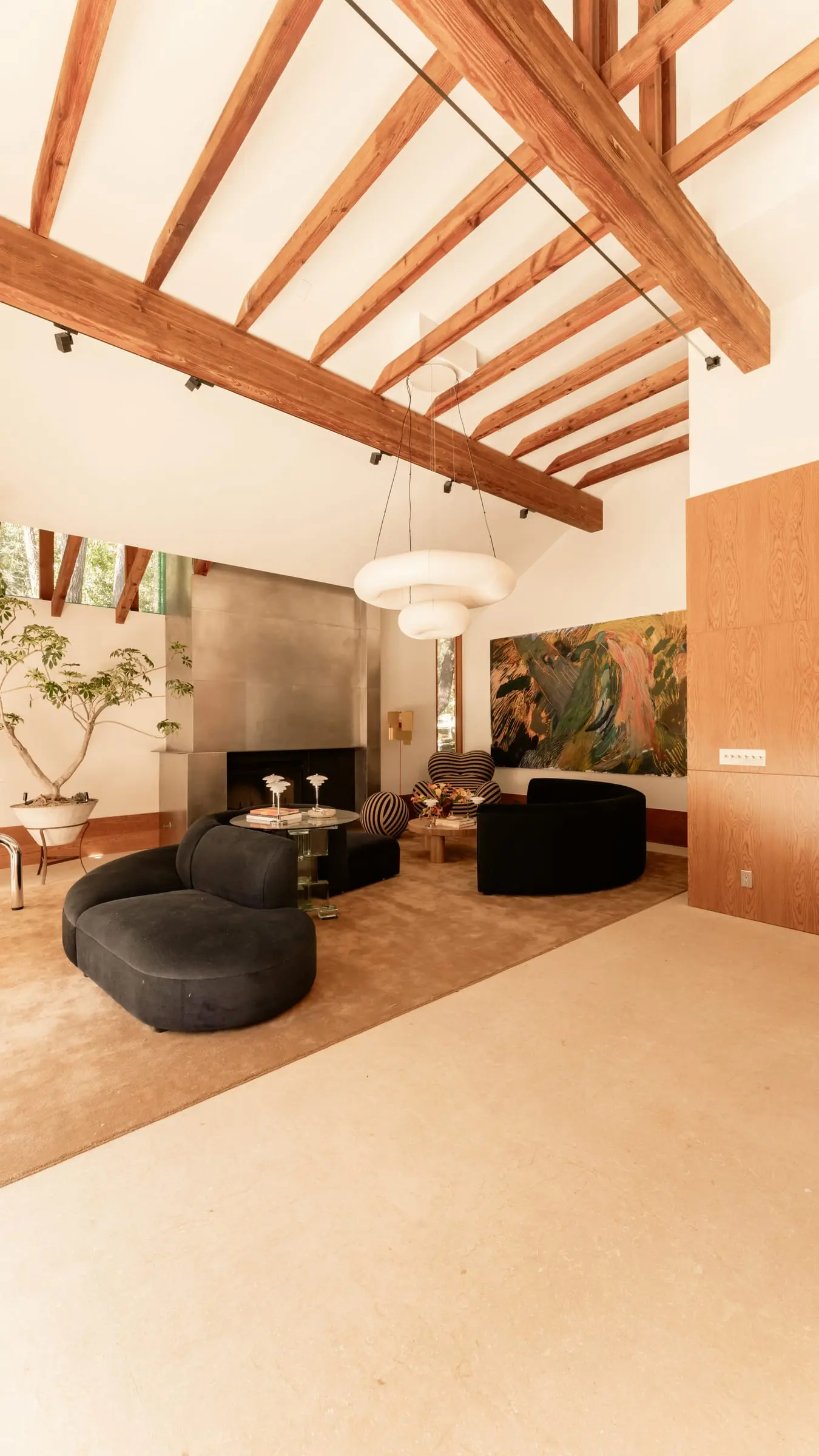
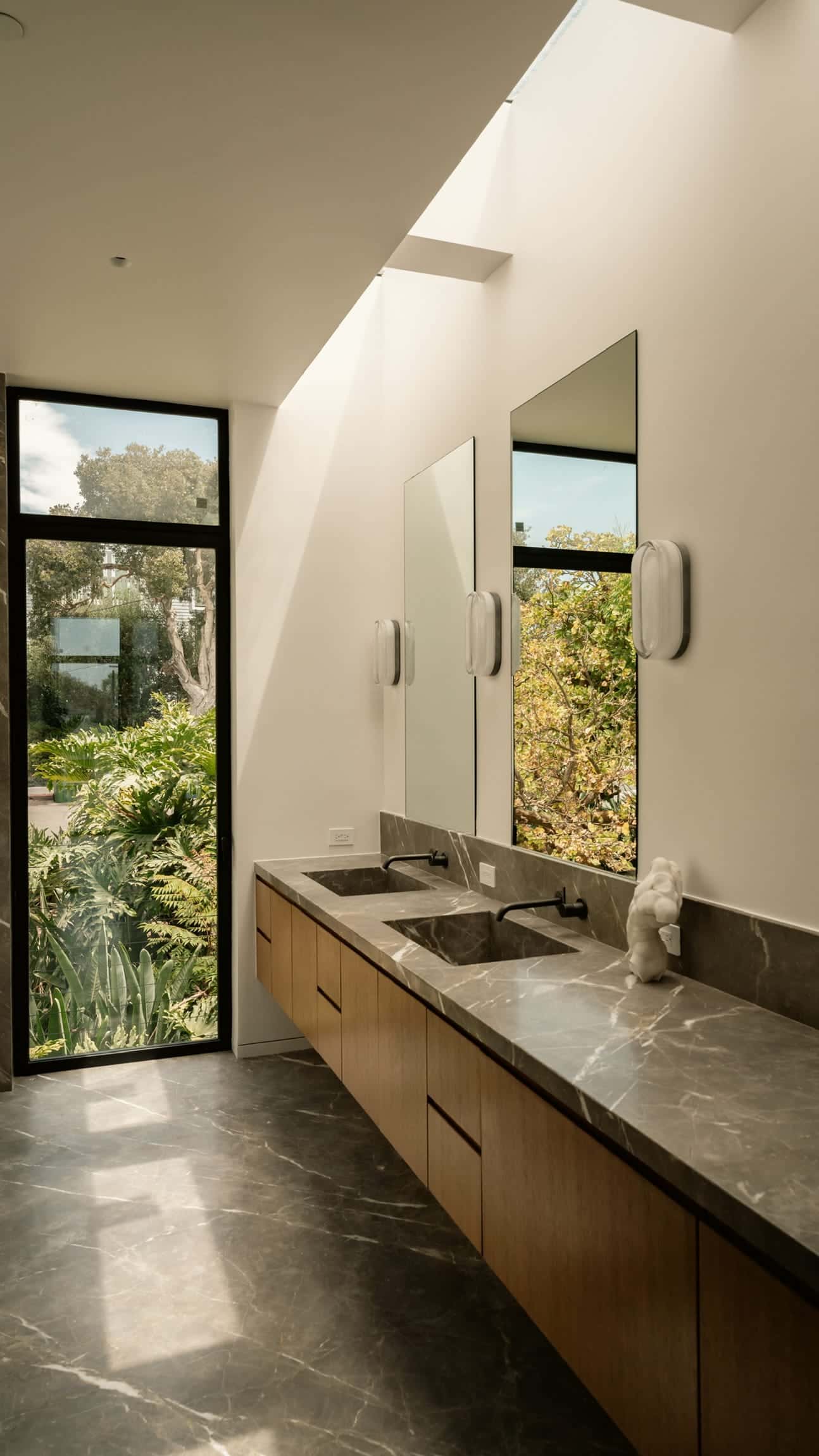
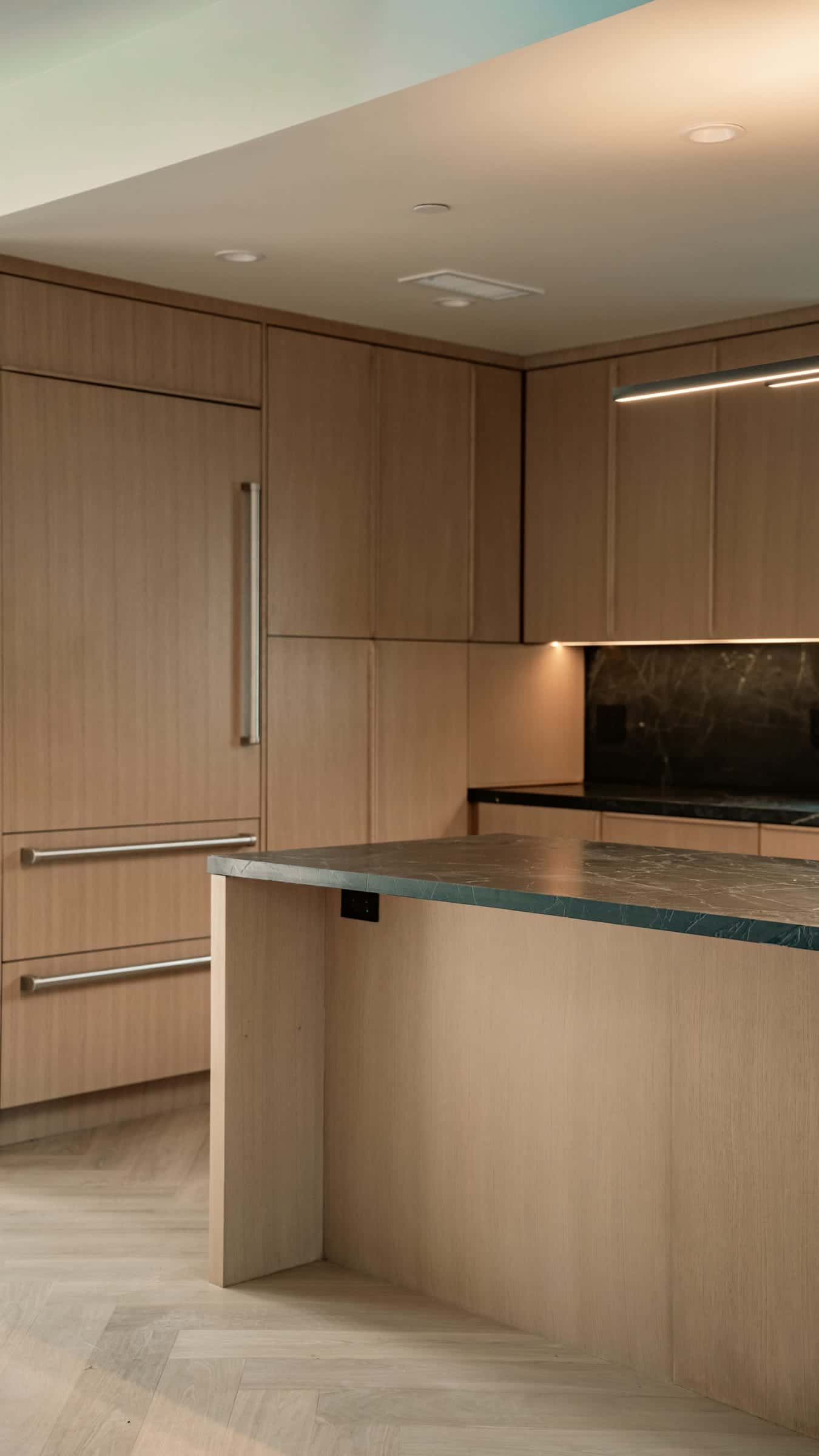
A house isn't nonconforming just because it has too little parking, but a major alteration over the 50% line brings in the full requirement of two enclosed spaces, or three for larger homes. We haven't listed a Manhattan Beach project on our site yet. The whole-home work shown below is in Santa Monica and Los Angeles: the Ocean Park Residence, a complete renovation designed with EYRC Architects, and the Ceilhunt Ave. residence, a complete renovation with an addition.
General information, checked against official sources in October 2026. Rules change and vary by parcel; we confirm what applies to your property before design begins.
Recent RODO projects
Completed projects in and around Los Angeles; each is labelled with where it was built.
Whole-home remodels in Manhattan Beach: common questions
What is the 50% rule in Manhattan Beach?
For a house that doesn't meet current setbacks, height or open space, the city limits alterations once the cost of the work, plus permits from the past 60 months, exceeds 50 percent of the cost to rebuild the whole structure, unless the work brings the house into conformance. A Minor Exception can allow some projects beyond that.
Can I keep my existing setbacks if I remodel?
Often, yes, if the house stays within the 50% rule or qualifies for a Minor Exception. The remaining nonconforming walls must stay in place, so we plan the demolition carefully. If more is removed than the approved plans show, the city can treat the project as a new house.
Does a whole-home remodel need a Coastal Development Permit?
Usually not. Improvements to an existing single-family house are generally exempt, but near the beach an addition of 10 percent or more, a new story or a height increase over 10 percent can need one. The city issues coastal permits under its Local Coastal Program.
Will my remodel require fire sprinklers?
It can. In an existing house, the city requires sprinklers throughout when more than half of the walls or ceilings are opened or the floor area grows by more than half. We check this before design, because it affects the plumbing and the water service.
Should we remodel or rebuild in Manhattan Beach?
If the foundation and framing are sound and the nonconforming setbacks are worth keeping, remodeling usually wins. If the structure and systems all need replacing, or the 50% rule would block the plan, a new home can make more sense. We compare both for your lot.
Keep reading
General information only, not legal advice. Building codes, zoning and permit rules change and vary by property; we confirm the current requirements for your home during design.
Complete Home Remodels in Manhattan Beach?
What happens next
- 1Call or send the form
- 2Consultation & site visit
- 3A fixed, line-item proposal
 Dolev PopovichFounder & CEO
- License
- CA License #1100805 · Bonded & insured