
Whole-home remodels in Pasadena
RODO Development Inc. is a licensed design-build contractor that remodels whole homes in Pasadena, from Craftsman bungalows to Spanish Colonial Revival and mid-century houses. Pasadena has its own permit center, landmark districts and hillside rules, and this page explains how a whole-house remodel moves through them.
Period houses, restored and rebuilt
Pasadena is closely tied to the Arts and Crafts movement, and neighborhoods such as Bungalow Heaven, the city's first landmark district, are lined with Craftsman bungalows. The city also has Spanish Colonial Revival, Tudor and mid-century homes, from the flats to hillside streets along the Arroyo Seco and in the foothills. Many have hand-built details worth keeping, along with original foundations, wiring and plumbing well past their service life.
A whole-home remodel here usually pairs restoration with modernization. We keep the original woodwork and built-ins while rebuilding the kitchen, baths and systems, often borrowing a service porch or pantry and widening openings between rooms. Walls are opened carefully, because in houses of this age the framing, wiring and plumbing behind them are a mix of original work and later changes.
Permits and landmark review
Pasadena is its own city, and permits are issued through the Permit Center in Planning & Community Development, which includes Building & Safety. Contractors need a Pasadena business license to pull permits, and Pasadena Water and Power reviews any upgrade to the electrical service. Pasadena's building electrification ordinance exempts single-family homes, so in an existing house gas and induction are both open choices.
In landmark districts and on designated properties, the city requires a Certificate of Appropriateness for exterior alterations visible from the street, demolition and new construction, reviewed by staff or the Historic Preservation Commission. Interior alterations are exempt, so a whole-house interior remodel often needs only a building permit. Hillside parcels fall under the city's Hillside Development overlay, and native and specimen trees in the setbacks of single-family lots are protected, so we check each before design.
Remodel or rebuild, and living elsewhere
In a landmark district, keeping the house is often the simpler path, because interior work is exempt from historic review while demolition is not. If the foundation, framing and plan all need replacing, a rebuild can still be the right answer, and we compare both for your lot. Additions follow the city's single-family standards, which measure a house against its neighbors, so we size any new space before design.
For a whole-house remodel we usually recommend moving out, and where part of the house can stay closed off we can phase the work. The path for demolition and deliveries often runs along a side yard or a shared driveway, so we protect original floors, doors and built-ins along it. If your home was lost in the January 2025 Eaton Fire, the project is a rebuild rather than a remodel, and our fire rebuild guide explains how those work.
Related work nearby
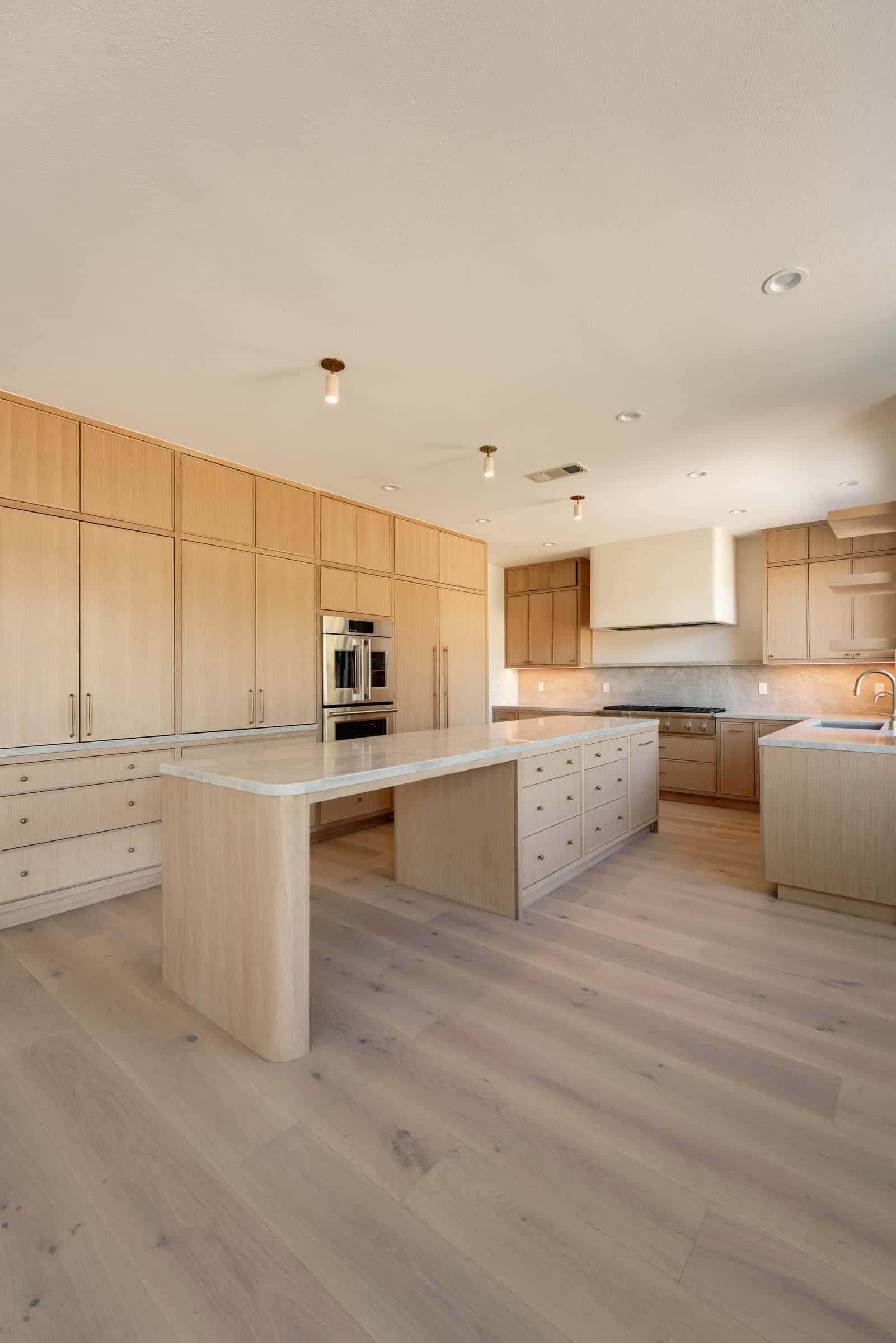
Our Rancho Real Residence in Temple City is a general remodel of a two-story house, covering the kitchen, two bathrooms, floors, paint and millwork. The kitchen is rift-cut white oak with a curved plaster hood and leathered quartzite, the bathrooms are lined in hand-made zellige with brass fixtures, and the new millwork includes a plaster fireplace with oak bench built-ins.
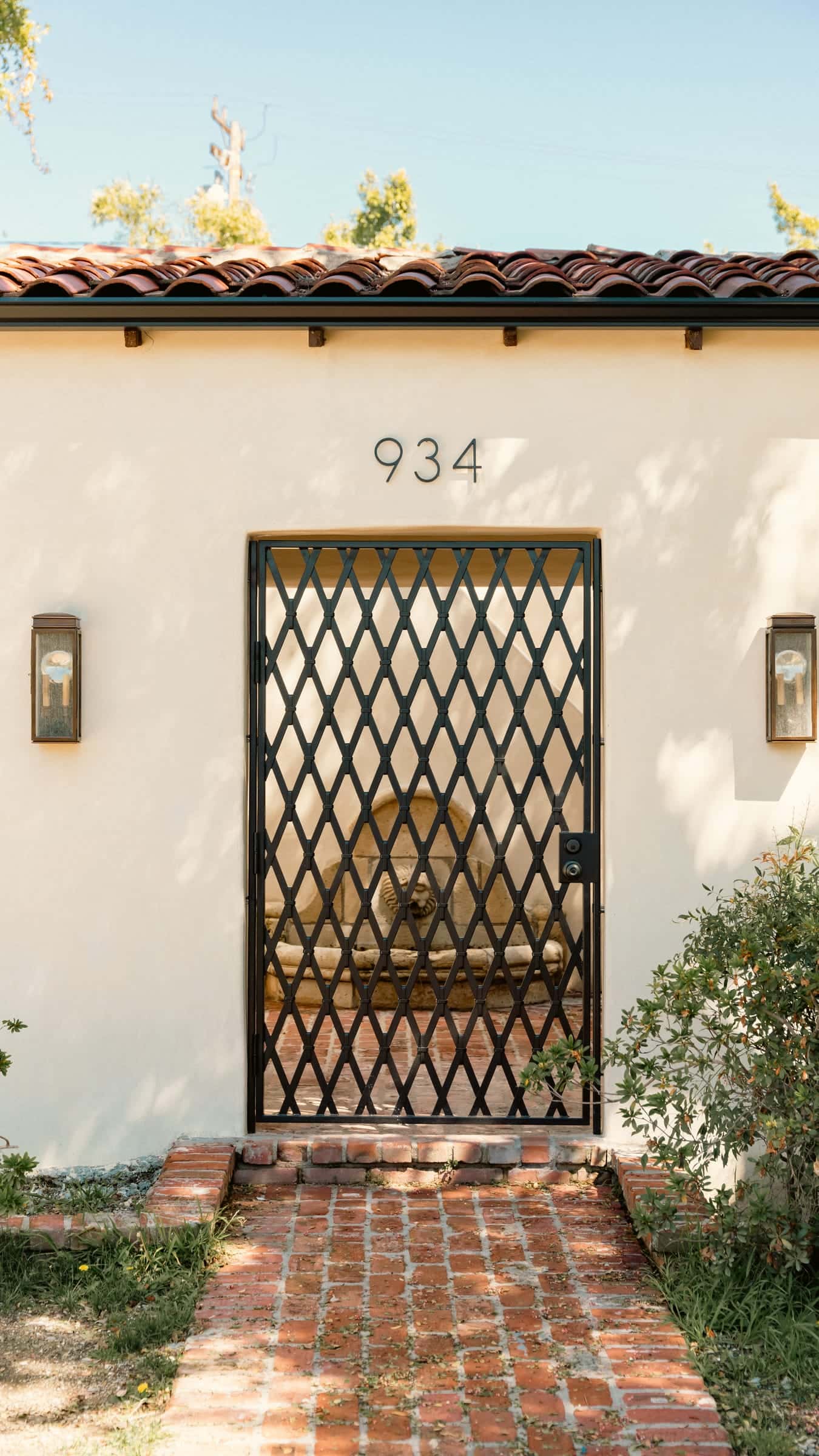
Our Orlando Ave. project in West Hollywood is a Spanish Revival renovation with an addition, built so the new work follows the original character of the house. That principle carries straight into Pasadena's period homes, and both projects are on our projects page with their real locations.
General information, checked against official sources in October 2026. Rules change and vary by parcel; we confirm what applies to your property before design begins.
Recent RODO projects
Completed projects in and around Los Angeles; each is labelled with where it was built.
Whole-home remodels in Pasadena: common questions
How much does a whole-home remodel cost in Pasadena?
It depends on how much of the house changes, the condition of the original foundation, wiring and plumbing, how much original detail is restored, the finish level and site access. RODO Development Inc. gives a fixed, line-item proposal before construction, so you see the full scope and price before work begins.
Who issues permits for a whole-home remodel in Pasadena?
The City of Pasadena, through the Permit Center in Planning & Community Development at 175 N. Garfield Avenue. The contractor must also hold a Pasadena business license.
Does a whole-home remodel in a landmark district need historic approval?
Not for interior work, which is exempt. Exterior changes visible from the street, demolition and new construction on designated properties or in landmark districts need a Certificate of Appropriateness, reviewed by staff or the Historic Preservation Commission.
Can we live in the house during the remodel?
For a whole-house remodel we usually recommend moving out. If part of the house can stay closed off, we can phase the work so that part stays usable, with dust control and a clear plan for each phase.
Should we remodel or tear down and rebuild?
In a landmark district, remodeling is often simpler because interior work is exempt from historic review and demolition is not. If the structure, layout and systems all need replacing, a rebuild can make more sense. We compare both for your lot.
Keep reading
Complete Home Remodels elsewhere in Los Angeles
General information only, not legal advice. Building codes, zoning and permit rules change and vary by property; we confirm the current requirements for your home during design.
Complete Home Remodels in Pasadena?
What happens next
- 1Call or send the form
- 2Consultation & site visit
- 3A fixed, line-item proposal
 Dolev PopovichFounder & CEO
- License
- CA License #1100805 · Bonded & insured