
By Dolev Popovich, Founder & CEO
Published · Updated
The terms are often used interchangeably, but they describe different projects, and the difference affects budget, timeline, permits and design. In short: a renovation improves or updates an existing space, while a remodel changes its design, layout, structure or function.
What is a home renovation?
A renovation improves what already exists. It may include updated finishes, new flooring, refreshed paint and trim, better lighting, and electrical or plumbing upgrades, all without changing the room's basic layout or purpose. A renovation is usually right when the layout still works, but the space needs better materials, newer systems or improved comfort.
What is a remodel?
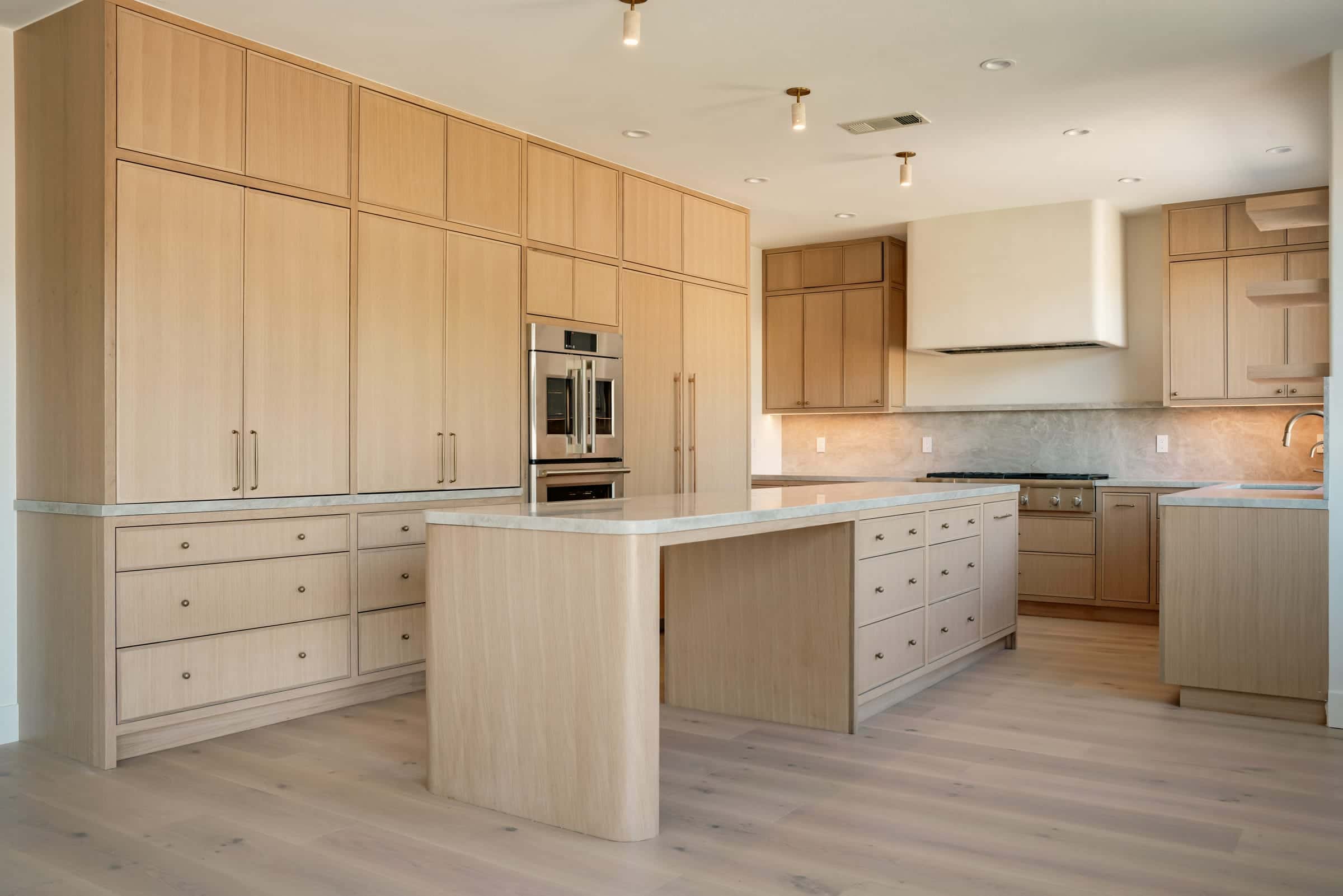
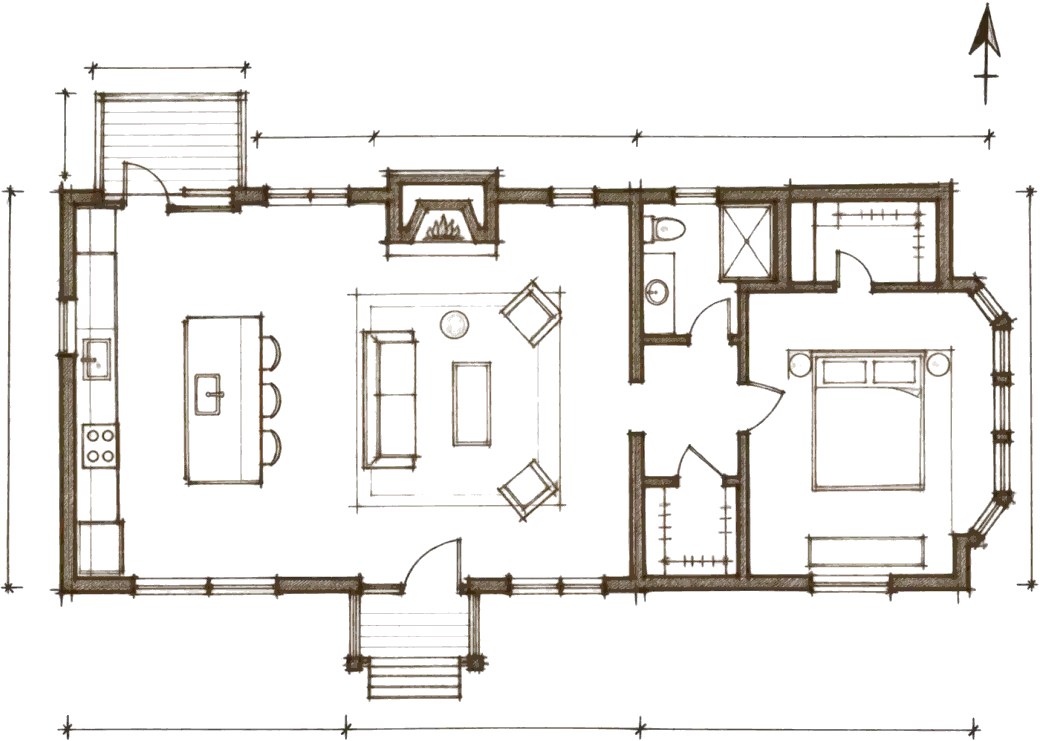
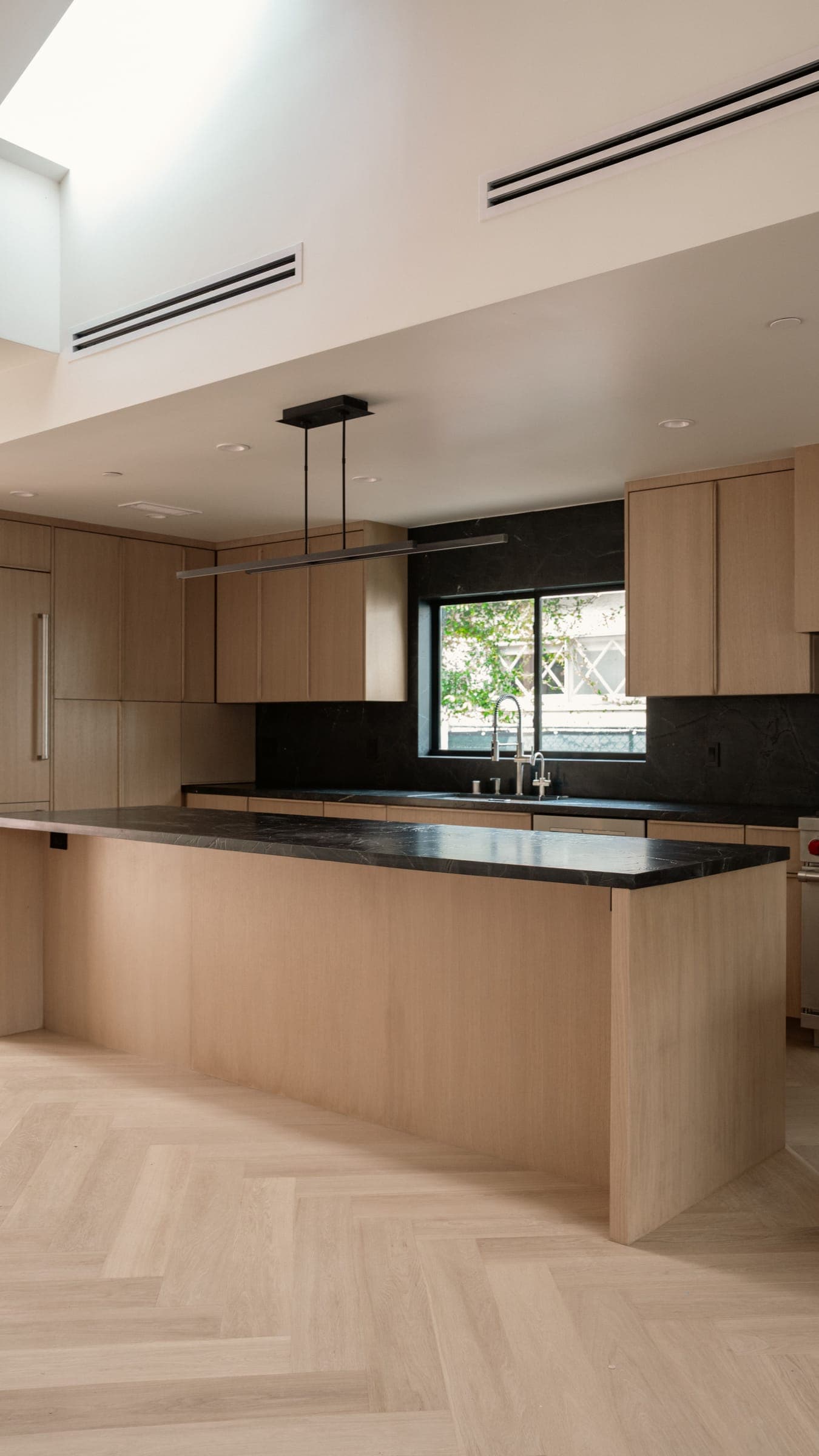
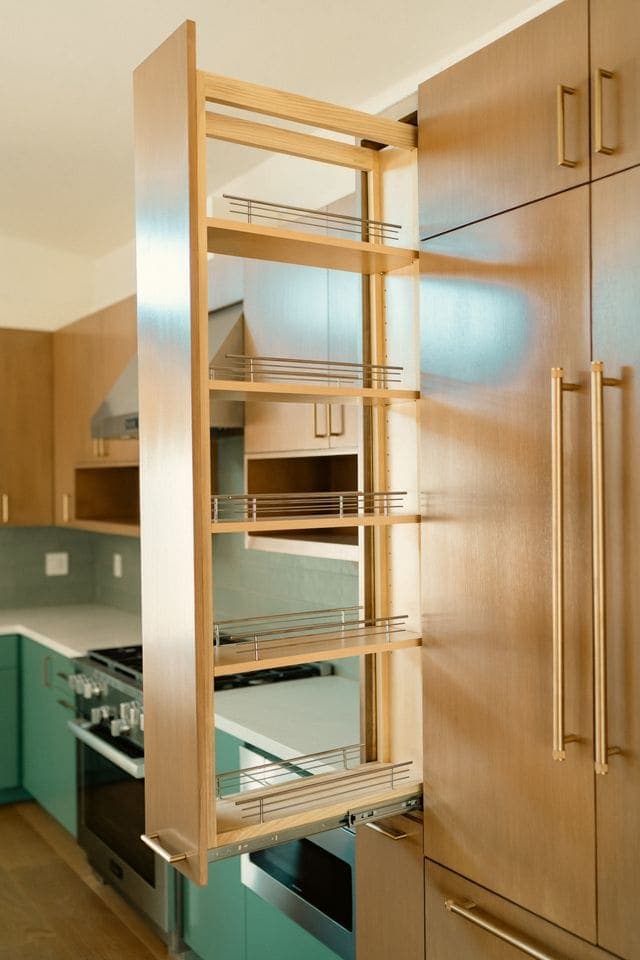
A remodel changes how a space works. It may move walls, reconfigure the layout, add storage, expand usable area or redesign a room entirely. A remodel is usually needed when the space no longer fits your routine, lifestyle or goals. A kitchen remodel, for example, might bring new cabinetry, appliances and counters together with a new layout and an island where a wall once stood.
The main difference
It comes down to the level of change. Repairs, surface updates, system upgrades and finish improvements point to a renovation. Changes to layout, purpose, structure or major design point to a remodel. Both add comfort, function and long-term value when planned well, and many projects combine the two.
When a renovation makes sense
- Modernizing dated finishes
- Updating electrical or plumbing systems
- Refreshing paint, flooring and materials
- Improving comfort and appearance without structural change
A renovation can be especially effective when several rooms need attention but the layout already serves you well.
When a remodel makes sense
- A kitchen that feels cramped or inefficient
- A bathroom that needs a new layout or more storage
- Living areas that feel closed off or too small
- A weak connection between indoors and the garden
- The need for a separate ADU or more space
Kitchens and bathrooms
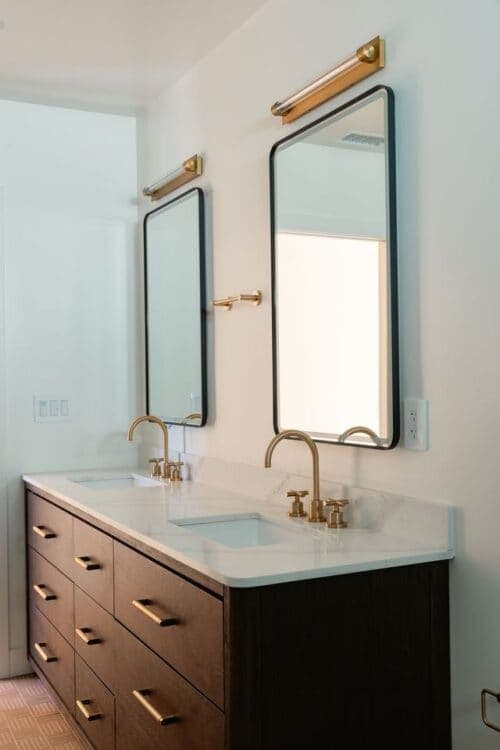
If a kitchen looks dated but works well, a renovation of surfaces, lighting and appliances may be enough. If it feels cramped or disconnected, a remodel will likely serve better. The same applies to bathrooms: a refresh updates fixtures and finishes, while a remodel can reconfigure the room, add storage and create a more restful space. Both are part of our complete home remodels.
ADUs and additions
ADUs and home additions create new living space and change how the property is used, so they go beyond renovation and sit closer to remodeling or new construction. They typically involve more design, engineering and permitting; see our guides to ADU rules and permits and home additions.
Why the distinction matters for planning
Remodels usually involve more design, engineering, permits and coordination than renovations, and that affects cost and schedule. Defining the project correctly at the start leads to a realistic budget, the right team and an accurate timeline. Our planning guide covers the next steps.
Frequently asked questions
Which costs more, a renovation or a remodel?
A remodel generally costs more because it can involve layout changes, structural work, new systems and more detailed planning. The final cost depends on scope.
How do I know which my home needs?
If the space works well but looks dated, a renovation may be enough. If it no longer functions for you or needs a new layout, a remodel is usually the better choice.
Does RODO Development Inc. handle both?
Yes. We plan and build renovations and remodels across Los Angeles, from single rooms to complete homes.
Talk through your project
Not sure which your home needs? Contact us and we'll review the property and your goals with you.
General information only, not legal advice. Building codes, zoning and permit rules change and vary by property; we confirm the current requirements for your home during design. Any schedule or timeline we discuss is an estimate. The actual timeline depends on the final scope of work, design decisions, permits and inspections, and material availability.
All articles