
By Dolev Popovich, Founder & CEO
Published · Updated
A remodel should still look and perform well long after the first impression fades. That depends on materials matched to how each space is used: kitchen surfaces that handle busy family routines, bathroom finishes that tolerate moisture near the coast, exterior materials that stand up to sun and weather. Choosing for appearance alone is the most common way remodels age badly.
Why durable materials matter
The right materials protect the structure, reduce future repairs and help the home hold its value. Flooring, cabinetry, counters, tile, fixtures, siding, decking and insulation should all be chosen for the conditions they'll face, not only for how they look in a showroom.
Begin with what you can't see
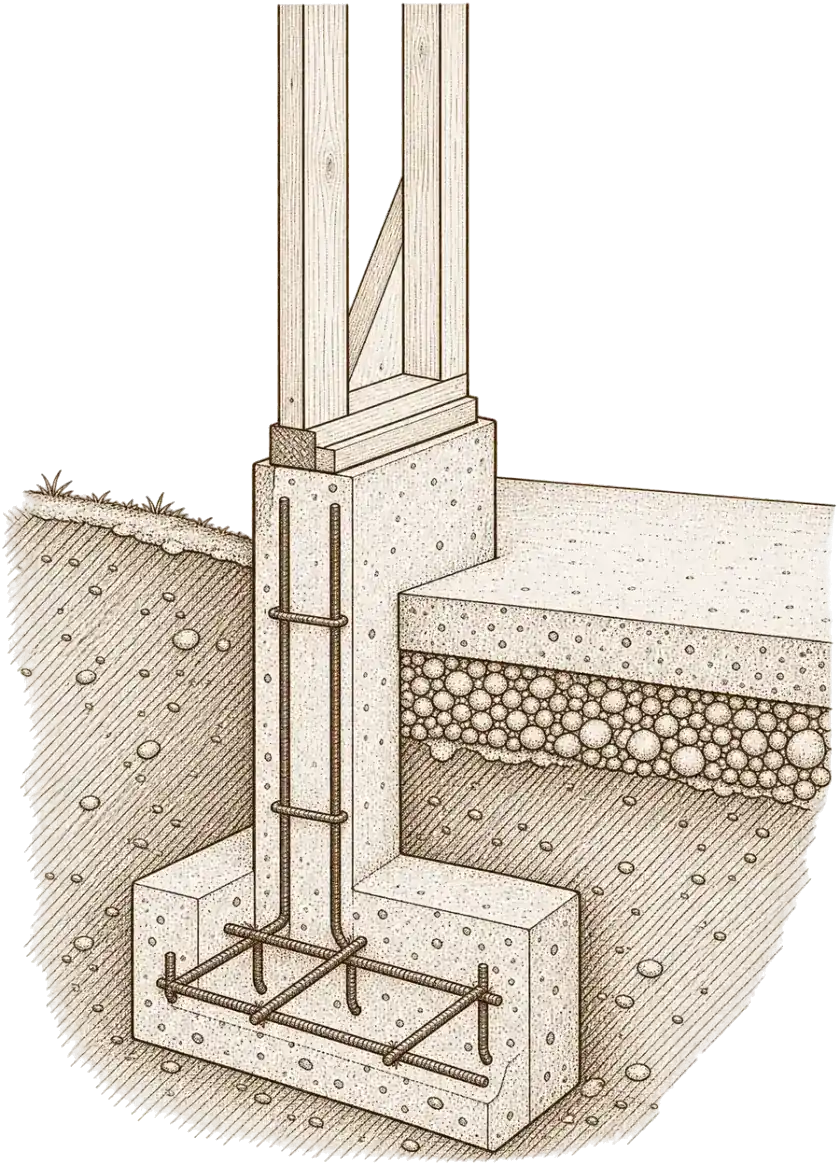
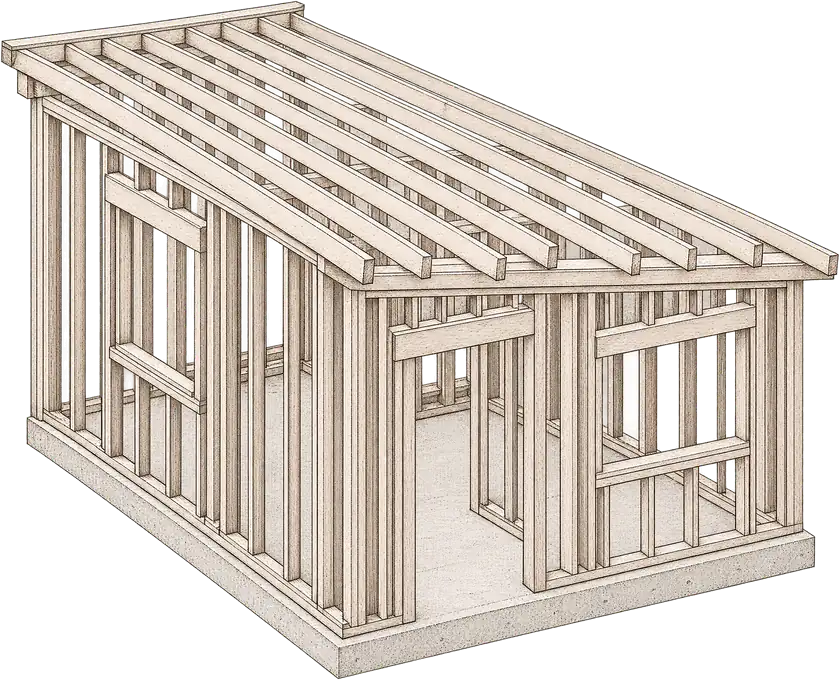
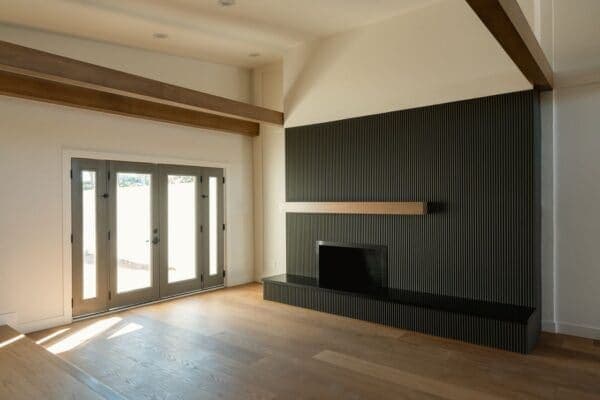
A long-lasting remodel starts with the structure. Before choosing finishes, understand what's happening behind walls, under floors and above ceilings: framing, subfloors, insulation, plumbing and electrical. New materials must suit the existing structure and systems so the remodel performs as one connected whole.
Kitchens
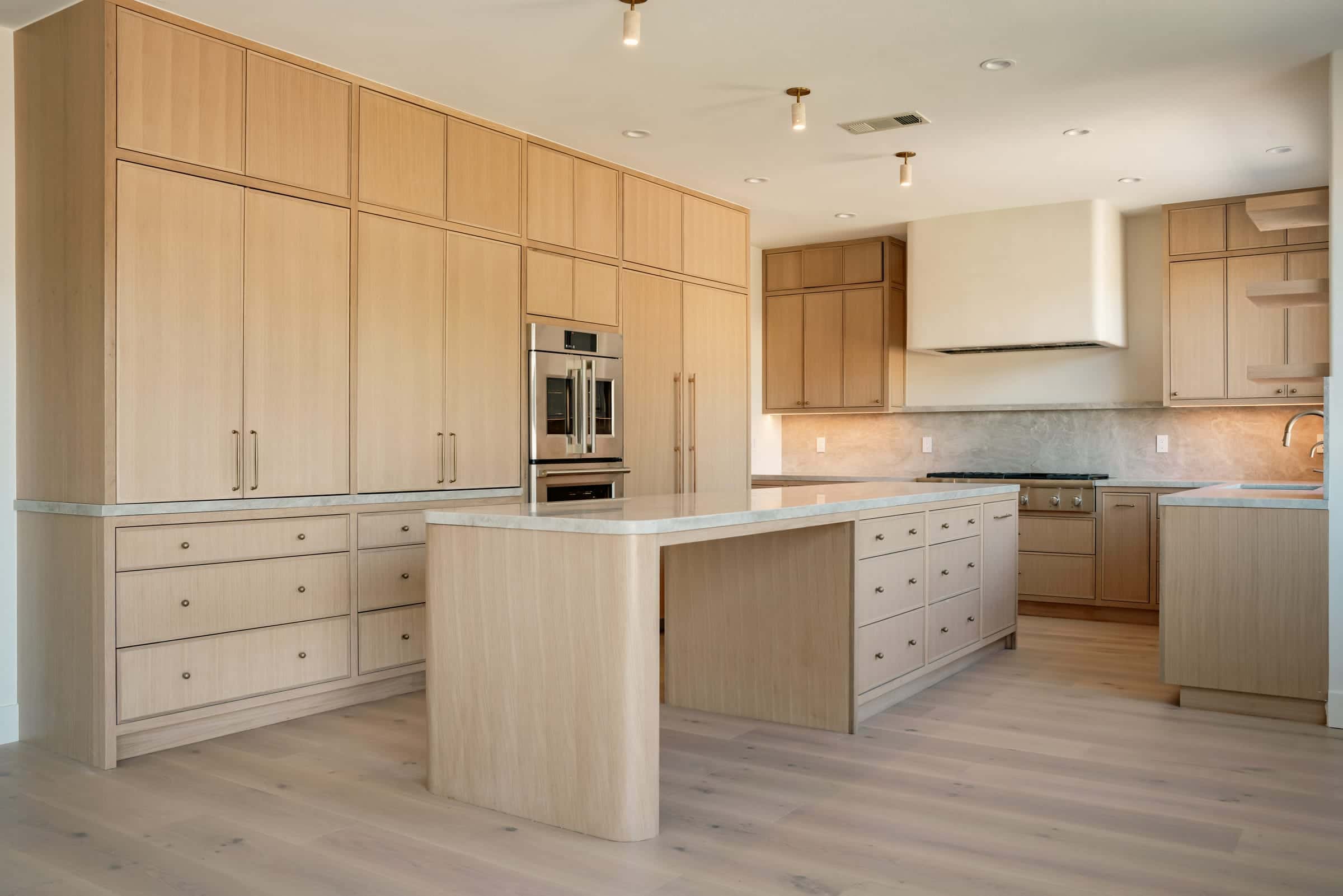
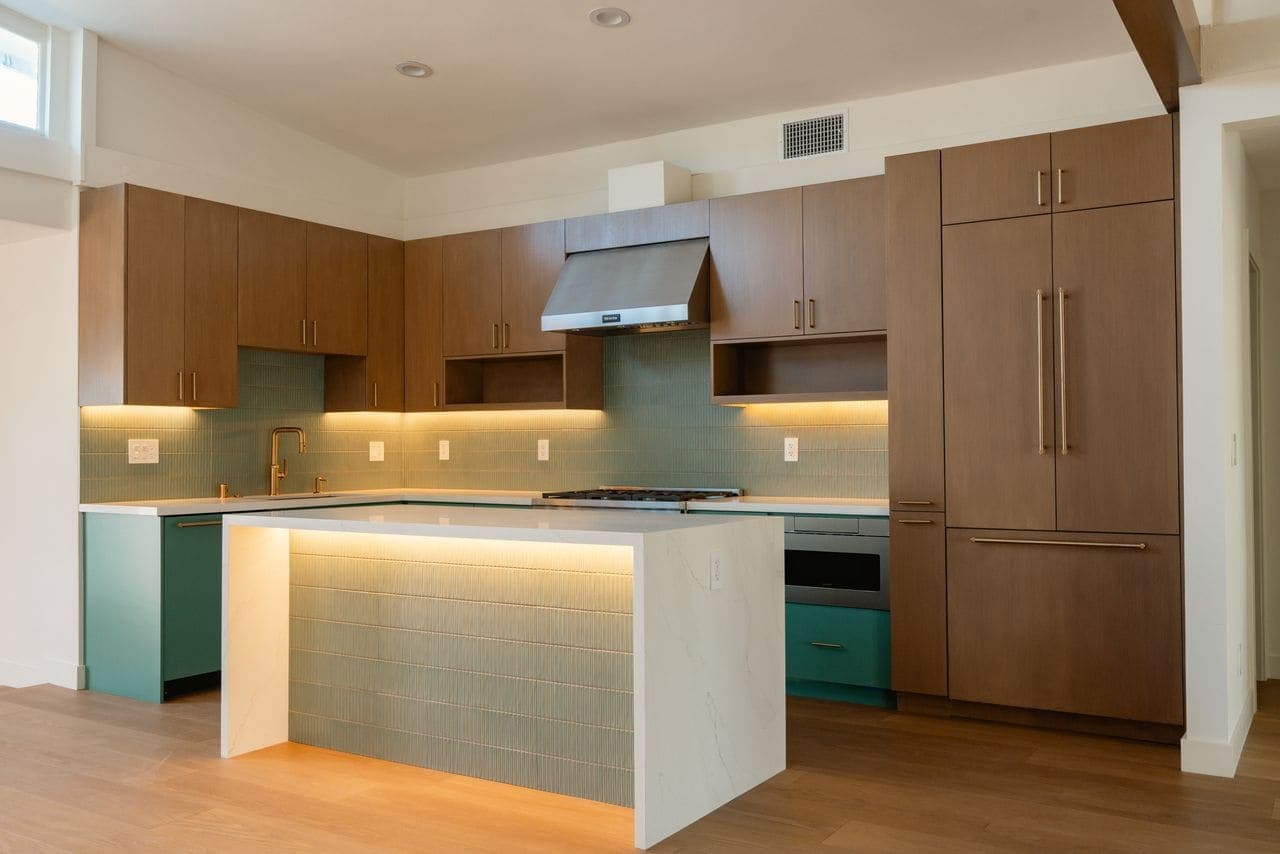
Kitchen materials face heat, moisture, spills, constant cleaning and heavy traffic. Durable choices include:
- Quartz counters, which are non-porous and stain-resistant
- Granite, which handles heat well when properly sealed
- Plywood or solid-wood cabinet boxes for strength and stability, with MDF doors for smooth painted finishes
- Porcelain tile, engineered hardwood or luxury vinyl plank flooring
- LED lighting and energy-efficient appliances
Countertops
Quartz, granite and solid surface are the longest-lasting common options. Quartz is low-maintenance and resists stains; granite offers natural character and heat resistance; solid surface is smooth and often easier to repair. Choose based on how hard the kitchen is used day to day.
Cabinetry
Plywood is strong, stable and preferred for quality cabinet boxes. Solid wood offers a classic look but may need more care. MDF suits painted doors. In bathrooms, moisture-resistant construction matters because steam and humidity damage weaker materials. Hinges, drawer slides and finishes should be built for constant use.
Bathrooms
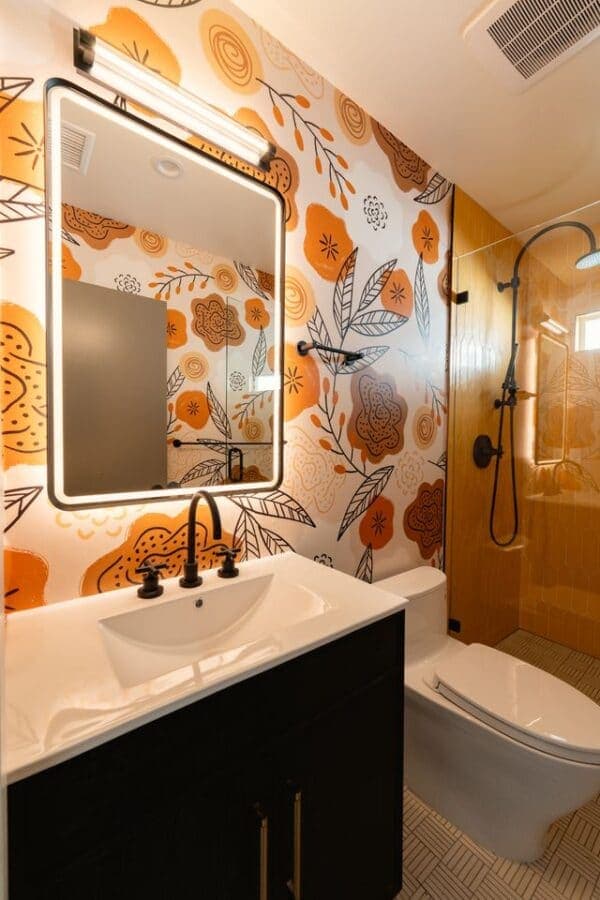
Durability in a bathroom starts with moisture management: proper waterproofing, ventilation, porcelain or ceramic tile, quartz vanity tops, moisture-resistant cabinetry and slip-resistant floors. Standard laminate, untreated wood and low-quality grout fail faster in wet rooms. Read more in our bathroom planning guide.
Flooring
Match flooring to traffic, moisture and maintenance. Hardwood offers long-term character in living spaces; engineered hardwood copes better with humidity changes; porcelain tile suits kitchens, baths and entries; luxury vinyl plank is practical for busy family areas; natural stone suits entries, baths and outdoor spaces. Our flooring guide covers each room.
Energy efficiency
Insulated windows, quality insulation, reflective roofing, LED lighting and efficient appliances improve comfort and reduce energy waste over the life of the home. On larger remodels these choices affect how every room feels once the work is done.
Sustainable materials
Sustainability and durability work best together. Reclaimed wood, cork, bamboo, recycled glass and steel can be excellent choices when they also suit the room's use and maintenance needs.
Whole-home consistency
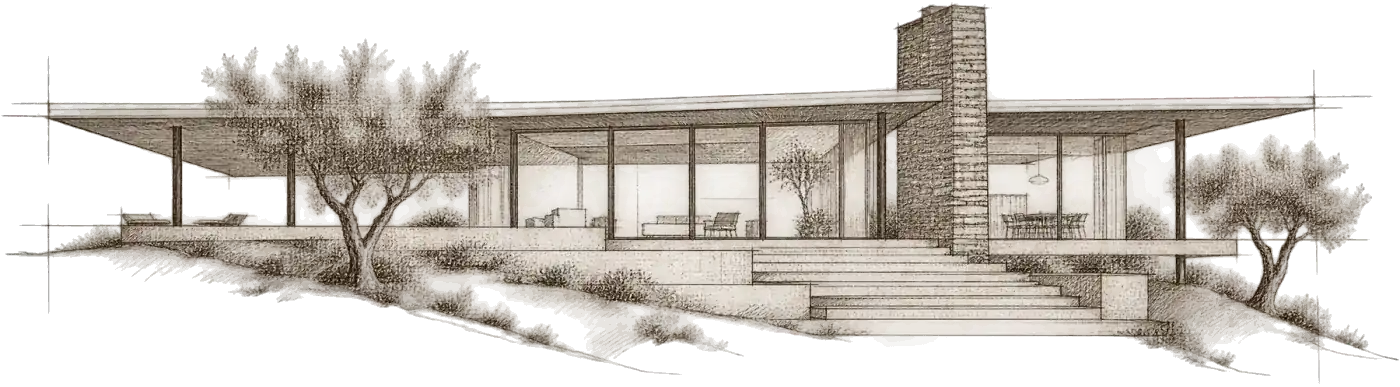
In a complete renovation, rooms should feel connected, but each still needs the right material for its function. A living room, bathroom and terrace rarely share the same finishes. A coherent palette, adapted room by room, gives the home both unity and resilience. See our complete home remodels.
ADUs and additions
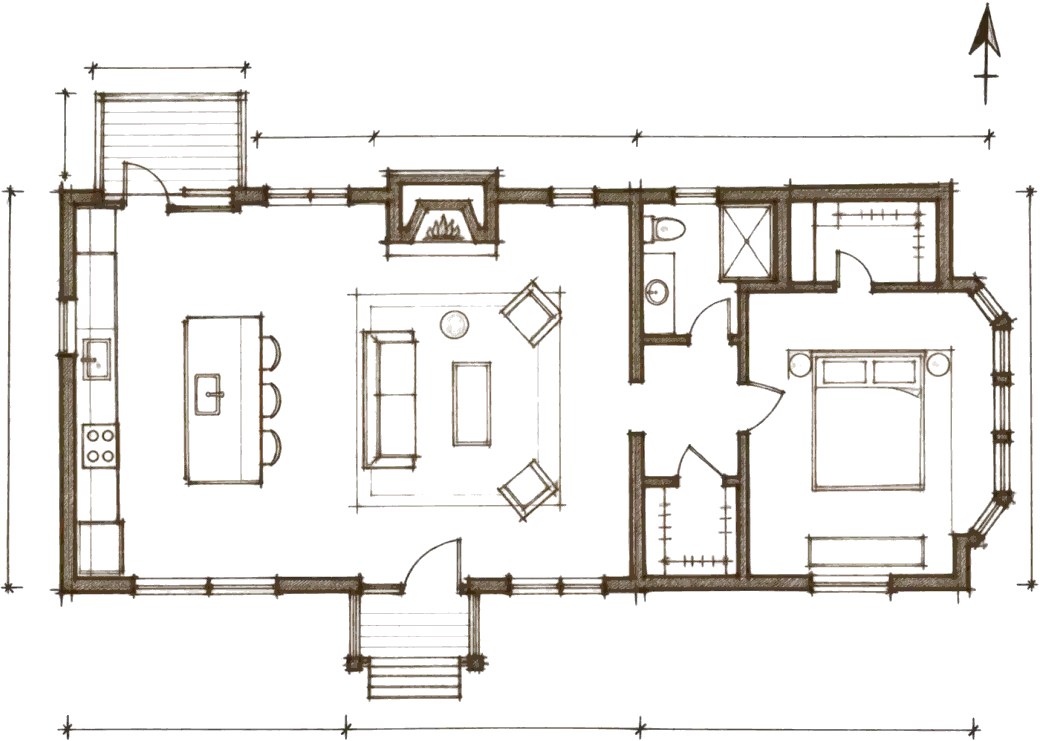
An ADU or addition serves daily living for guests, family or tenants, so materials should be low-maintenance and long-lasting: luxury vinyl plank or engineered wood floors, quartz counters, moisture-resistant bathroom finishes, efficient windows and quality insulation.
Outdoor spaces
Patios, decks, pergolas and outdoor kitchens need materials built for sun and weather: composite decking, concrete, natural stone, exterior-rated tile, fiber cement siding, treated lumber, brick and steel. In Los Angeles, where outdoor rooms are used much of the year, durability matters as much as design. Explore our outdoor living work.
Cost versus long-term value
The least expensive material up front is often not the best value. A quartz counter may cost more than laminate but resist stains and moisture far better; plywood cabinet boxes outlast particleboard; porcelain tile rewards skilled installation with years of performance. Balance cost, lifespan, maintenance and performance.
Mistakes to avoid
- Choosing by appearance alone
- Ignoring moisture in baths, laundry rooms and kitchens
- Using interior products outdoors
- Overlooking maintenance requirements
- Skipping physical samples, since color and texture often differ from photos
Installation quality
Even the strongest materials fail when installed poorly. Uneven substrates, missing waterproofing and rushed work lead to cracks, gaps and water damage. Durable materials need skilled installation to perform as intended.
Choose materials with us
We help Los Angeles homeowners select materials that suit each room, the climate and the budget, then install them to last. Contact us to discuss your remodel.
General information only, not legal advice. Building codes, zoning and permit rules change and vary by property; we confirm the current requirements for your home during design. Any schedule or timeline we discuss is an estimate. The actual timeline depends on the final scope of work, design decisions, permits and inspections, and material availability.
All articles