

By Dolev Popovich, Founder & CEO
Published · Updated
In a whole-home remodel, flooring is one of the few things that touches every room at once. The best choice for each space depends on how it's used, moisture, foot traffic, comfort, maintenance and design, and on how well it's installed. In Los Angeles, needs vary from coastal homes in Manhattan Beach and Santa Monica to open-plan houses in Brentwood.
We plan flooring alongside cabinetry, lighting, tile, paint and layout, so it supports the whole house rather than being chosen room by room in isolation. On our Ceilhunt Ave. renovation and addition, herringbone wood flooring runs through the main living areas; at Beachwood Canyon, cork was chosen for its acoustic performance, warmth and durability. Choosing on appearance alone often leads to early wear and maintenance problems.
Start with how each room is used
Kitchens and bathrooms need moisture resistance. Bedrooms prioritize comfort and warmth. Hallways and entries need durability for constant traffic. Coastal homes benefit from materials that handle humidity, and households with children or pets need scratch-resistant, easy-to-clean surfaces. The right floor is the one that matches how the space functions every day.
Kitchens
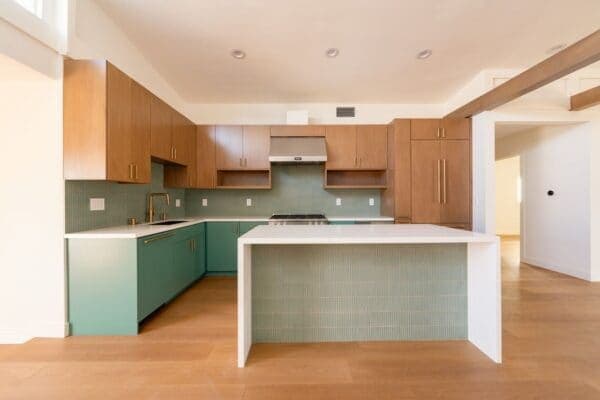
Kitchens handle spills, steam, dropped pans and heavy traffic, so flooring should resist moisture, stains and scratches and be easy to clean. Strong options include:
- Porcelain or ceramic tile
- Luxury vinyl plank or tile
- Engineered wood
Tile is highly durable and handles water well. Luxury vinyl combines durability with easy maintenance. Engineered wood brings warmth where a softer look is wanted.
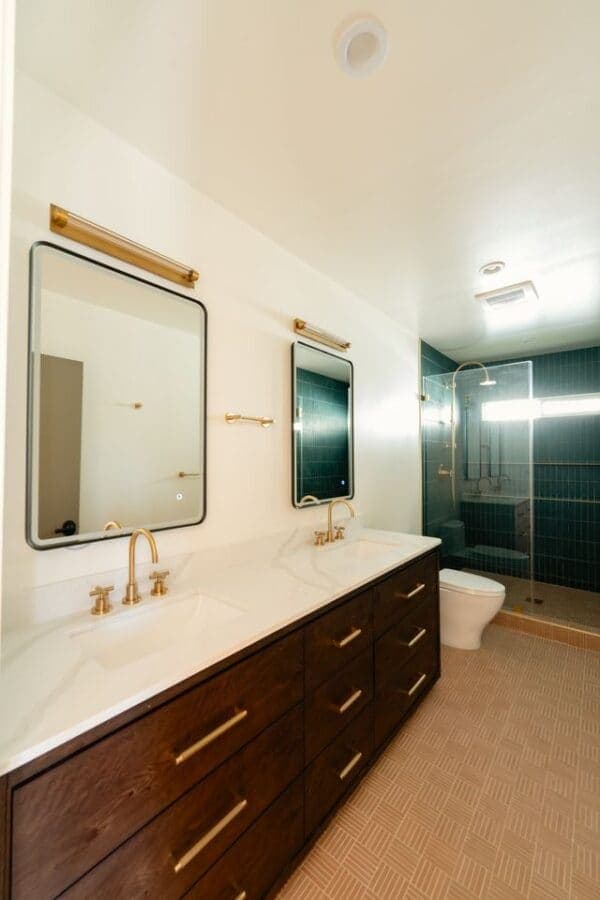
Bathrooms and laundry rooms
These are wet rooms. Flooring should be waterproof or highly moisture-resistant, slip-resistant and easy to clean. Porcelain and ceramic tile and luxury vinyl tile are the strongest choices. Traditional hardwood and standard laminate are poorly suited, since water exposure leads to swelling, mold and costly repairs.
Living rooms
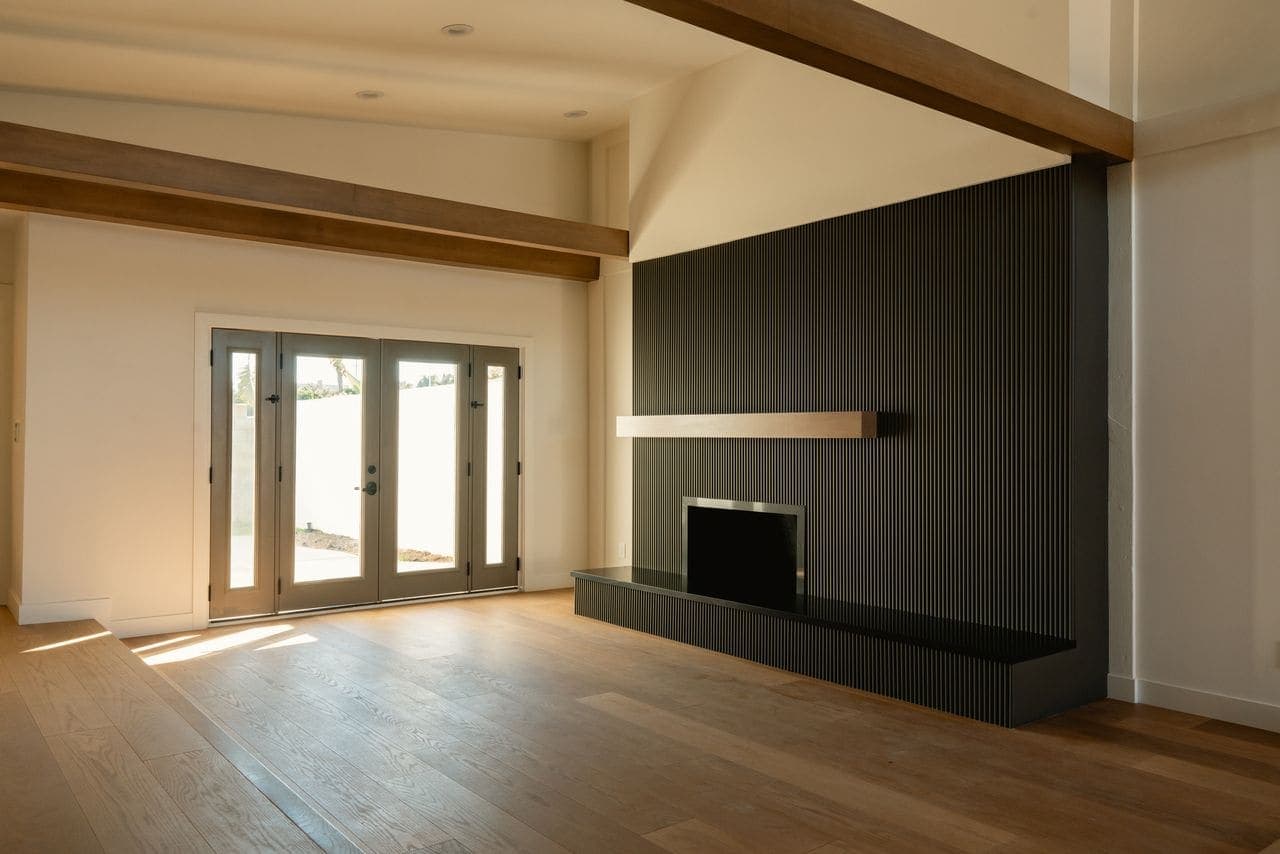
Living areas need warmth and comfort that can still handle furniture, traffic and the occasional spill. Hardwood remains a timeless choice. Engineered wood offers a similar look with better stability through changes in temperature and humidity. For families with pets, scratch-resistant luxury vinyl is a practical alternative. Consistent flooring across living, dining and kitchen areas creates calm, continuous sightlines.
Hallways and entries
These spaces see the most dirt, moisture and wear. Porcelain tile, engineered wood, luxury vinyl plank and natural stone all perform well. Because the entry sets the first impression, its flooring should flow naturally into the main living areas.
Bedrooms and children's rooms
Bedrooms should feel quiet and comfortable. Carpet adds softness and absorbs sound; hardwood and engineered wood feel cleaner and more contemporary while staying warm. Cork is another comfortable option. In children's rooms, durable, stain-resistant surfaces such as luxury vinyl, with rugs or carpet for softness, adapt well as the room changes over the years.
Home offices
A home office benefits from comfortable, sound-conscious flooring that looks polished on camera and with visitors. Engineered or solid wood and luxury vinyl plank work well; carpet or area rugs help with acoustics during calls.
ADUs and additions
ADUs and additions need flooring that is durable, versatile and easy to maintain for independent daily living. Luxury vinyl, engineered wood and tile are common choices because they balance upkeep, durability and appearance. In an addition, matching or thoughtfully transitioning from existing floors helps the new space feel original to the house. See our ADU service.
Outdoor living spaces
Patios, decks and outdoor kitchens need surfaces that handle sun, weather and regular use while staying safe underfoot. Concrete finishes, natural stone, exterior-rated tile, composite decking and natural wood decking are all strong options. Where possible, outdoor surfaces should relate visually to the interior so indoor and outdoor rooms read as one. Explore our backyard and outdoor living work.
Why installation matters
Even excellent flooring fails when installed poorly. Proper subfloor preparation, moisture protection, expansion allowances and careful transitions determine how a floor looks and performs for years. Professional installation reduces the risk of uneven surfaces, water damage and early failure.
Frequently asked questions
What flooring works best in high-traffic areas?
Porcelain tile, luxury vinyl plank, engineered wood and quality laminate are durable, scratch-resistant and easy to maintain in hallways and entries.
What is the easiest flooring to maintain?
Luxury vinyl and tile resist stains, moisture and scratches and need minimal daily care.
Should I use the same flooring throughout the home?
Consistent flooring in open living areas creates better visual flow, while bathrooms, laundry rooms and outdoor areas usually need different materials for moisture and durability.
What flooring suits Los Angeles homes?
Indoor-outdoor living, coastal humidity in some neighborhoods and heavy daily use make durable, moisture-tolerant materials such as engineered wood, luxury vinyl and tile common choices.
Plan your flooring with us
Flooring is planned as part of every complete home remodel, addition and new home we build. Contact us to plan materials that suit each room and the way you live.
General information only, not legal advice. Building codes, zoning and permit rules change and vary by property; we confirm the current requirements for your home during design. Any schedule or timeline we discuss is an estimate. The actual timeline depends on the final scope of work, design decisions, permits and inspections, and material availability.
All articles