
By Dolev Popovich, Founder & CEO
Published · Updated
Choosing a builder is the decision that shapes every other part of a remodel. The right contractor brings order to design, permits, trades and budget. The wrong one can turn a good plan into delays, surprise costs and unfinished work. Here is how we'd suggest evaluating anyone you're considering, including us.
Why a professional contractor matters
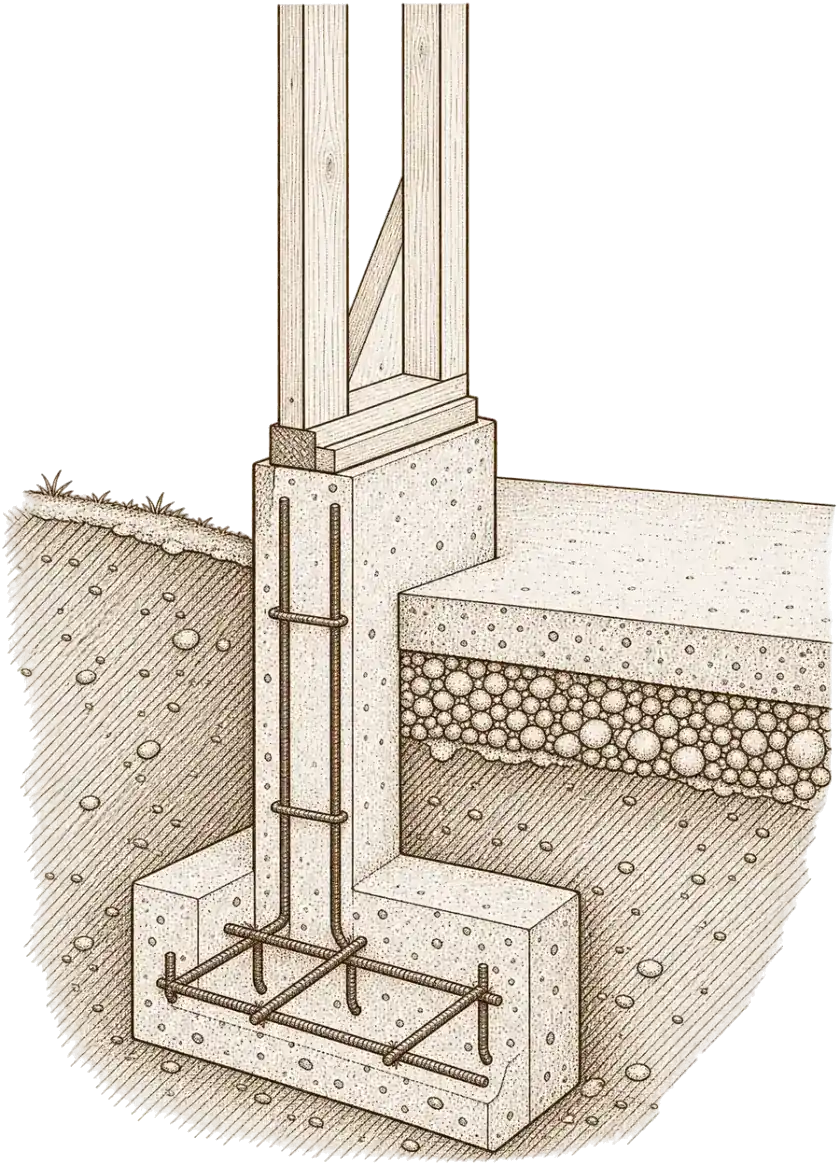
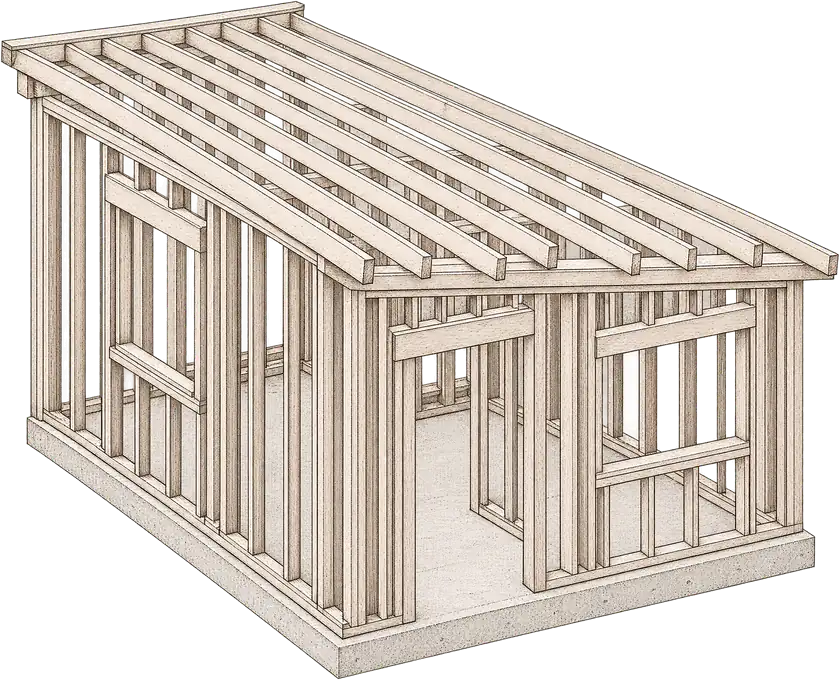
A major remodel involves structural work, plumbing, electrical, inspections and a long list of trades working in sequence. A qualified general contractor coordinates that sequence, understands the codes, manages permits, carries insurance and is accountable for the result. It's also why work involving plumbing, electrical or structural changes shouldn't be approached as a do-it-yourself project.
Why local experience matters in Los Angeles
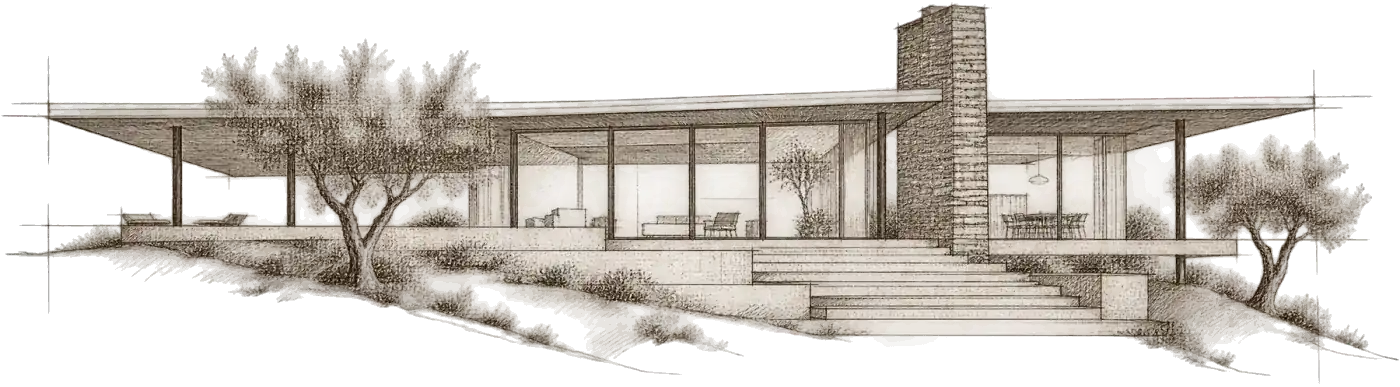
Los Angeles homes vary enormously: Spanish Revival and Craftsman houses, mid-century hillside homes, coastal properties in Santa Monica and Manhattan Beach. A contractor who works here regularly understands LADBS and neighboring city requirements, hillside and access constraints, and the architectural character of each neighborhood. A local team is also easier to reach when a decision is needed on site.
Define your project before you call anyone
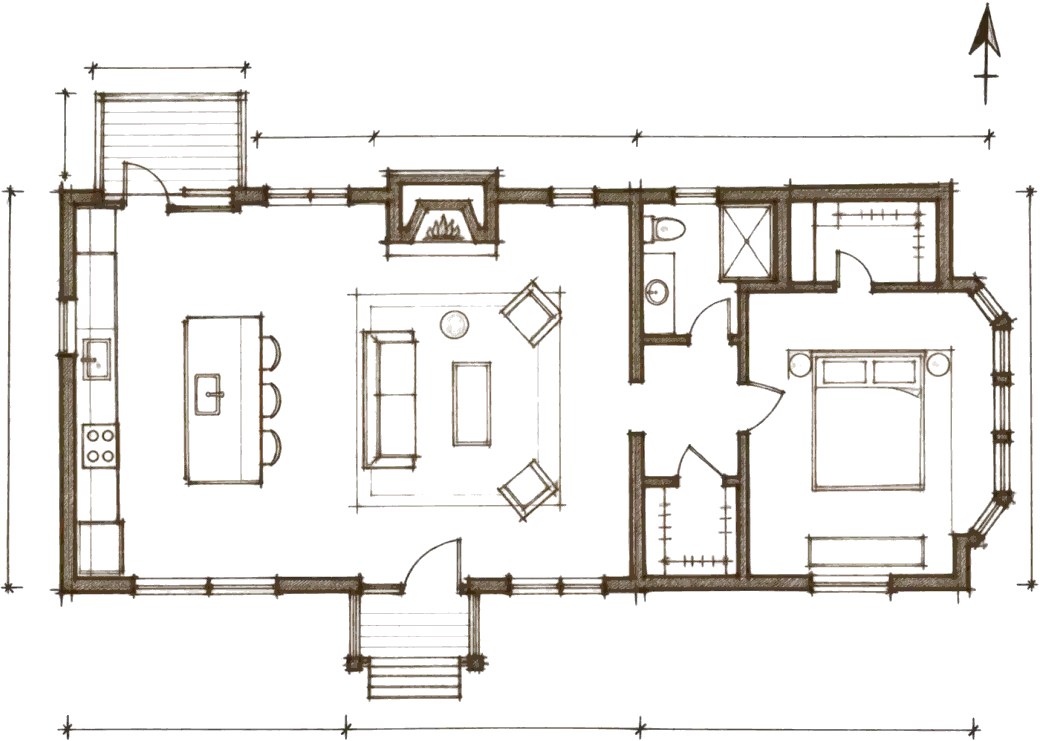
List the rooms and systems involved, separate essentials from wish-list items, and note your budget range and ideal timing. Collect images of finishes and styles you like, and mention any architecture you want to preserve. When every contractor prices the same scope, bids become genuinely comparable. Our remodel planning guide walks through this step.

Build a shortlist
Start with referrals from neighbors, friends and design professionals who have completed similar work. Read reviews across several platforms and look for patterns in communication, budget control and finish quality rather than reacting to a single comment. Narrow the list to three to five firms whose completed work resembles your project in type and level of finish.
Verify license and insurance
Look up every contractor on the California Contractors State License Board (CSLB) website. Confirm the license is active, and review the bond and any disciplinary history. Ask for current certificates of liability insurance and workers' compensation coverage. A reputable builder provides these without hesitation.
Check references and past work
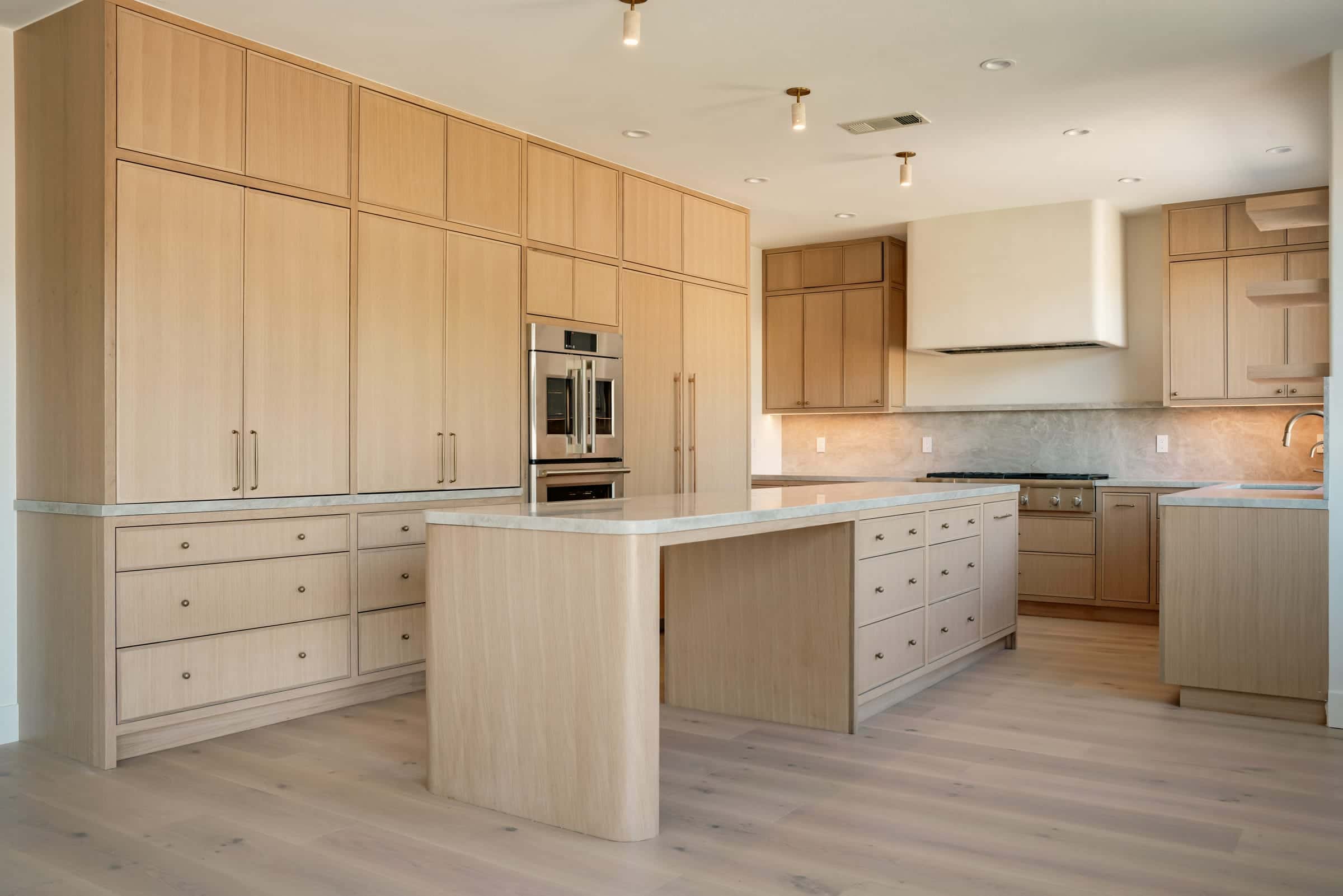
Ask for recent references from projects similar to yours, and ask those homeowners whether the work stayed close to budget and schedule and how problems were handled. Study finished work closely: tile lines, cabinet alignment, trim and paint. If you can, visit an active site and notice how organized, clean and safe it is.
Questions to ask at the interview
- Who supervises the site day to day, and who is my main point of contact?
- Which trades are in-house and which are subcontracted?
- Who handles permits, inspections and engineering?
- Who orders materials, and how are delivery delays managed?
- How are change orders priced, approved and documented?
- How often will I receive written updates?
- What warranty do you provide, and what does it cover?
A design-build firm that manages design coordination, permits and construction under one team closes the gaps that tend to open between separate designers and builders.
Compare bids line by line
The lowest number is rarely the least expensive outcome. Compare what each proposal actually includes: materials and allowances, labor, permits, site supervision, cleanup and exclusions. A vague or unusually low bid often leaves out work that returns later as change orders. The strongest estimate is the one that explains the work clearly.
Read the contract before you sign
The agreement should define the scope, materials, schedule targets, a payment schedule tied to completed milestones, permit responsibilities, the change-order process, warranty terms, and how the final walkthrough and punch list will be handled. If something was promised in conversation, it belongs in writing.
Red flags
- No active license, proof of insurance or recent references
- Pressure to sign before the scope has been fully explained
- Large upfront payment requests
- Vague bids without line items or exclusions
- Firm promises on cost or completion before the home has been properly reviewed
- Slow or unclear communication during bidding, which rarely improves once work begins
A short checklist
Before you decide, confirm: an active CSLB license, insurance and bond; relevant Los Angeles experience; references you have actually called; bids compared on the same scope; a contract that covers payments, changes and warranty; and a named point of contact for the life of the project.

Talk to us
RODO Development Inc. is a licensed California general contractor (CSLB #1100805) based in Woodland Hills, building complete home remodels, additions, ADUs and custom homes across Los Angeles. Contact us to discuss your project and request a detailed, line-item proposal.
General information only, not legal advice. Building codes, zoning and permit rules change and vary by property; we confirm the current requirements for your home during design. Any schedule or timeline we discuss is an estimate. The actual timeline depends on the final scope of work, design decisions, permits and inspections, and material availability.
All articles