

By Dolev Popovich, Founder & CEO
Published · Updated
A home can have new floors, fresh paint and a better layout, and still feel unfinished if the lighting is wrong. Lighting changes how large a room feels, how comfortable it is through the day, and how well it works. That's why we treat it as part of the plan from the start, never as an afterthought.
Why lighting matters in Los Angeles homes
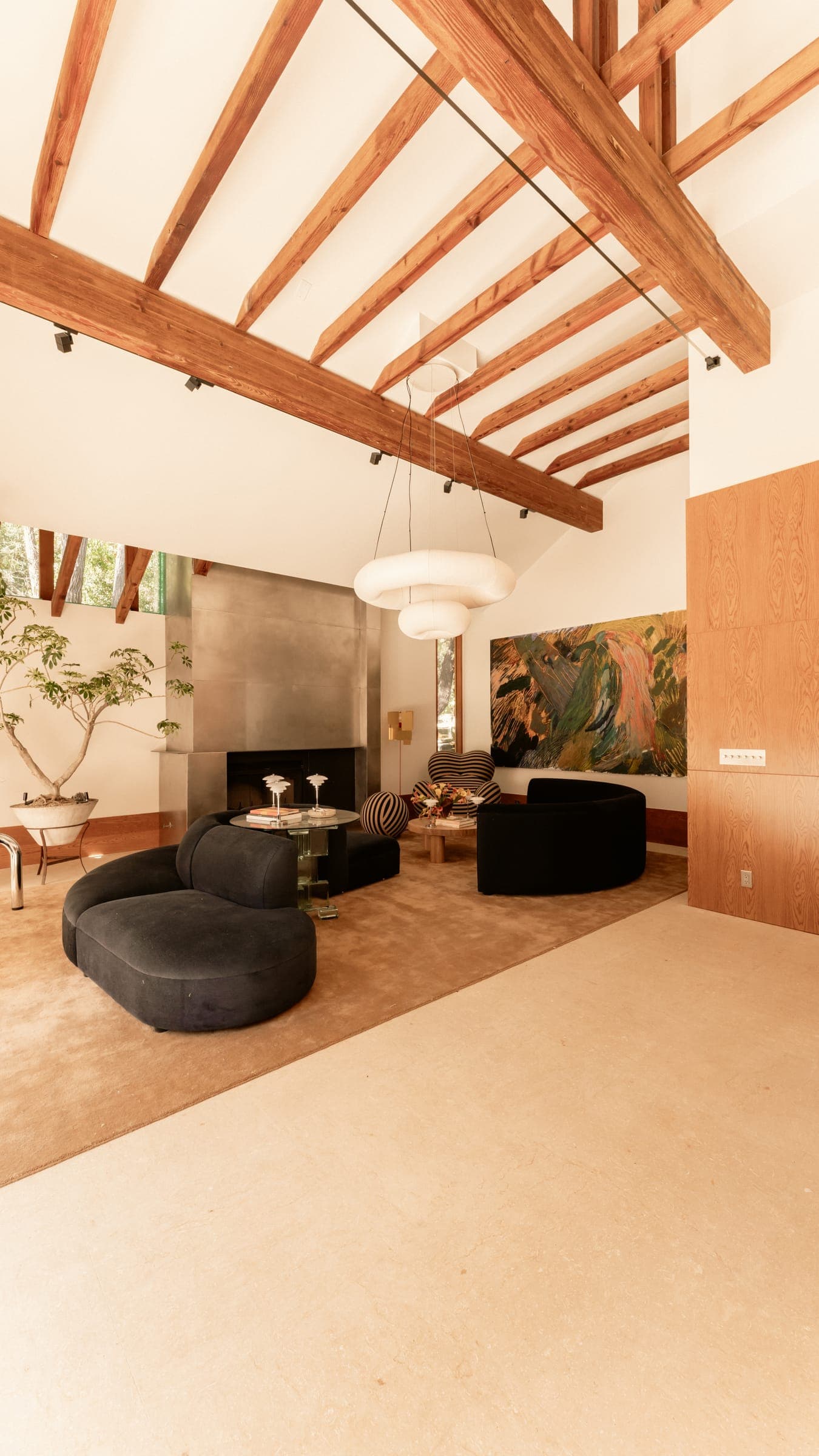
Many Los Angeles homes receive uneven daylight, particularly where houses sit close together or older layouts are closed off. Good lighting balances natural light with layered interior light so every part of the home feels connected and usable. A larger home in Brentwood may need layered lighting to avoid dark zones, while a compact home in Culver City benefits from careful placement that makes rooms feel bigger.
The right light for each room
Each room has a purpose, and lighting should follow it. A mix of ambient, task and accent lighting creates balance.
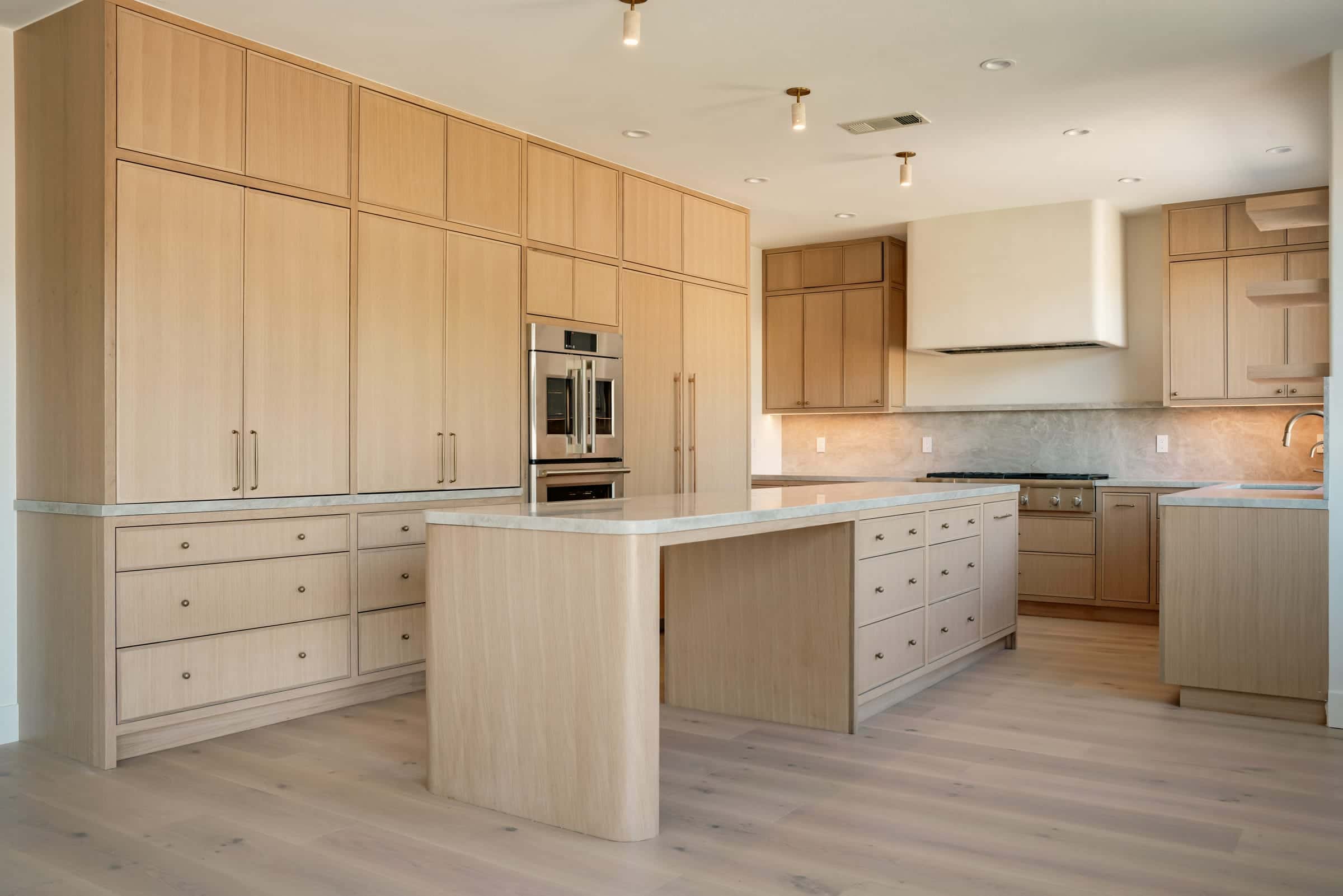
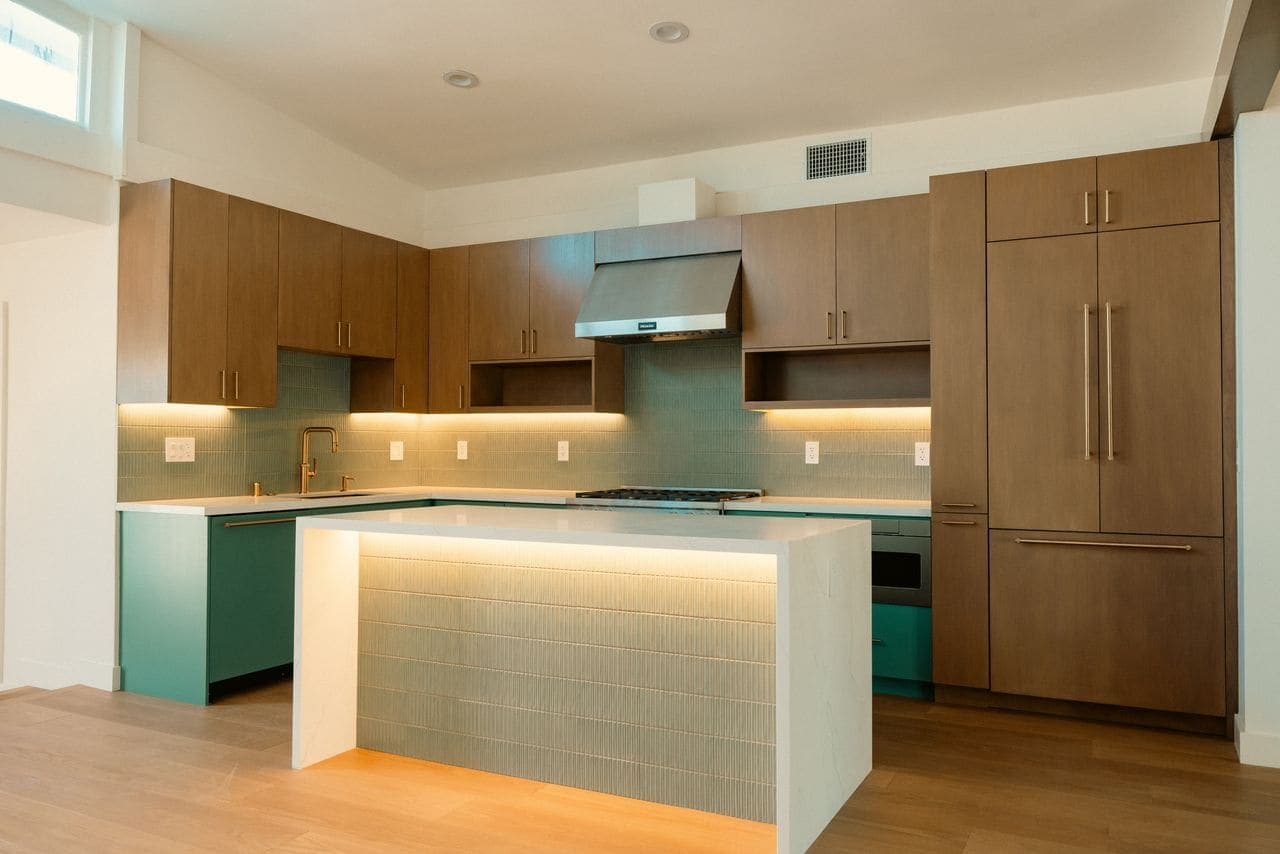
- Kitchens: overhead light plus under-cabinet task lighting for clear, shadow-free work surfaces.
- Living rooms: softer, layered light that supports both relaxing and entertaining.
- Bedrooms: adjustable, dimmable lighting for rest and daily routines.
- Bathrooms: even, focused light at the mirror for grooming.
- Hallways: simple recessed fixtures that keep the space clean and open.
Placement matters as much as fixtures
Poorly placed lights cause shadows, glare and uneven rooms. In open-plan homes, lighting can define zones for cooking, dining and lounging without adding walls. Consider how daylight moves through the house, so the home feels consistent from morning to night. Outdoor areas deserve the same care: patios, decks and gardens are used year-round here, and good lighting extends their use into the evening while improving safety.
Upgrade lighting during a renovation
A renovation is the best time to improve lighting. With walls and ceilings open, rewiring, adding circuits and relocating switches and fixtures is far simpler, so the system is built correctly from the start rather than patched later. Many homeowners add LED fixtures and smart controls at this stage.
Energy-efficient lighting
Modern LED lighting uses less electricity, lasts longer and offers precise control over brightness and color temperature. It lowers operating and maintenance costs while letting each room's atmosphere be tuned to its use.
Frequently asked questions
How do I choose fixtures for a renovation?
Consider room size, ceiling height and daily use, and combine ambient and task lighting. A layered plan keeps the design clean while improving function.
What is the difference between ambient, task and accent lighting?
Ambient lighting provides overall illumination, task lighting focuses on specific activities, and accent lighting highlights architecture or art. Used together, they create balance and comfort.
Can lighting make a small room feel larger?
Yes. Even, well-distributed light reduces shadows and improves how a space is perceived, helping smaller rooms feel more open without structural change.
Should a professional install lighting?
Yes. Licensed electricians and an experienced contractor ensure correct wiring, placement and code compliance.
Plan your lighting with us
Lighting design is part of every complete home remodel we build, along with additions, ADUs and outdoor spaces. Contact us to plan lighting that makes your home feel complete.
General information only, not legal advice. Building codes, zoning and permit rules change and vary by property; we confirm the current requirements for your home during design. Any schedule or timeline we discuss is an estimate. The actual timeline depends on the final scope of work, design decisions, permits and inspections, and material availability.
All articles